10 Honey Facts That Make It One of the Strangest Foods on Earth
Honey looks almost boring sitting in a plastic bear on the kitchen shelf. Then you find out bees make it by repeatedly swallowing and regurgitating flower nectar.

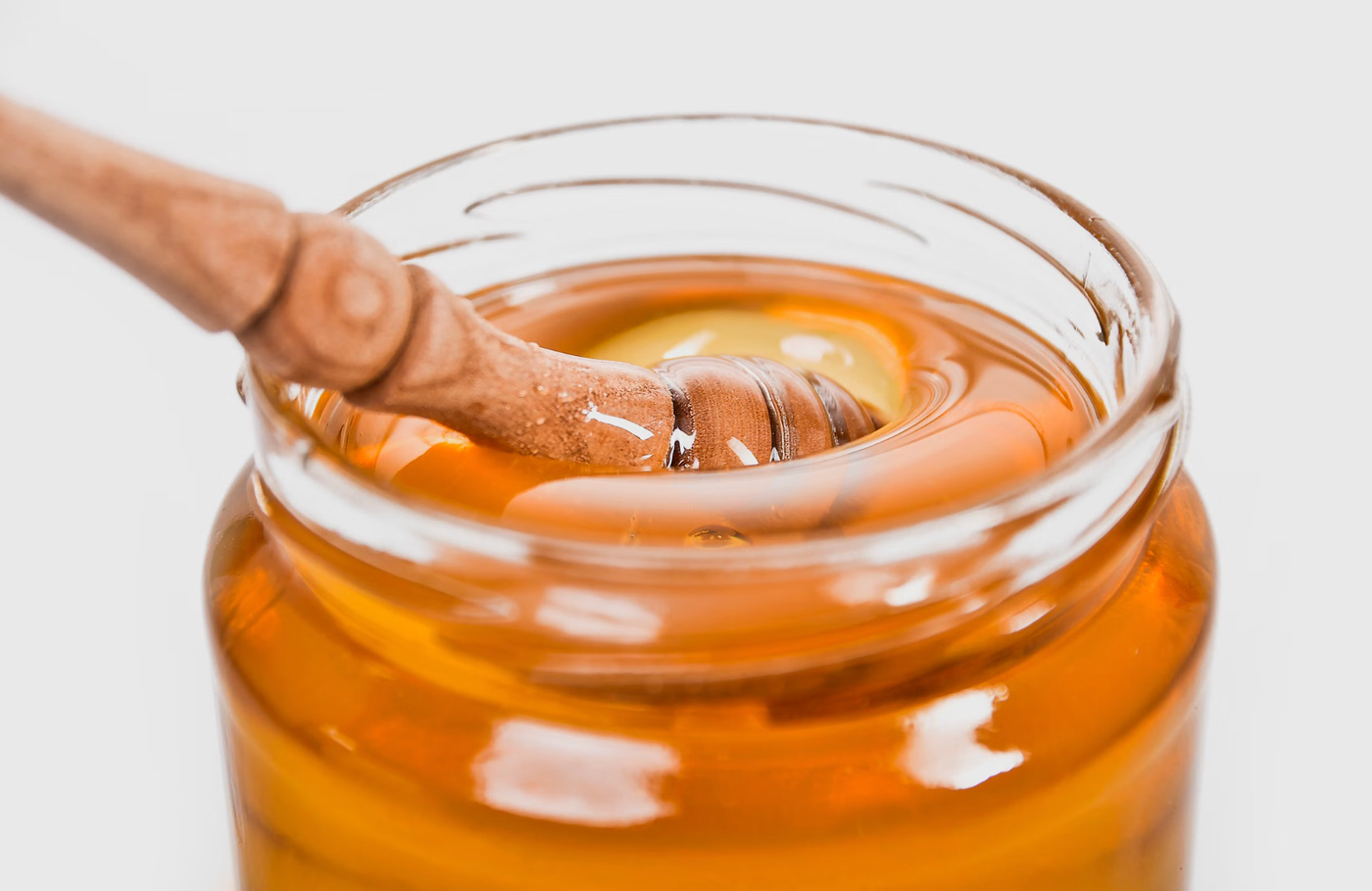
Honey looks almost boring sitting in a plastic bear on the kitchen shelf. Then you find out bees make it by repeatedly swallowing and regurgitating flower nectar, humans have eaten samples thousands of years old, and one type can actually make you sick. That little squeeze bottle gets weird fast.
The Stuff in Your Cupboard Is Already Weird
1. Honey can stay edible for an absurdly long time
Archaeologists have found ancient honey in Egyptian tombs, and the reason it lasts so well comes down to chemistry. Honey contains very little available water, has an acidic pH, and naturally produces small amounts of hydrogen peroxide. That combination makes life miserable for most microbes. Keep honey sealed and dry, and it can remain stable for an astonishingly long time. If yours crystallizes after a year, don't panic. That's usually a texture change, not spoilage.
2. Bees basically dehydrate nectar with their wings
A flower's nectar starts out far too watery to qualify as honey. Worker bees collect it, process it with enzymes, and pass it between bees before depositing it inside honeycomb cells. Then comes the odd part: bees fan their wings across the hive to move air over the nectar and evaporate excess water. Once it's concentrated enough, they seal the cell with wax. Your toast topping has effectively gone through a tiny bee-powered drying system.
3. One bee produces a ridiculously small amount
A worker honeybee may produce only around one-twelfth of a teaspoon of honey during her entire life. That means the spoonful you stir into tea represents the combined work of a lot of insects. And they don't stay close to home while doing it. Foraging bees can travel miles from the hive searching for useful flowers, repeatedly returning with loads of nectar. A jar looks simple. The flight mileage behind it definitely isn't.
Honey Gets Stranger Once Chemistry Takes Over
4. Crystallized honey hasn't gone bad
That grainy jar in the back of your cupboard probably doesn't belong in the bin. Honey contains lots of glucose and fructose, and glucose can separate from the water and form crystals over time. Some varieties crystallize much faster than others because their sugar ratios differ. You can usually turn it runny again by gently warming the container in warm water. In fact, crystallization can be a perfectly normal sign that your honey hasn't received heavy processing.
5. Honey comes in colors that barely look like honey
Forget the familiar golden squeeze bottle. Depending on the flowers bees visit, honey can range from nearly transparent to dark brown, with flavors that shift just as dramatically. Buckwheat honey can look almost like molasses and taste earthy and malty, while acacia honey tends to stay pale and mild. There are even honeys with bitter, smoky, herbal, or slightly medicinal notes. Bees don't follow recipes. Their local flowers write the flavor profile for them.
6. Honey can kill bacteria while sitting on a wound
Humans have put honey on wounds for thousands of years, and modern medicine hasn't completely abandoned the idea. Certain medical-grade honeys create conditions that make bacterial growth difficult, thanks partly to their high sugar concentration, acidity, and antimicrobial compounds. Hospitals and clinics can use specially prepared honey dressings for particular wounds and burns. Don't grab breakfast honey and smear it on a cut, though. Medical-grade products get sterilized and standardized specifically for clinical use.
Some Honey Comes With a Warning Label
7. Babies under one shouldn't eat it
Honey's long shelf life doesn't make it risk-free for everyone. It can contain spores of Clostridium botulinum, a bacterium that may cause infant botulism when those spores grow inside a baby's immature digestive system. That's why health authorities advise against giving honey to children younger than 12 months, even in cooked foods. Adults and older children usually handle those spores without trouble. So one of nature's most durable foods still comes with a very specific age restriction.
8. Some honey can make you dizzy, sick, or worse
“Mad honey” sounds like something invented for a fantasy novel, but it's real. Bees in places including Turkey and Nepal can collect nectar from certain rhododendrons containing grayanotoxins. Those chemicals survive in the resulting honey and can cause nausea, dizziness, low blood pressure, abnormal heart rhythms, and other symptoms when someone eats enough. People have intentionally consumed mad honey for traditional or recreational reasons. Regular supermarket honey won't give you that experience, which is probably for the best.
9. Honey can contain clues about where it came from
A jar of honey can carry microscopic evidence of the landscape where bees foraged. Pollen grains trapped inside may reveal which plants the bees visited, and specialists can examine that pollen to help investigate a honey's botanical or geographic origin. Scientists even have a name for studying pollen and spores: palynology. So honey isn't merely something bees manufacture from a landscape. It can arrive with tiny botanical fingerprints from that landscape still floating inside it.
And Bees Aren't the Only Ones Making It
10. Honeybees don't have a monopoly on honey
When you picture honey, you probably picture the familiar European honeybee, Apis mellifera. But other insects produce honey-like food too. Stingless bees in tropical regions store distinctive honey that often contains more water and tastes noticeably tangier than typical honeybee honey. Some bumblebees also store small quantities of nectar, although nowhere near the commercial volumes people expect from honeybees. Humans built a huge industry around one producer, but nature has several versions of the idea.
Honey starts with flowers and ends up as a food that can crystallize, preserve itself for ages, carry microscopic pollen clues, fight microbes, and occasionally poison the person eating it. Share this with someone who'll never look at that sticky bear-shaped bottle quite the same way again.

Ira kapoor
Author at SofaBreak — writing on facts and everyday curiosities.