How to Build a Podcast Listening Habit That Actually Sticks
You find a podcast that sounds perfect, save three episodes, listen for 12 minutes, then forget it exists for two weeks

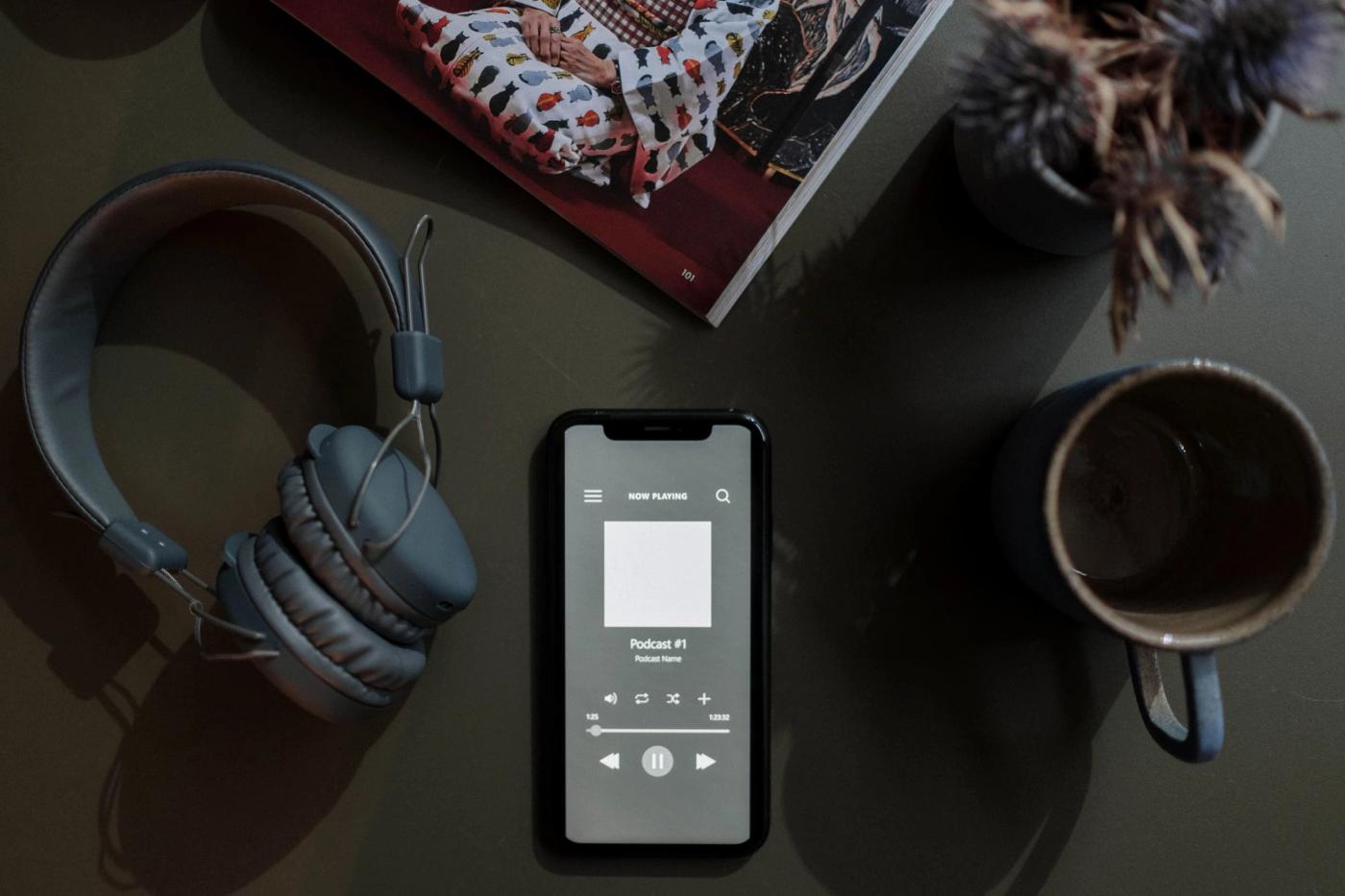
You find a podcast that sounds perfect, save three episodes, listen for 12 minutes, then forget it exists for two weeks. The problem usually isn't finding something worth hearing. It's making listening easy enough to fit into a day that's already full.
1. Pick One Moment You Already Repeat Every Day
Don't start by trying to “find time” for podcasts. Attach listening to something you already do without thinking, such as commuting, making breakfast, walking the dog, folding laundry, or getting ready for work.
Choose one activity that lasts at least 15 minutes and happens at roughly the same time most days. Your goal is to create a simple trigger: when you start that activity, you press play. If your schedule changes constantly, use an event instead of a clock time, such as “when I get on the train” rather than “at 8:15 a.m.”
2. Start With One Podcast, Not a Packed Library
A beginner mistake happens before you even press play: you subscribe to 14 shows because they all sound interesting. Then you open your podcast app, see 47 unheard episodes, can't decide what to choose, and put on music instead.
Pick one show with a format you can understand immediately. For your first week, queue three episodes that match topics you already care about rather than starting automatically with episode one. If the show covers movies, for example, choose an episode about a film you've seen instead of a random discussion from four years ago.
Give each episode 10 minutes to earn your attention. If you're bored after that, stop and try another one. Building a habit around content you don't enjoy is an excellent way to kill the habit.
3. Make Pressing Play Almost Effortless
This is the step that matters most because tiny bits of friction become surprisingly convincing excuses when you're tired or busy. Set up your listening before the moment arrives.
Download your next episode in advance so weak mobile signal can't interrupt you. Put your podcast app somewhere obvious on your phone's home screen, and keep one or two episodes in your queue rather than forcing yourself to browse every time. If you listen through headphones, charge them and keep them beside whatever you grab before your listening activity, such as your keys, gym shoes, or work bag.
Then test the routine once. Start your chosen activity, open the app, and see how many taps it takes to begin listening. Remove any unnecessary decision you notice.
Pro Tip: Queue tomorrow's episode immediately after you finish today's. When your next listening window arrives, your only job is to press play.
4. Set a Small Minimum That Feels Almost Too Easy
Don't promise yourself you'll listen to a full hour-long episode every day. A habit survives because you can keep it on an ordinary Tuesday when you're tired, late, distracted, and definitely not feeling productive.
Set your minimum at 10 minutes. Once you've listened for 10 minutes, you've completed the habit, even if you stop halfway through a sentence. On days when you want to continue, keep going, but don't quietly turn that longer session into the new requirement.
You can also use one short episode as your minimum if you prefer a clear finish line. Look for shows with episodes around 10 to 20 minutes so completing one feels realistic during a commute, lunch break, or quick walk.
5. Match the Podcast to the Activity
Your brain has different amounts of attention available during different tasks. A detailed history episode may work brilliantly on a quiet walk and terribly while you're cooking dinner, checking a recipe, and trying not to burn the onions.
Use lighter conversational shows during activities that require occasional concentration. Save interviews, investigative series, educational shows, and complicated narratives for walks, public transport, long drives, or other periods when your attention isn't constantly being pulled elsewhere. If you keep rewinding the same 30 seconds, move that show to a quieter listening slot rather than forcing it.
You can create two simple queues if you listen in different situations: “easy listening” and “full attention.” That removes another decision when it's time to press play.
6. Give Yourself Permission to Quit Bad Episodes
Finishing every episode sounds disciplined. In practice, it can turn your podcast queue into homework.
If an episode isn't holding your attention after 10 or 15 minutes, skip it. If you've tried three episodes from the same show and none of them makes you want another, unsubscribe. Your listening time is limited, so keeping mediocre episodes around only makes the next session harder to start.
Use the same rule for unfinished episodes. If you stopped halfway through one last Thursday and no longer care what happens next, delete it from the queue. You don't owe an audio file closure.
7. Track the Habit for Two Weeks, Then Stop Counting
For the first 14 days, mark each successful listening day somewhere you'll see it. A calendar, notes app, or simple habit tracker works, and your mark counts as soon as you hit the minimum you chose in Step 4.
Don't track hours, episode totals, listening speed, or how much information you retained. You're measuring one thing: did you start listening during your chosen routine? After two weeks, check whether pressing play has begun to feel automatic, and adjust the trigger if you're still regularly forgetting.
If mornings keep failing but you naturally reach for headphones during your evening walk, move the habit there. The routine should fit your real life, not the version of your schedule you wish you followed.
Common Mistake to Avoid
The biggest mistake is turning podcast listening into another productivity project. You don't need five subscriptions for personal growth, a complicated tracking system, or a goal to finish 100 episodes by December. Start with one show, one recurring listening moment, and a 10-minute minimum. Once that combination feels automatic, you can add more without making listening feel like another item on your to-do list.
Now you're ready to turn those saved episodes into something you actually listen to, starting with one predictable moment and one press of the play button. Keep the setup easy enough to repeat on your busiest day, and the habit has a much better chance of being there next month.

Clara Rhodes
Author at SofaBreak — writing on guides and everyday curiosities.