How to Build a Reading Corner That Makes You Actually Want to Sit in It
You bought the book with good intentions. Then it sat untouched because the couch felt awkward, the lighting was harsh, or your phone somehow became more interesting.

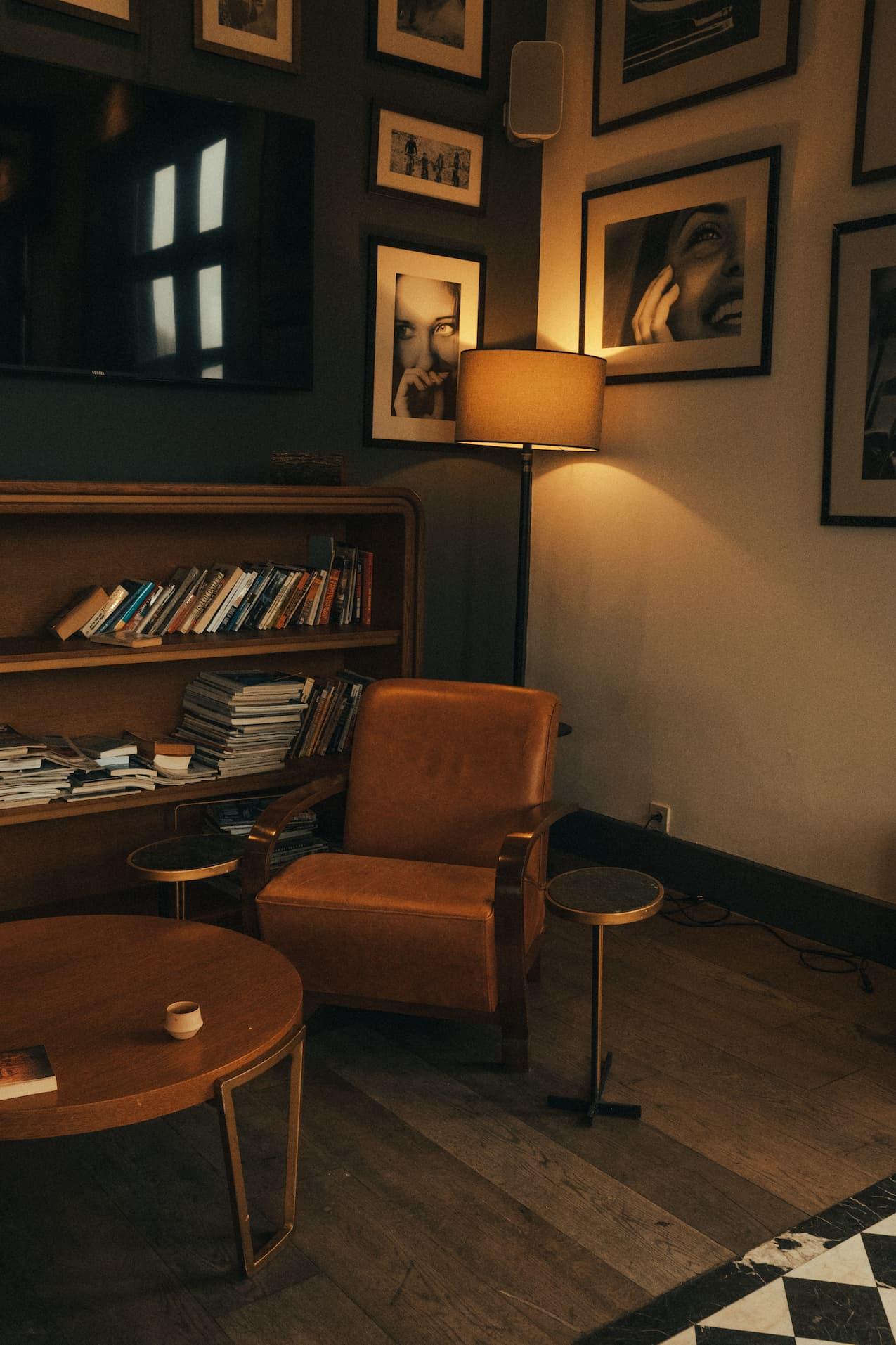
You bought the book with good intentions. Then it sat untouched because the couch felt awkward, the lighting was harsh, or your phone somehow became more interesting. A reading corner fixes those tiny problems before they turn into excuses, so picking up a book starts to feel like the easiest part of your day.
1. Pick a Spot You Already Like Passing Through
Don't start by looking for the biggest empty space in your home. Start by noticing where you naturally slow down, whether that's beside a window, near a bookshelf, or in the quietest corner of your living room. If you have to climb stairs or squeeze past clutter every time you want to read, you'll use the space less often. Pick a location that feels easy to reach because convenience beats perfection every single time.
2. Choose a Chair You Can Stay In for More Than Ten Minutes
A dining chair looks neat, but your back won't agree after a few chapters. Sit in the chair before you commit to it and check whether your feet touch the floor comfortably while your shoulders stay relaxed. If the seat feels too deep, place a firm cushion behind your lower back instead of forcing yourself to lean forward. You don't need expensive furniture, but you do need something that makes you forget you're sitting in it.
3. Fix the Lighting Before You Add Decorations
Good lighting changes everything because straining your eyes makes reading feel like work. Place your chair where natural light reaches it during the day, then add a lamp that shines over your shoulder instead of directly into your eyes for evenings. Warm white bulbs create a softer atmosphere without making the pages look yellow or dull. Test the setup by reading a few pages at night, then move the lamp until the words feel effortless to see.
Pro Tip: Read for fifteen minutes in your finished setup before you buy any extra decorations. You'll notice practical problems, like a shadow across the page or a missing side table, long before you notice whether the room needs another plant.
4. Keep Everything You Need Within Arm's Reach
The fastest way to interrupt a reading session is getting up every few minutes. Add a small table, stool, or shelf beside your chair so you have a place for a drink, your glasses, a bookmark, and your current book. If you enjoy taking notes, keep a notebook and pen nearby instead of hunting for them halfway through a chapter. Every item should have a purpose, so remove anything that only creates visual clutter.
5. Make the Space Comfortable Without Filling Every Corner
A soft blanket, one supportive cushion, and a small rug can make the area feel welcoming without making it crowded. Pick textures you enjoy touching because comfort is something you notice with your hands as much as your eyes. Leave enough open space around the chair to move freely, especially if you're carrying a hot drink. If every surface is covered with decorations, you'll spend more time moving things than relaxing.
6. Give Your Books a Home That Feels Effortless
You don't need a floor-to-ceiling bookshelf to stay organized. Stack a handful of books in a basket, on a floating shelf, or beside your chair so choosing your next read takes seconds instead of minutes. Rotate the selection every couple of weeks to keep the space feeling fresh without buying anything new. Seeing books within reach makes it much more likely that you'll pick one up instead of reaching for your phone.
7. Build a Reading Habit Around the Space
A beautiful corner won't help if you never sit in it. Pick one small moment each day, like after breakfast or before bed, and spend ten minutes reading there even if you only finish a few pages. Keep your phone out of reach or in another room so checking one notification doesn't turn into twenty minutes of scrolling. Once the habit feels natural, you'll spend longer in the chair without forcing yourself.
Common Mistake to Avoid
The biggest mistake is treating your reading corner like a display instead of a place you'll actually use. Many beginners spend money on decorations before testing whether the chair, lighting, and layout feel comfortable. Start with the basics, use the space for a week, and then add anything that genuinely makes the experience better. If something never gets used, remove it instead of trying to make it fit.
Now you're ready to create a reading corner that fits your daily routine instead of becoming another forgotten project. Set it up, sit down with a book tonight, and let the space do some of the work of turning reading into a habit.

Mia Carter
Author at SofaBreak — writing on guides and everyday curiosities.