How to Build the Perfect Home Cinema for Under $500
Your living room probably already has half the stuff you need for a great movie night. The problem is that most first-time setups waste money on the wrong things

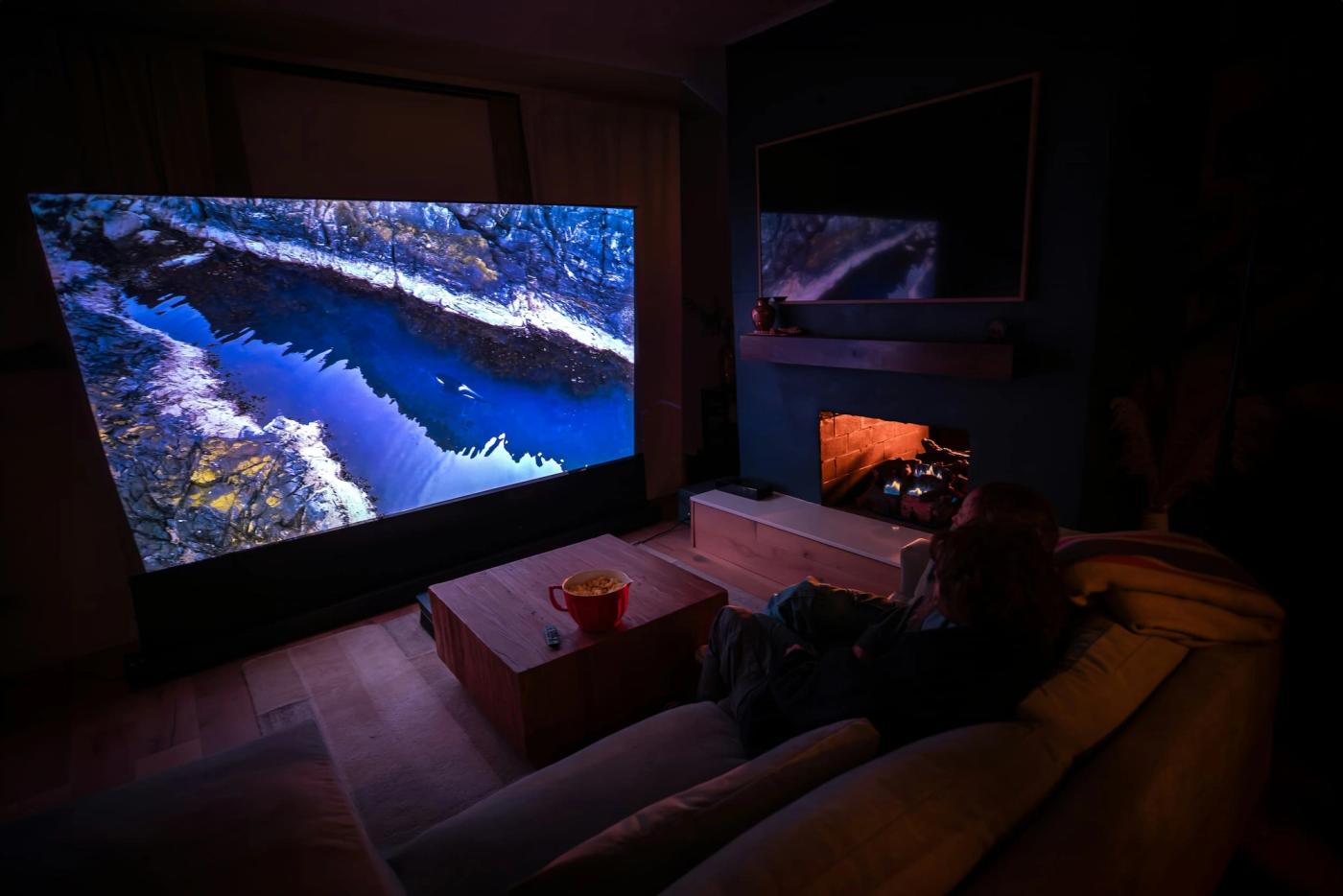
Start With the Room You Already Have
1. Pick the Smallest Room Possible
Big rooms eat sound. They also make cheap projectors and speakers look weak fast. If you've got a choice between a huge living room and a small bedroom, pick the smaller space every time. A compact room lets you sit closer to the screen, keeps audio tighter, and makes even budget gear feel more cinematic.
Turn off overhead lights and sit where you'll actually watch movies. Then check what distracts you. Windows behind the screen create glare, bare walls cause echo, and noisy fans kill quiet scenes. You don't need renovations here. Thick curtains, a rug, and moving the setup away from noisy appliances already makes a huge difference.
Leave enough wall space for a screen or projector image that's around 80 to 100 inches wide. Bigger sounds exciting until you realize cheap projectors get blurry and dim when stretched too far.
Picture Quality Matters More Than Fancy Features
2. Choose a Budget Display That Doesn't Look Cheap
Most beginners blow their budget on a giant TV and forget about sound entirely. Don't do that. Split your money properly. Around $250 to $300 for the screen gives you enough left for audio, seating upgrades, and accessories that actually matter.
A used or entry-level 4K TV often gives you the best value under $500 total. Look for solid brightness and decent contrast before worrying about extra features like voice assistants or ultra-high refresh rates. Movies look better with deep blacks and good color than they do with endless menu options you'll never touch.
Projectors can work too, especially if you want that classic cinema feel. But cheap projectors struggle during daytime viewing, so you'll need blackout curtains or nighttime viewing to make them worthwhile. Keep expectations realistic. A decent budget projector in a dark room still beats watching movies on a laptop.
Mount the screen at eye level when seated. Too high, and your neck starts hurting halfway through a movie. Most people get this wrong because they're copying sports bar TVs instead of home cinemas.
3. Spend More on Sound Than You Think
Bad audio ruins movies faster than mediocre picture quality. You can tolerate a slightly softer image. You can't enjoy dialogue that sounds like it's trapped inside a tin can. That's why your audio setup deserves real attention.
Skip tiny Bluetooth speakers. Go for either a basic soundbar with a subwoofer or a pair of powered bookshelf speakers. Even affordable stereo speakers create cleaner sound separation than the weak speakers built into most TVs. You'll hear footsteps, music, and dialogue properly instead of everything blending together.
Place speakers at ear height if possible. If you're using a soundbar, keep it directly below the screen instead of stuffing it inside a cabinet. Subwoofers work best near a wall, but don't shove them into a corner unless you want bass that rattles the entire room.
Pro Tip: Lower the bass slightly before your first movie night. Beginners usually crank bass too high because it sounds exciting for five minutes. After two hours, it turns every explosion into muddy noise and makes dialogue harder to hear.
Comfort Changes Everything
4. Fix Your Seating Before Buying Extra Tech
A home cinema falls apart fast if you're uncomfortable after 30 minutes. You don't need luxury recliners here. You need proper viewing angles and enough support to sit through a full movie without shifting around constantly.
Sit about 1.5 to 2 times the width of the screen away from the display. If your TV is too close, your eyes get tired. Too far away, and movies lose impact. Test different distances before locking anything in place.
Use pillows, beanbags, floor cushions, or a secondhand loveseat if your budget is tight. The goal is simple: everyone should see the screen clearly without twisting sideways. Keep drinks and snacks nearby too. Constantly standing up destroys the whole cinema vibe.
5. Control the Lighting Like a Theater
Lighting decides whether your setup feels immersive or cheap. Bright overhead lights flatten the image and pull attention away from the screen. Soft side lighting keeps the room comfortable without washing everything out.
Use warm LED strips behind the TV or projector screen if possible. Bias lighting reduces eye strain and makes dark scenes look richer. Small lamps placed behind seating work well too. Just avoid placing any light source directly beside the screen.
Blackout curtains are worth every dollar if you're using a projector. Daylight kills contrast instantly. Even a decent setup looks weak in a bright room. Nighttime viewing helps, but controlling light properly makes budget gear punch above its price.
The Cheap Extras That Make It Feel Real
6. Add Small Touches That Change the Atmosphere
This is where the setup stops feeling temporary. A few simple upgrades make your room feel intentional instead of looking like random electronics pushed together.
Hide visible cables using cheap cable sleeves or adhesive clips. Messy wires make even expensive setups feel unfinished. Add a small shelf or basket for remotes, chargers, and streaming devices so everything stays organized.
Keep blankets nearby. Seriously. Comfortable spaces get used more often. You can also print a few movie posters or add dim wall lighting to push the room further into that cinema feel without spending much money.
Streaming devices matter too. If your TV interface feels slow or cluttered, use a simple streaming stick instead. Fast menus and reliable apps save endless frustration later.
The Mistake That Burns Most Budgets
Common Mistake to Avoid
Most beginners spend too much money chasing screen size, then panic when they realize they still need speakers, lighting, and seating. A massive cheap TV with terrible sound doesn't feel cinematic. It feels unfinished. Keep your setup balanced instead of dumping your entire budget into one flashy purchase.
People also place everything too high. Screens mounted near the ceiling look dramatic in photos, but they're uncomfortable during actual use. Your eyes should naturally meet the center of the screen while seated.
Now you're ready to turn an ordinary room into a place where movie nights actually feel special. And once you hear clean sound and watch films without glare or distractions, you'll wonder why you waited this long to set it up properly.

Mia Carter
Author at SofaBreak — writing on guides and everyday curiosities.