How to Find Great Music From Decades Before You Were Born
Older music can feel weirdly difficult to approach. You search a decade, get handed the same famous songs everyone already knows

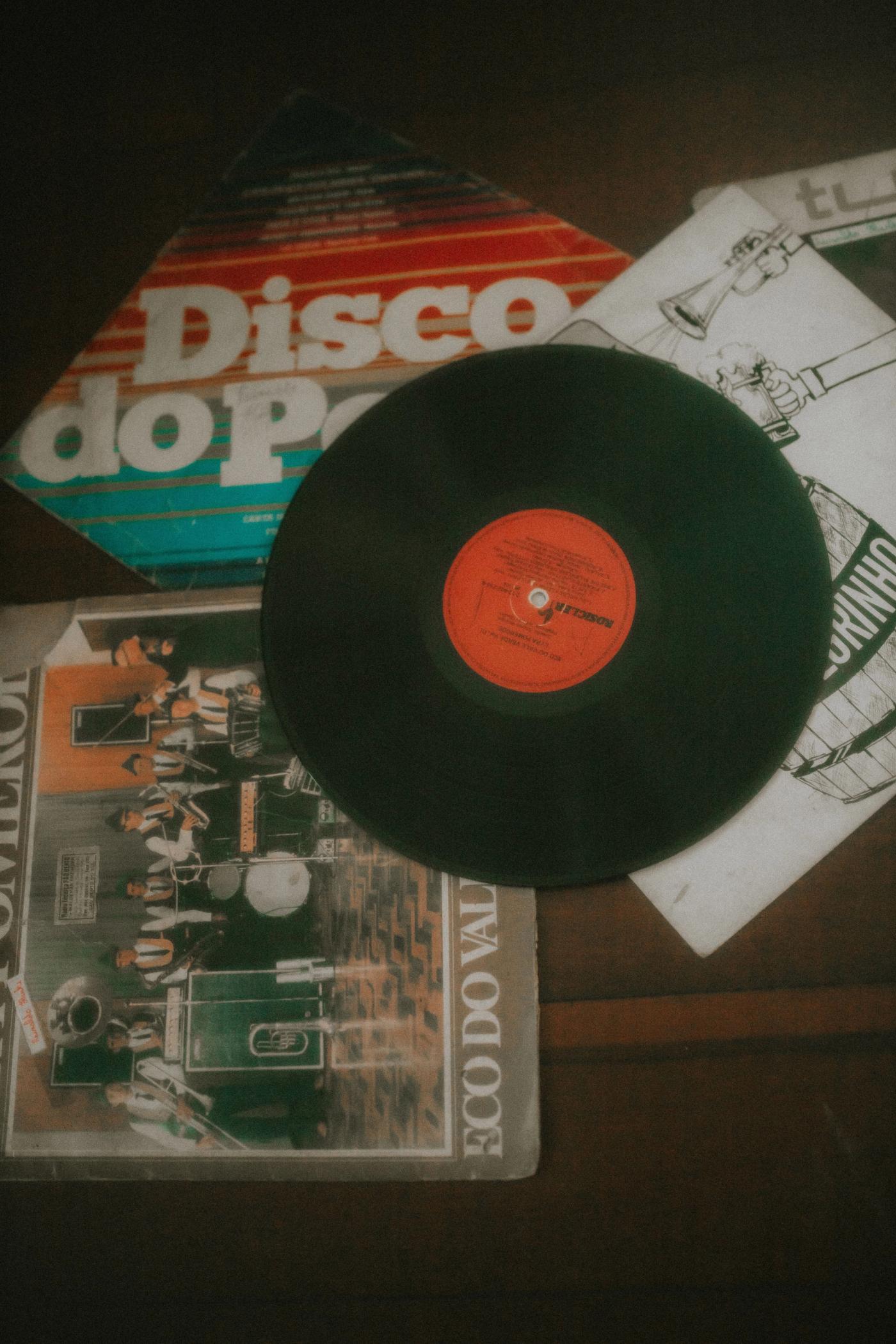
Older music can feel weirdly difficult to approach. You search a decade, get handed the same famous songs everyone already knows, then either settle for a greatest-hits playlist or give up because you have no idea where to go next. The better approach is to follow small connections from music you already like until an unfamiliar decade starts feeling navigable.
Start With Something You Already Understand
1. Pick one modern song you genuinely love
Don't begin with "the 1970s" or "classic soul." That's far too much territory when you don't yet know what you're looking for. Choose one song you already replay and identify the part that keeps pulling you back: the bass line, guitar tone, vocal style, drums, atmosphere, lyrics, or sheer energy. Write down two or three of those qualities, because they'll become your search terms instead of relying on a decade alone.
2. Trace that song backward
Search for interviews, album notes, reviews, or discussions where the artist talks about their influences. If your favorite singer mentions an older musician, listen to that musician before jumping anywhere else. You can also search combinations such as "[artist name] influences" or "[song name] sounds like" and look for older names that appear repeatedly. One solid connection is more useful than a list of 100 supposedly essential albums because you already know why you're following it.
Give One Album Enough Time
3. Listen to a full album before chasing another name
Once you find an older artist who catches your attention, choose one well-regarded album and play it from beginning to end. Don't decide after 30 seconds that track two sounds dated and skip through the rest, because older records often use different production choices, song structures, and pacing than you're used to. Give the album one uninterrupted listen while you're walking, commuting, cooking, or doing something that doesn't demand much concentration. Save any track that makes you look at your phone to check what's playing.
Pro Tip: When one track grabs you, check the album it came from before searching for more songs by the artist. Albums often reveal a specific sound, lineup, producer, or period that you like more than the artist's entire career, which makes your next search much easier.
4. Follow the people behind the record
Open the album credits and look beyond the main artist. Note the producer, songwriter, featured musicians, backing singers, or band members attached to the tracks you liked most, then search their names alongside the decade. A producer who shaped one record you love may have worked on several others with a similar feel, while a session musician can lead you into completely different artists. Think of credits as a map: every repeated name gives you another route forward.
Search Sideways, Not Just Backward
5. Explore scenes instead of entire decades
Searching "best music of the 1960s" usually pushes you toward the biggest acts, which means you'll keep seeing the same handful of names. Narrow the search by place, genre, or scene instead: try terms such as "1970s Lagos funk," "1980s Manchester post-punk," "1960s Detroit soul," or "1970s Brazilian psychedelic rock." Pick one result you enjoy, then search for artists who played the same clubs, recorded for the same labels, or appeared on the same compilations. Suddenly you're exploring a neighborhood instead of staring at an entire musical century.
6. Use compilations as shortcuts
A good compilation can introduce you to 15 or 20 artists without asking you to commit to 15 or 20 albums. Search for compilations built around a specific label, city, genre, or time period, then save the individual tracks that stand out. Afterward, look up the original album or single for your three favorite discoveries rather than continuing through endless compilation playlists. This keeps you moving deeper into music you actually enjoy instead of collecting names you'll forget tomorrow.
Turn Random Finds Into a System
7. Build a discovery playlist with strict rules
Create one playlist specifically for older music you're still getting to know, and only add tracks you genuinely want to hear again. Keep it small enough to recognize what you've saved, ideally 30 to 50 songs, and remove anything that starts feeling like homework after a few listens. Once a week, pick one track from that playlist and investigate its album, collaborators, label, or local scene. That habit turns a lucky discovery into five possible leads without flooding you with recommendations.
Common Mistake to Avoid
The biggest beginner mistake is treating famous "greatest albums ever" lists like required reading. Use those lists for leads, but don't force yourself to admire a record because critics, musicians, or millions of listeners consider it important. If three honest listens leave you cold, move on and follow the track that actually made you curious. Your goal is to build taste, not pass an imaginary music exam.
Now you're ready to start with one song you already love and follow its connections into decades that previously felt closed off. Keep following the names, records, scenes, and sounds that make you want another track, and your personal map of older music will grow faster than any giant essentials list could manage.

Ira kapoor
Author at SofaBreak — writing on guides and everyday curiosities.