How to Follow the Tour de France as a Complete Newcomer
The Tour de France can feel needlessly complicated when you first switch it on.

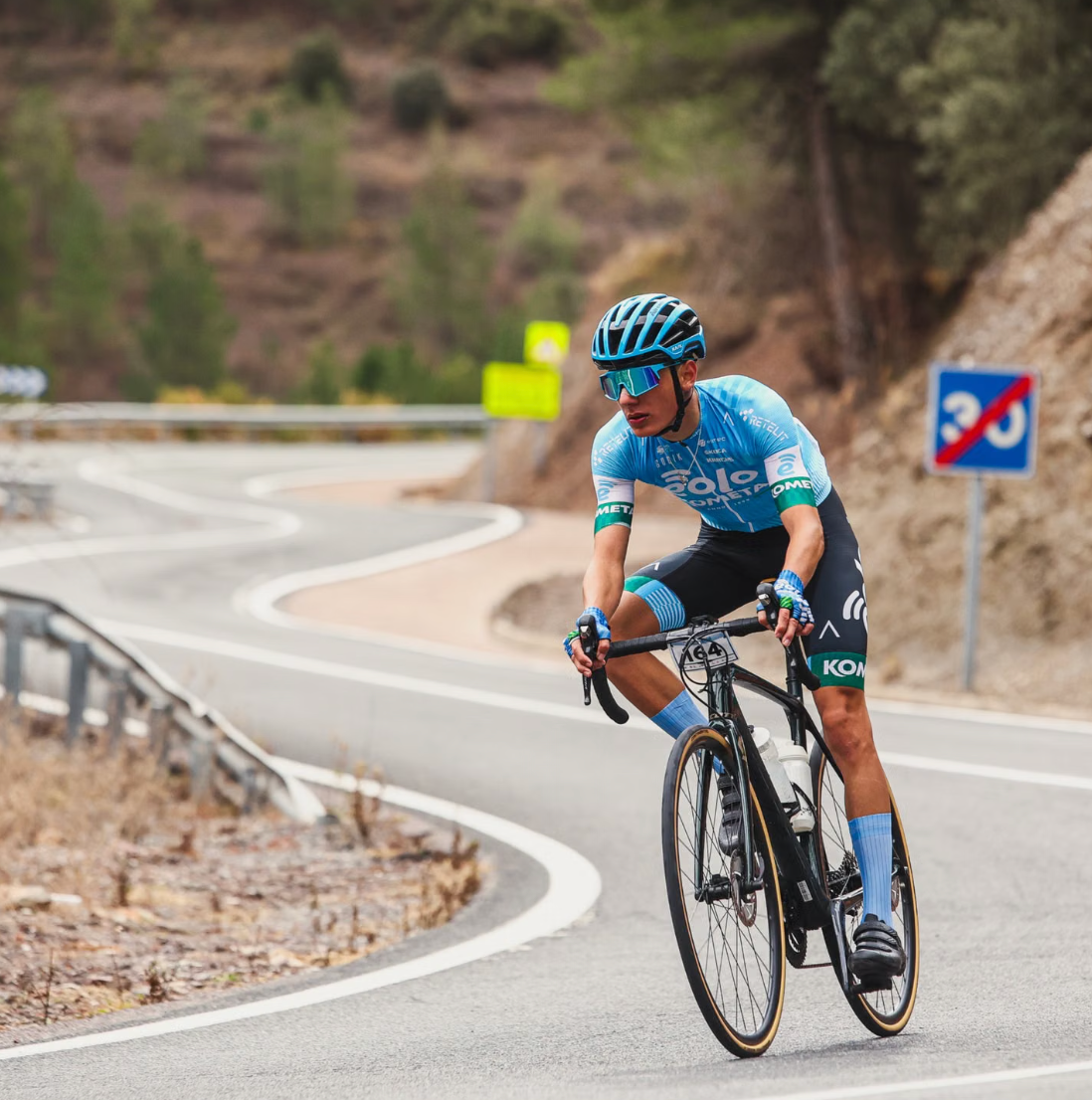
The Tour de France can feel needlessly complicated when you first switch it on. There are 20-plus teams, several colored jerseys, riders attacking for reasons you don’t understand, and commentators casually using terms like “peloton” as if everyone learned cycling vocabulary at school. You can get past that confusion quickly once you know what deserves your attention and what you can safely ignore.
Start With the Parts That Actually Matter
1. Learn the basic goal before worrying about anything else
Start with one simple idea: the Tour de France is a multi-stage race, and the main competition is decided by each rider’s total time across those stages. A rider doesn’t need to win every day, or even win a single stage, to win the Tour overall. Watch the yellow jersey because it identifies the rider currently leading that overall competition. When commentators mention the “general classification” or “GC,” they’re talking about this cumulative race for the lowest total time.
Don’t try to learn every secondary competition immediately. The green, polka-dot and white jerseys matter, but understanding yellow first gives you an anchor for everything else happening on screen.
2. Understand what a stage does to the race
Treat each stage as a separate race inside the larger Tour. Riders start together on most days, race a set route, and receive a finishing time that feeds into the overall standings. Flat stages usually give sprinters their best chance to win, while mountain stages can create large gaps between riders competing for yellow. Individual time trials work differently because riders race alone against the clock rather than starting together in a large group.
Before watching each day, check whether the route is flat, hilly, mountainous or a time trial. That one detail tells you far more about what to expect than memorizing dozens of rider names.
Make the Race Easier to Read
3. Learn four terms and ignore the rest for now
You only need a tiny cycling vocabulary to follow your first Tour properly. The “peloton” is the main group of riders, while a “breakaway” is a smaller group that has ridden ahead of it. An “attack” happens when a rider accelerates away from the people around them, and a “domestique” is a rider whose job includes helping teammates rather than chasing personal victory.
Listen for those four terms during a stage and connect them to what you see on screen. If three riders are five minutes ahead of a huge group, you’re looking at a breakaway ahead of the peloton. Once those basic patterns become obvious, the more specialized vocabulary starts making sense without homework.
4. Pick a few riders instead of trying to recognize everyone
Choose three or four riders to follow during your first few stages. Start with the yellow jersey holder, one major challenger for the overall victory, a sprinter on a flat day and perhaps a rider who catches your attention during a breakaway. Look for their team jersey, helmet and race number so you can identify them when the camera cuts between groups.
Then notice who rides around them. Cycling is a team sport disguised as an individual one, and watching teammates fetch bottles, chase attacks, block the wind and control the pace makes the tactics much easier to understand.
Pro Tip: Follow one GC contender and watch what their teammates do for them during a mountain stage. You’ll understand Tour de France tactics faster by tracking that small group than by trying to follow the entire peloton.
Watch Smarter, Not Longer
5. Don’t assume you need to watch every kilometer live
A Tour stage can occupy several hours, and you don’t need to spend your entire afternoon watching riders conserve energy in a large group. If you’re short on time, check the stage profile first and focus on the section where the decisive terrain begins. For a flat sprint stage, watching the final 20 to 30 kilometers can give you most of the action that determines the winner. On a mountain day, tune in earlier if the final climbs are long or several major climbs come before the finish.
Use highlights when you miss a stage rather than abandoning the Tour because you fell behind. Catch up on the stage winner, any major crashes or attacks, and changes near the top of the overall standings before watching the next day.
6. Use the time gaps on screen to understand the tactics
Pay attention whenever the broadcast displays time gaps between groups. If a breakaway has four minutes over the peloton with 50 kilometers remaining, watch whether that number grows or shrinks rather than worrying about every individual rider. A steadily falling gap usually means teams behind are actively chasing, while a stable gap can mean the peloton is temporarily comfortable letting the leaders stay ahead.
During mountain stages, switch your attention to the gaps between the main GC riders. Ten or twenty seconds can suddenly matter when a contender attacks near the summit, especially because every second lost becomes part of the overall standings.
Know What You’re Watching For
7. Check the standings after each stage
Spend two minutes after each stage looking at the general classification rather than relying on whoever crossed the line first. Check who has yellow, how many seconds separate the leading contenders, and whether anyone important gained or lost significant time. Then check the next day’s stage profile so you know whether those gaps are likely to come under pressure.
You can follow the other jerseys once the main race feels comfortable. Green rewards performance in the points competition, the polka-dot jersey marks the leader of the mountains classification, and white identifies the leader of the young-rider classification. Think of them as parallel contests running alongside the battle for yellow.
Common Mistake to Avoid
The biggest beginner mistake is treating every stage winner as if they’ve taken the lead in the Tour. A rider can win from a breakaway while remaining far behind the yellow jersey in the overall standings, and the main contenders may finish together several minutes later without losing anything important to each other. Always separate the question “Who won today?” from “What happened to the overall race?” Make that check after every stage and the Tour becomes much easier to follow.
Now you’re ready to watch the Tour de France without feeling lost every time the camera jumps between groups. Pick a few riders, track the time gaps and yellow jersey, and you’ll soon start spotting the moves that matter before the commentators explain them.

Jude Archer
Author at SofaBreak — writing on guides and everyday curiosities.