How to Get Into Comic Book Collecting as an Adult
You walk into a comic shop or browse online, and suddenly you're staring at thousands of issues, unfamiliar characters, and price tags that make no sense

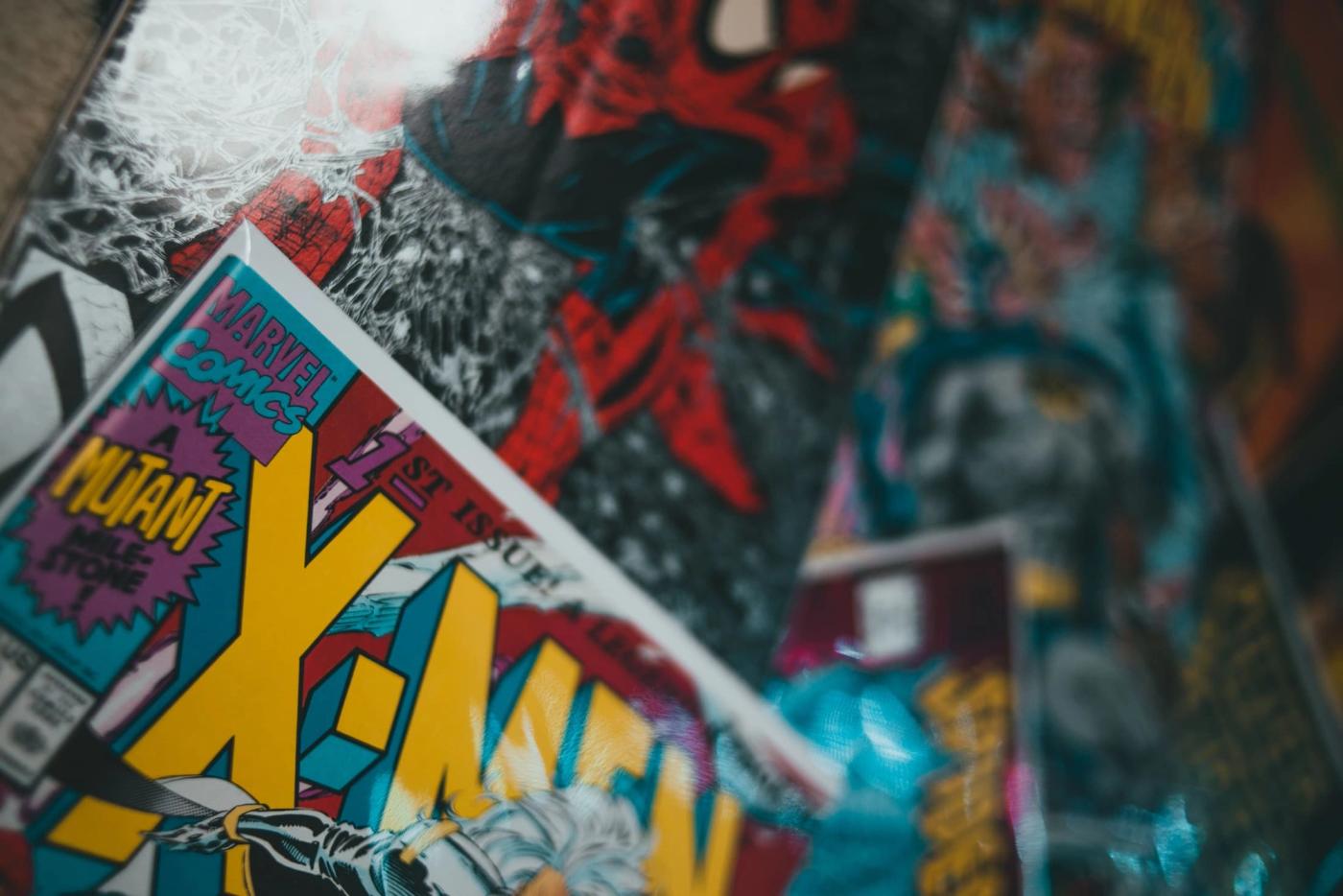
You walk into a comic shop or browse online, and suddenly you're staring at thousands of issues, unfamiliar characters, and price tags that make no sense. It's easy to assume you've missed your chance because you didn't start collecting as a kid. You haven't. You just need a simple plan that keeps you from wasting money and filling your shelves with books you don't actually want.
1. Decide What Kind of Collector You Want to Be
Start by figuring out what excites you most. You might want to read great stories, hunt for valuable issues, collect your favorite superhero, or own beautiful cover art. Pick one main goal before you buy anything because every choice after that becomes much easier. If you're buying everything that catches your eye, you'll end up with a pile of random comics instead of a collection that feels personal.
Write your goal in one sentence and keep it on your phone. When you're tempted to buy something, compare it to that goal. If it doesn't fit, leave it behind.
2. Choose One Character or Series and Stay There
Your first collection should stay small. Pick one character, one team, or one comic series instead of trying to cover an entire universe. That gives you a clear target and helps you learn how issue numbers, story arcs, and different editions work without feeling overwhelmed.
Look for collected editions if your main goal is reading. Choose individual issues if you enjoy the hunt and want the experience of building a collection one comic at a time. Both approaches count as collecting, so don't worry about doing it the "right" way.
3. Set a Monthly Budget Before You Buy Anything
Comic collecting gets expensive faster than most beginners expect. Decide on a monthly amount you can spend comfortably, then treat it like any other hobby budget. Even a modest budget can build a collection over time if you stay consistent.
Keep a simple note on your phone with every purchase, including the price and where you bought it. You'll quickly spot patterns, like spending too much on impulse buys or paying extra for books you could have found elsewhere. Watching your spending also makes each purchase feel more intentional.
Pro Tip: Leave at least 20% of your monthly budget untouched. You'll eventually find a comic you've genuinely wanted for weeks, and having money ready lets you buy it without regret or selling something else to make room.
4. Learn How to Check a Comic Before You Buy It
Before handing over your money, look at the comic carefully. Check the front and back cover for tears, folds, heavy scratches, or missing pieces. Flip through the pages to make sure none are missing, stuck together, or covered in writing that wasn't meant to be there.
Ask the seller if the comic has been restored or repaired if you're buying an older issue. Don't feel awkward about taking a minute to inspect it because that's a normal part of collecting. The more comics you handle, the easier it becomes to notice the difference between normal wear and damage that affects value.
5. Store Your Comics Properly From Day One
Protecting comics is much cheaper than replacing damaged ones. Put each comic in a protective bag with a backing board, then store them upright in a sturdy comic storage box. Keep them somewhere cool, dry, and away from direct sunlight because heat, moisture, and light slowly damage paper.
Avoid stacking large piles of comics on top of each other for long periods. The weight can bend covers and crease pages. Spending a little on storage now saves disappointment later when your favorite issue still looks as good as the day you bought it.
6. Buy Slowly and Learn What You Actually Enjoy
You don't need hundreds of comics to call yourself a collector. Buy a few issues, read them, organize them, and decide what made you excited to own them. You might discover that you love independent stories more than superheroes, or that striking cover art matters more to you than completing every issue.
Because you're collecting for yourself, your taste matters more than someone else's checklist. Let your collection grow naturally instead of chasing every comic that people say you "should" own. That's how collections develop personality instead of looking like copies of someone else's shelf.
Common Mistake to Avoid
The biggest mistake beginners make is buying comics simply because someone claims they'll become valuable. Most collections become more satisfying when they're built around stories, characters, or artwork you genuinely enjoy. If a comic becomes worth more later, that's a bonus. If it doesn't, you'll still be happy you own something you actually wanted to read and keep.
Now you're ready to build a comic collection that fits your interests instead of following someone else's path. Take your time, enjoy every new addition, and let your shelves tell a story that's completely your own.

Jude Archer
Author at SofaBreak — writing on guides and everyday curiosities.