How to Get Into Motorsport Beyond Formula One
Formula One is easy to find. The harder part comes when you realise there’s an entire weekend of racing happening outside that bubble

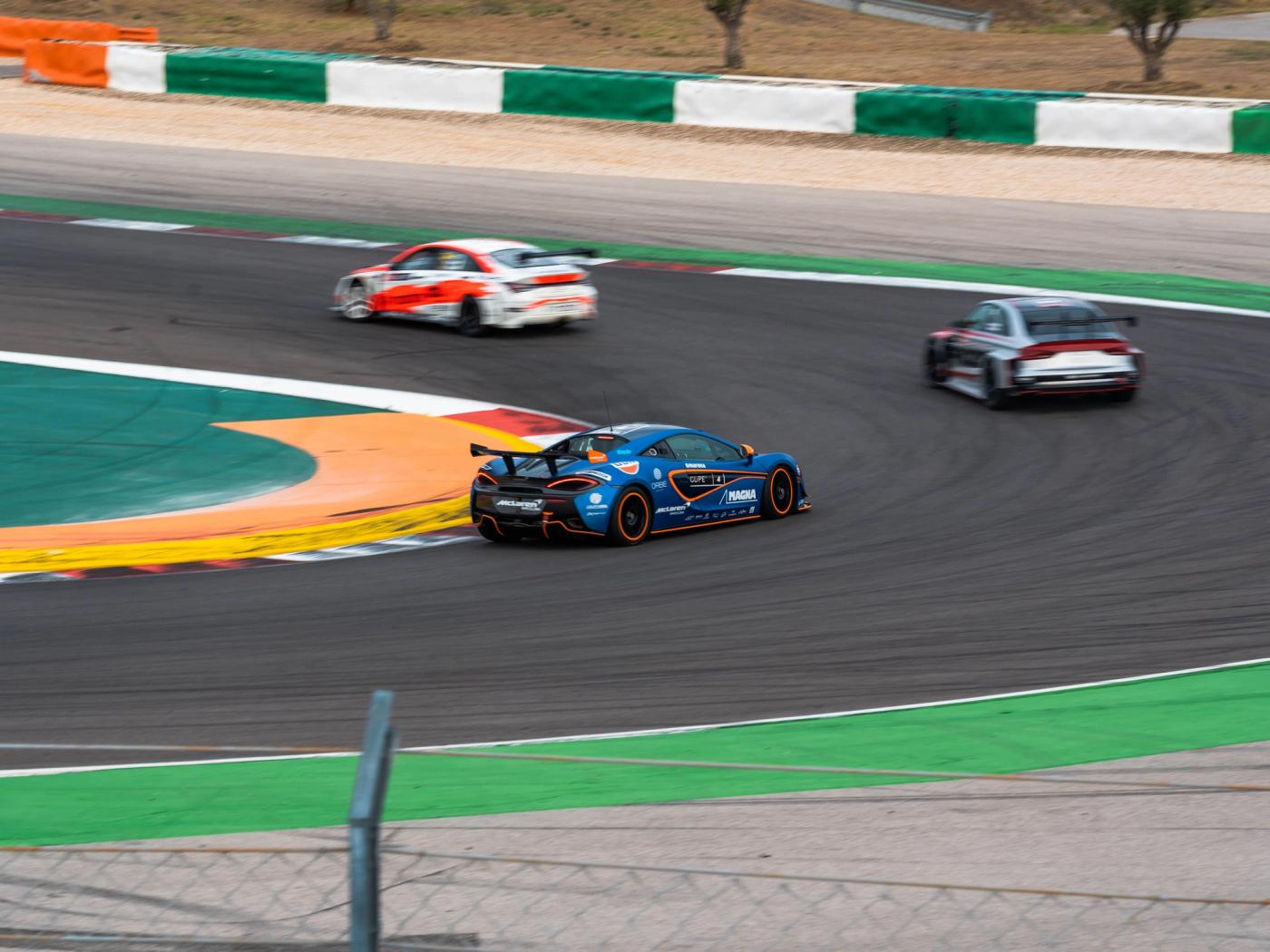
Formula One is easy to find. The harder part comes when you realise there’s an entire weekend of racing happening outside that bubble and you have no idea whether to watch rally cars flying through forests, prototypes racing through the night, or touring cars hitting each other like they’re settling a personal dispute.
You don’t need to understand every championship before you start. You need one type of racing that grabs you, one reliable way to follow it, and enough context to know why the next race matters.
Start With the Racing, Not the Rulebook
1. Pick a type of motorsport that sounds fun
Don’t start by comparing 20 championships. Start by deciding what kind of racing you actually want to watch: endurance racing for long strategic battles, rallying for cars attacking public-road-style stages, touring cars for close contact, or motorcycle racing if two wheels appeal more than four. If you like F1 because of engineering and strategy, try endurance racing; if you mainly want overtaking and aggression, start with touring cars or a one-make series. Give one category a full race or event before deciding whether it works for you.
2. Choose one championship and follow it for a month
Once you’ve picked a style, narrow your attention to one series. For endurance racing, you could start with the World Endurance Championship; for rallying, try the World Rally Championship; for motorcycles, MotoGP gives you a clear top-level series to follow. Find the championship’s official calendar, save the next two event dates to your phone, and resist the urge to add five more series immediately. Following the same drivers, teams and rivalries across several events turns unfamiliar cars into something you actually care about.
Pro Tip: Put the next race in your calendar before you close the championship website. Motorsport seasons are easy to lose track of because different series can leave two, three or even four weeks between events.
Make Your First Race Easy to Follow
3. Learn only the rules that affect what you’re watching
You don’t need to memorise technical regulations. Before your first event, learn the race length, how qualifying works, whether drivers make mandatory pit stops, how points are awarded, and what happens when a safety car or caution appears. The championship’s official website or beginner videos from the series itself should cover those basics quickly. Stop once you can explain what the competitors are trying to achieve, because the smaller rules will make far more sense when you see them happen.
4. Pick three competitors to recognise
A timing screen full of unfamiliar names is where beginners often lose interest. Before the race, choose a favourite, a title contender and one outsider, then note their car numbers, colours or team names. You don’t need a sophisticated reason for choosing them; nationality, driving style, a good-looking livery or an entertaining interview is enough. During the race, track those three first, and you’ll naturally start learning everyone around them.
5. Watch one complete event without multitasking
Highlights are useful later, but your first proper exposure should include enough of an event to show you how the racing develops. Put your phone down, keep live timing or the official entry list nearby, and watch how positions change through pit stops, tyre choices, traffic, mistakes and penalties. If you’re trying endurance racing, you don’t need to watch a six-hour race without moving; watch the opening hour, return for a middle stint, then make sure you see the final hour. You’re looking for the rhythm of the competition, not proving you can survive a marathon on the sofa.
Turn One Race Into Something You Follow
6. Use highlights and recaps to fill the gaps
Once you’ve watched an event, use the championship’s official highlights, results and post-race reports to catch anything you missed. Check why a driver suddenly disappeared down the order, which penalty changed the result, and whether the championship standings moved because of it. Then look at the next event and identify one storyline you want to follow, such as a title fight, a struggling team or a driver trying to recover from a bad weekend. That single thread gives you a reason to come back.
7. Go to a local event before chasing a famous race
Your first live motorsport event doesn’t need grandstands packed with 100,000 people. Search the calendars of circuits, kart tracks, rally clubs and national motorsport organisations near you, then look for club racing, touring cars, historic racing, motocross or regional rallies with straightforward ticket access. Check parking, permitted bags, food rules, hearing-protection advice and spectator areas before you leave home. Arrive early enough to walk around, because seeing the machinery up close and hearing cars at full speed can make a small local meeting more memorable than watching a famous race from the worst seat in the building.
8. Build your motorsport calendar slowly
After three or four events, decide whether your chosen series deserves a permanent place in your calendar. Add another championship only when you can follow the first one without constantly checking who everyone is or what the rules mean. Mix different formats rather than collecting similar series: one endurance championship, one rally series and occasional local racing will give you more variety than following four championships with near-identical race weekends. And keep your calendar realistic, because motorsport stops being fun quickly when you turn every Saturday and Sunday into compulsory viewing.
Common Mistake to Avoid
The biggest mistake is trying to become an expert before you become a fan. Beginners often open technical regulations, watch endless explainer videos and attempt to learn every team before they’ve finished a single race. Skip that homework mentality and learn each rule when it affects something you’ve just watched. If a race makes you want to understand why a pit stop, tyre choice or penalty changed the result, you’ve found the right reason to learn more.
Now you’re ready to pick one championship, save its next race date and watch it with enough context to know what matters. Give yourself a few weekends and you’ll stop looking for “motorsport beyond F1” because you’ll already have races you don’t want to miss.

Ira kapoor
Author at SofaBreak — writing on guides and everyday curiosities.