How to Start Collecting Movie Memorabilia Without Spending a Fortune
Walking into the world of movie memorabilia can feel like stepping into an auction where everyone else has a bigger budget than you

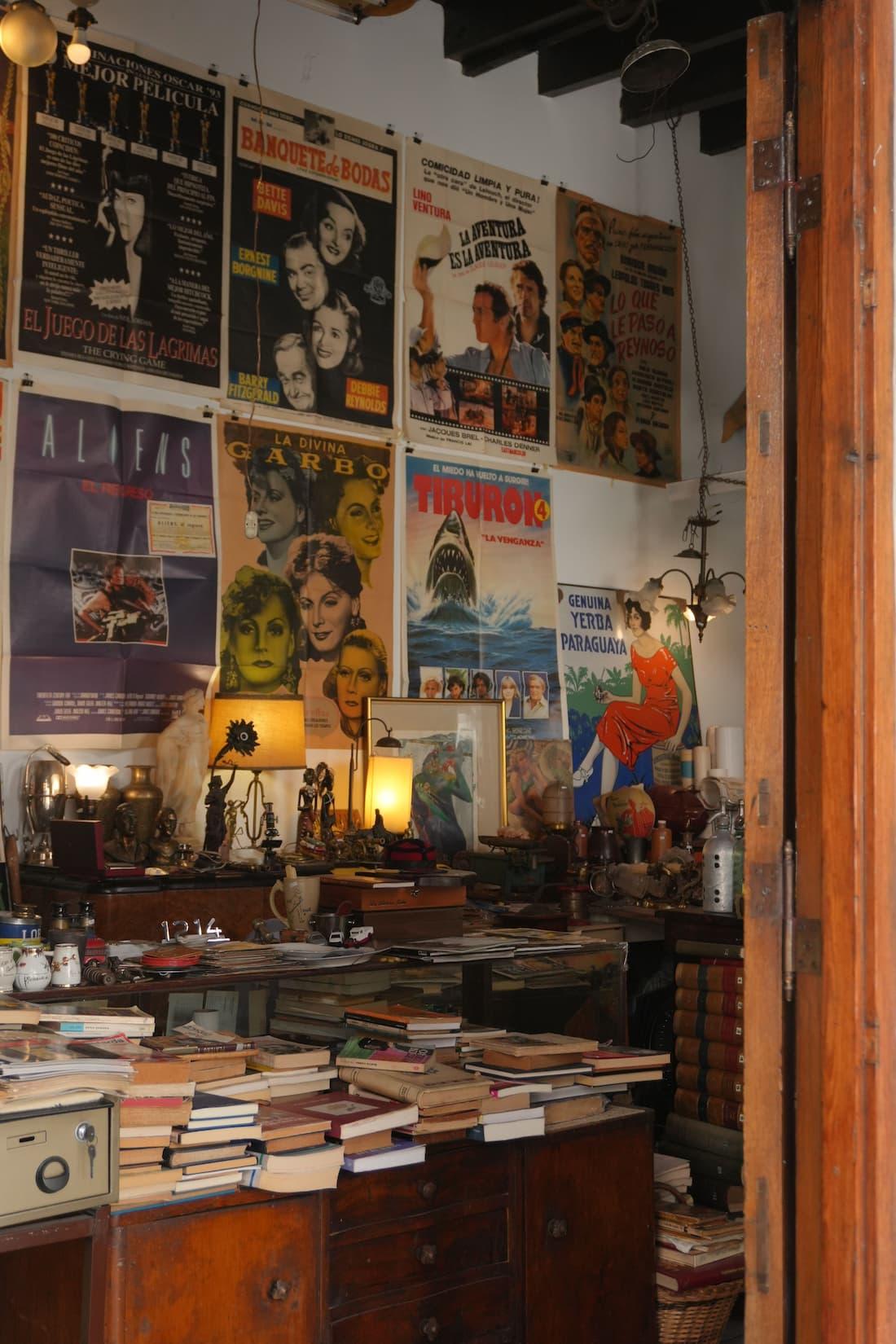
Walking into the world of movie memorabilia can feel like stepping into an auction where everyone else has a bigger budget than you. Prices for famous props and signed posters grab all the attention, so it's easy to think collecting isn't realistic unless you've got thousands to spend. The good news is that you don't need rare Hollywood treasures to build a collection you'll actually enjoy looking at every day.
1. Decide What You Actually Want to Collect
Start by picking one clear focus instead of buying anything connected to movies. You might collect horror posters, superhero action figures, cinema tickets from films you've seen, or replica props from your favorite franchises. A narrow focus helps you spot good deals because you'll know what belongs in your collection and what doesn't. It also keeps you from spending money on random items that end up forgotten in a drawer.
Write your focus on your phone or a piece of paper before you buy anything. When you see something tempting, compare it to that list. If it doesn't fit, leave it behind and save your money for something you'll appreciate more.
2. Set a Monthly Budget Before You Shop
Pick a monthly amount that won't affect your bills or savings. Even $20 or $30 a month is enough to build a collection over time if you spend it carefully. Keeping a budget makes every purchase more deliberate instead of emotional.
Track what you buy with a simple note on your phone. Include the price, where you found it, and why you bought it. After a few months, you'll notice patterns that help you spend smarter and avoid buying similar items twice.
3. Look Beyond the Obvious Places
Don't limit yourself to expensive collector stores. Check thrift shops, flea markets, garage sales, used bookstores, charity shops, comic conventions, and local classifieds because plenty of movie items end up there without collector pricing. You can also browse secondhand marketplaces where people sell items after moving or clearing storage.
Visit these places regularly instead of expecting everything on your first trip. New stock arrives all the time, and patience often beats paying premium prices. Bring your budget with you and stick to it, even when you find something exciting.
Pro Tip: Visit thrift stores and flea markets early in the day when new items have just been placed on shelves. You'll have a better chance of finding movie collectibles before other buyers see them.
4. Learn to Spot Good Condition Quickly
You don't need to become an expert overnight, but you should inspect every item before buying it. Look for tears, missing pieces, cracked plastic, fading, stains, heavy scratches, or water damage. Small signs of wear can be fine if you're buying something to display, but major damage usually lowers both the appearance and long-term value.
Ask yourself whether you'd still be happy displaying the item a year from now. If the damage would bother you every time you looked at it, keep searching. Another opportunity will come along.
5. Buy What You Enjoy, Not What You Think Will Make Money
It's easy to get caught up in stories about collectibles that became valuable years later. Chasing future profits usually leads to disappointment because nobody can predict which items will become highly sought after. Buy pieces that remind you of movies you genuinely love.
That approach makes every purchase worthwhile even if its value never changes. You'll enjoy looking at your collection because every item has a personal reason for being there instead of feeling like a risky investment.
6. Keep Your Collection Protected From Day One
You don't need expensive display cabinets to protect your collection. Store posters in protective sleeves or tubes, keep paper items away from direct sunlight, and dust figures regularly with a soft cloth. If you display collectibles on open shelves, avoid placing them where they'll be knocked over or exposed to moisture.
Take photos of everything you own and keep a simple list of your collection. That record helps you remember what you've already bought and makes replacing or identifying items much easier if something is ever lost or damaged.
7. Upgrade Slowly Instead of Buying Everything Immediately
Your first purchase doesn't have to be perfect. Many collectors start with affordable versions and replace them later when they find better-condition examples or rarer editions within their budget. Selling or donating items you've outgrown also creates room for better pieces.
Give yourself permission to pass on deals that don't feel right. Waiting a few weeks is better than filling your shelves with collectibles that stop exciting you after the novelty wears off. A smaller collection filled with favorites always looks better than a crowded shelf full of impulse buys.
Common Mistake to Avoid
The biggest mistake beginners make is buying too many cheap items simply because they're available. That habit fills your shelves quickly but leaves little room or budget for pieces you genuinely care about. Slow yourself down before every purchase and ask whether the item fits your collecting focus. If the answer isn't an easy yes, keep your money for something better.
Now you're ready to build a movie memorabilia collection that reflects your taste instead of your spending power. Stick to your budget, stay patient, and you'll end up with a collection that feels personal every time you add something new.

Jude Archer
Author at SofaBreak — writing on guides and everyday curiosities.