How to Watch Skateboarding as a Sport and Know What to Look For
Watching someone launch off a ramp, spin their board, and land perfectly looks impressive. But when the next skater does something similar and gets a completely different score, it's easy to feel lost.

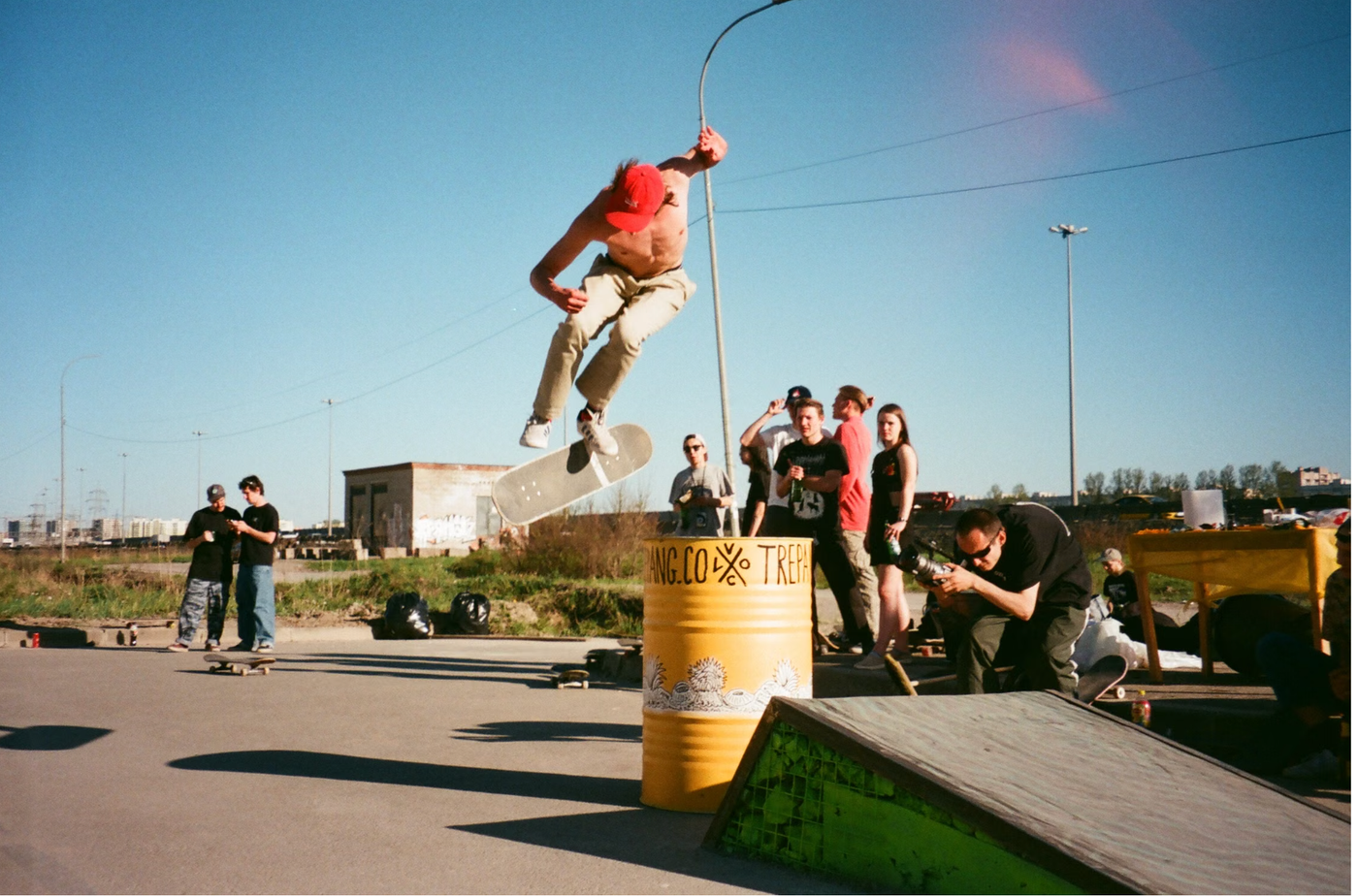
Watching someone launch off a ramp, spin their board, and land perfectly looks impressive. But when the next skater does something similar and gets a completely different score, it's easy to feel lost. Without knowing what judges reward, you're watching tricks without understanding the competition.
The good news? You don't need to skateboard yourself to follow the action. You just need to know where to look, which details matter, and how to recognize a great run.
Start With the Basics: What Are You Actually Watching?
1. Know the Difference Between Street and Park Skateboarding
Before watching a competition, check whether you're watching street or park skateboarding. These are the two main disciplines you'll see at major international events, and they reward different approaches.
Street skateboarding takes place on courses designed to resemble urban environments, with stairs, handrails, ledges, benches, and gaps. Watch how skaters use these obstacles to perform flips, grinds, and slides, often combining several movements into one trick.
Park skateboarding happens in a flowing course filled with bowls, curved walls, ramps, and transitions. Here, watch how skaters maintain speed, launch into the air, and connect tricks without interrupting their momentum.
For your first competition, choose one discipline and watch it from start to finish. You'll recognize patterns much faster than if you constantly switch between the two.
2. Learn Five Trick Types Before Memorizing Names
You don't need to memorize 50 skateboarding tricks to enjoy a competition. Start by recognizing five basic movements that appear repeatedly.
Ollie: The skater jumps while bringing the board into the air without grabbing it.
Kickflip: The board flips lengthwise beneath the skater's feet before landing.
Grind: The skater slides along an obstacle using the metal trucks underneath the board.
Slide: The skater moves across an obstacle using part of the board itself, rather than primarily the trucks.
Grab: The skater holds the board with one or both hands while airborne.
Watch a few slow-motion clips and identify which movement happens first. Then notice how advanced skaters combine them, such as flipping onto a rail, grinding along it, and landing cleanly.
Don't worry about complicated trick names yet. Recognizing the basic movements gives you enough information to understand what makes a combination difficult.
Learn to Spot What Makes a Trick Impressive
3. Watch the Landing Before You Watch the Score
The landing tells you more about a trick's execution than almost anything else. Train yourself to look at the skater's feet, balance, and direction immediately after the board touches the ground.
A clean landing usually means both feet return securely to the board, the skater maintains control, and the wheels continue rolling smoothly. A shaky landing might involve dragging a foot, wobbling, or making an obvious correction to avoid falling.
But don't assume every trick that ends without a fall deserves a high score. Judges also consider difficulty, execution, variety, and how the skater uses the course.
Try this during your next competition: before the score appears, decide whether the landing looked clean, slightly unstable, or unsuccessful. Then compare your assessment with the judges' reaction.
Pro Tip: Watch the same trick twice when a replay is available. On the first viewing, follow the skater's entire movement; on the second, focus only on the takeoff, board rotation, and landing. You'll start spotting small differences that explain why two similar-looking tricks receive different scores.
4. Look for Difficulty Beyond Big Jumps
A skater flying several feet above a ramp looks impressive, but height alone doesn't determine difficulty. Some of the hardest tricks happen close to the ground, where precise foot placement and timing matter more than spectacle.
In street competitions, notice whether a skater flips the board before landing on a rail or adds a rotation while leaving it. Compare that with a simpler grind along the same obstacle to understand the extra control required.
In park competitions, watch for rotations, changes of direction, and tricks performed on challenging sections of the course. Pay attention to whether the skater lands with enough speed to continue into the next obstacle.
When comparing two tricks, ask yourself which requires more movements to happen correctly in a shorter amount of time. That question will help you appreciate technical difficulty without knowing every trick's official name.
5. Follow the Entire Run, Not Just Individual Tricks
A skateboarding run is a planned sequence of tricks performed within a time limit. Instead of watching each trick separately, follow how the skater moves through the course.
In park skateboarding, notice whether the skater maintains speed between obstacles or repeatedly loses momentum. Smooth transitions allow skaters to fit more tricks into a run while demonstrating control.
In street skateboarding, look at the variety of obstacles and techniques the skater uses. A run that combines different tricks across several obstacles can demonstrate more range than one relying heavily on similar movements.
Try mentally dividing a run into its beginning, middle, and finish. Notice whether the skater builds difficulty, repeats movements, or saves a demanding trick for the final seconds.
Understand the Scores and Enjoy the Competition
6. Read the Competition Format Before Comparing Scores
Before the event begins, check how many runs and individual trick attempts each skater receives. Competition formats vary, and understanding the rules prevents you from misreading the leaderboard.
In some street formats, skaters complete timed runs followed by individual best-trick attempts, with selected scores contributing to their final total. Park competitions generally emphasize timed runs, with the best qualifying run determining a skater's result.
Look at the event's scoring graphic to see which attempts count, which scores have been dropped, and how many opportunities remain. Don't assume the highest single trick score automatically puts someone in first place.
Also check whether the event uses a 0-to-100 scoring scale or another system. Use the format shown for that competition rather than applying rules from an event you watched previously.
7. Compare Skaters Using Three Simple Questions
Once you understand the format, turn the competition into a prediction exercise. Before the judges reveal a score, evaluate each performance using three questions.
First, how difficult were the tricks? Look for complicated rotations, technical combinations, challenging obstacles, and demanding landings.
Second, how cleanly were they performed? Watch for secure landings, controlled movement, and whether the skater completes tricks as intended.
Third, how much variety did the skater show? Notice changes in trick types, obstacle choices, and approaches rather than rewarding the same movement repeatedly.
Make a quick prediction about whether the score will be higher or lower than the previous competitor's. You won't always agree with the judges, but comparing your reasoning with the result is one of the fastest ways to improve your understanding.
Common Mistake to Avoid: Judging Everything by Spectacle
The biggest beginner mistake is assuming the highest jump or fastest spin must be the best trick. Don't ignore a precise technical trick just because it looks less dramatic on screen. Watch the board's movement, the difficulty of the obstacle, and the quality of the landing before deciding which performance impressed you most. And remember that judges evaluate the full scoring criteria, so a visually exciting trick can still lose points through poor execution or limited variety.
Your Next Competition Will Look Different
Now you're ready to watch a skateboarding competition, recognize the key movements, follow the scoring, and make your own informed predictions. Start with one full street or park event, and you'll soon notice the small details that separate a decent trick from a competition-winning performance.

Devon Walker
Author at SofaBreak — writing on guides and everyday curiosities.