How to Watch Surfing as a Sport and Understand What You Are Seeing
Surfing can look baffling when you first watch a competition. Two surfers paddle around for half an hour, plenty of waves go untouched, scores appear after a delay

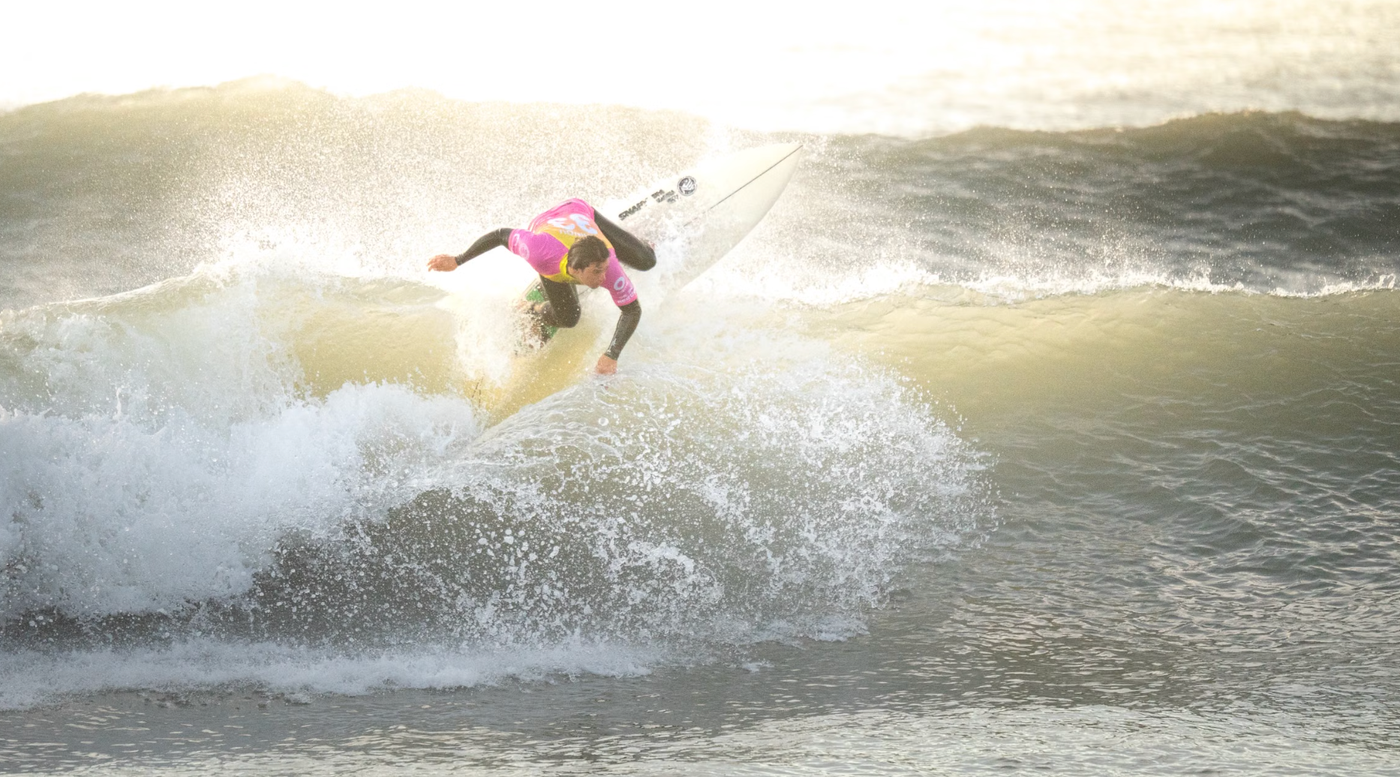
Surfing can look baffling when you first watch a competition. Two surfers paddle around for half an hour, plenty of waves go untouched, scores appear after a delay, and the person doing the biggest-looking turn doesn’t always win. Once you know what the judges are actually rewarding, the whole thing becomes much easier to follow.
1. Start With the Heat, Not the Entire Event
Treat each heat as its own contest. A heat usually puts a small group of surfers in the water for a fixed amount of time, and your first job is simply to identify who’s competing and how much time remains. On a broadcast, look for the colored jerseys next to each surfer’s name and match those colors to the surfers in the water.
Then find the score panel. Competitive surfing commonly uses a surfer’s two best wave scores to create their heat total, so a pile of mediocre rides won’t necessarily beat two excellent ones. Keep your attention on the current heat instead of trying to understand the tournament bracket immediately.
2. Learn What a Wave Score Actually Means
When a surfer catches a wave, judges score the ride on a scale from 0 to 10. You don’t need to predict the exact number. Start by sorting rides into rough categories: weak, average, good, or excellent.
Judges look at factors including commitment and difficulty, innovative and progressive maneuvers, combinations of major maneuvers, variety, and speed, power and flow. Watch how aggressively the surfer attacks the wave, how difficult the chosen moves appear, and whether those moves connect smoothly. A surfer who performs several powerful turns in the hardest parts of the wave can beat someone who racks up more movements in safer sections.
Pro Tip: Don’t watch the surfer alone. Watch the part of the wave they choose to surf. A difficult maneuver performed close to the breaking section usually tells you more about the quality of the ride than a flashy move performed where the wave offers less risk.
3. Read the Scoreboard Before the Next Wave Arrives
The scoreboard tells you what each surfer needs, which turns random-looking waves into meaningful decisions. Find each surfer’s two counting scores, their total, and the score required to move into the lead. If someone needs a 7.20, for example, you now have a clear benchmark for judging their next ride.
After that surfer catches a wave, make your own quick prediction before the official score appears. Ask yourself whether the ride looked clearly better than the surfer’s weaker counting score and whether it looked strong enough to reach the required number. Doing this repeatedly is one of the fastest ways to learn what judges value.
4. Understand Why Surfers Keep Letting Waves Go
Beginners often assume every decent wave should be ridden. But catching a wave can mean giving up your position in the lineup, spending energy paddling back out, or missing a much better wave arriving behind it. Watch the horizon as well as the surfer, because waves often arrive in groups called sets.
You’ll also hear commentators talk about priority. Priority controls which surfer has the right to take a wave when competitors want the same one, and using it badly can change a heat. When a surfer with priority ignores a wave, don’t assume they’ve made a mistake. Check the clock, the required score, and what may be approaching behind that wave before judging the decision.
5. Watch Where the Maneuver Happens
A turn isn’t automatically impressive because it throws a huge sheet of spray. Look at where the surfer starts the move and what the wave is doing at that moment. The steep, powerful area near the breaking part of the wave gives the surfer less room for error and often creates the opportunity for more difficult surfing.
Notice whether the surfer drives toward that critical section or repeatedly escapes toward flatter, safer water. Then watch the exit from each maneuver. A difficult turn loses much of its value if the surfer falls immediately afterward, while landing cleanly and carrying speed into another major move can turn one strong maneuver into an excellent sequence.
6. Separate Style From Scoring
You’ll quickly develop favorite surfers because some simply look better to you. One might surf with smooth, relaxed movements while another attacks every section with obvious force. Enjoy that difference, but don’t assume your favorite style automatically deserves the highest score.
Instead, compare what each surfer actually accomplished on the wave. Count the major maneuvers, notice their difficulty, check whether the surfer maintained speed, and look at the quality of the wave itself. After a few heats, you’ll start recognizing why a less spectacular-looking ride can score higher because the surfer made harder decisions in more critical sections.
7. Use the Final Minutes to Understand the Strategy
The last few minutes of a close heat are where surfing becomes easiest to understand as a sport rather than a highlight reel. Look at who’s leading, what score the trailing surfer needs, who has priority, and how much time remains. Those four pieces of information explain most of what happens next.
If the trailing surfer needs a small score, they may take a wave that looked uninteresting earlier. If they need an excellent score, they may wait for the best wave of the heat and risk running out of time. Meanwhile, the leader may use positioning and priority to reduce the opponent’s chances, so pay attention even when nobody is standing on a board.
8. Watch One Full Heat Without Multitasking
Highlights teach you what spectacular surfing looks like, but they remove the decisions that make competition understandable. Pick one complete heat and watch from the opening horn to the finish without skipping the quiet sections. Keep track of who leads, who has priority, what score is needed, and which waves each surfer chooses or rejects.
Before every score appears, guess whether the ride will replace one of the surfer’s counting scores. Before the final minute, decide what you would do if you were the surfer who’s behind. You’ll get plenty wrong at first, which is useful because the judges and commentators immediately give you feedback on what you missed.
Common Mistake to Avoid
Don’t judge a ride by the biggest single maneuver you remember. A huge aerial or explosive turn can dominate a replay, but judges evaluate the ride using several criteria and consider what the surfer did across the wave. Train yourself to watch the wave selection, difficulty, execution, speed, power, flow, and finish before deciding who you think scored better.
Now you’re ready to watch a surfing heat and understand why surfers wait, why certain waves matter, and why the scoreboard changes the decisions happening in the water. Give yourself one full event of actively predicting scores and strategies, and surfing will start looking far less mysterious.

Jude Archer
Author at SofaBreak — writing on guides and everyday curiosities.