The Best Animated Films of the 2010s You Forgot Were That Good
Animation in the 2010s gave us Toy Story 3, Frozen, Spider-Man: Into the Spider-Verse and enough Minions to fill a small country.

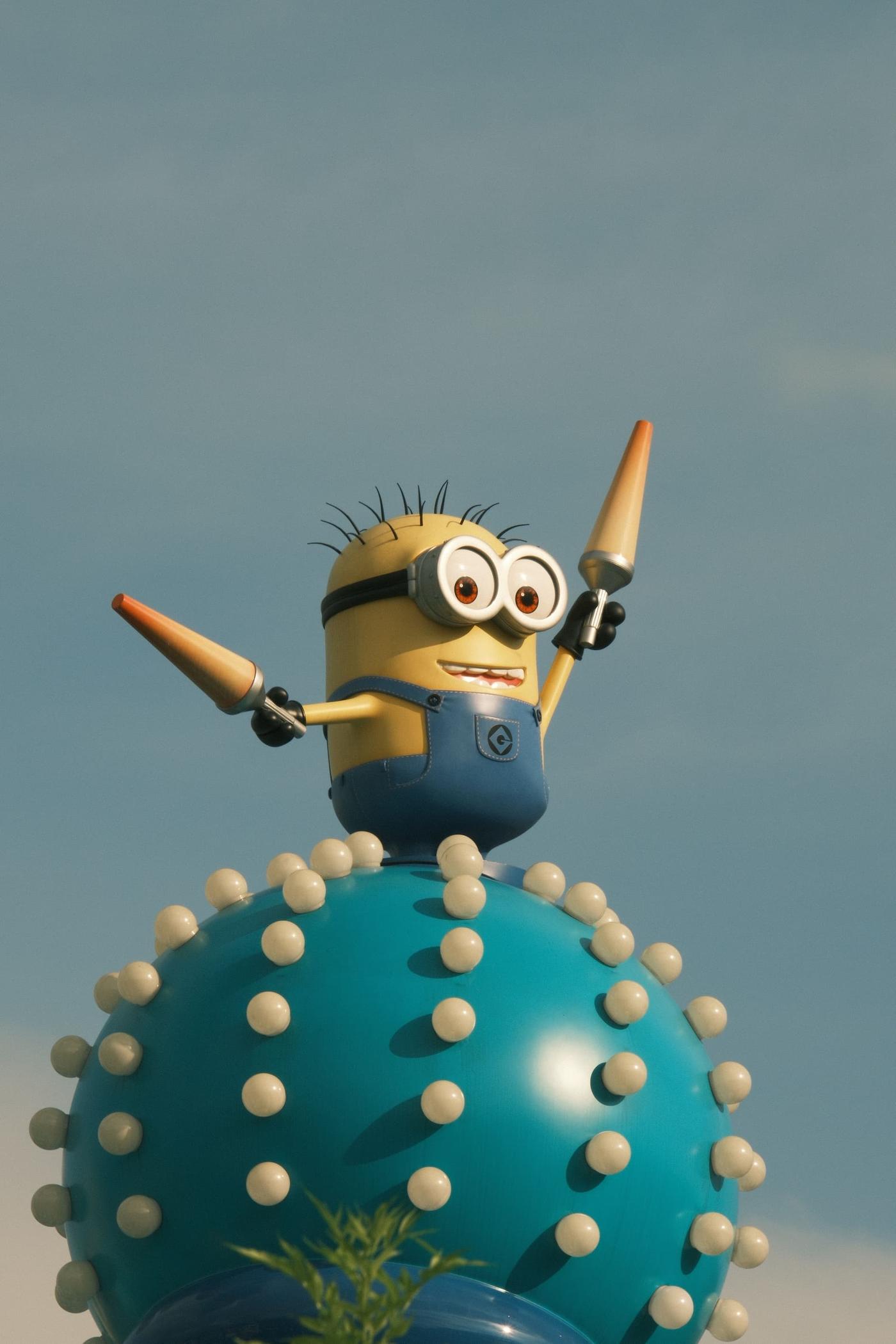
Animation in the 2010s gave us Toy Story 3, Frozen, Spider-Man: Into the Spider-Verse and enough Minions to fill a small country. But some of the decade’s best films slipped into a stranger category: acclaimed when they arrived, quietly loved by the people who saw them, then somehow absent from the conversation a few years later.
That’s worth fixing. These aren’t obscure curiosities you need to make excuses for. They’re five animated movies that still work beautifully, especially now that enough time has passed to see what they were doing differently.
The Adventures of Tintin Is Better Than You Remember
Steven Spielberg directing an animated action movie should probably be a bigger deal than we collectively decided it was.
Released in 2011, The Adventures of Tintin adapted Hergé’s comics using performance-capture animation, with Jamie Bell as Tintin and Andy Serkis as Captain Haddock. The technology attracted plenty of attention at the time, but the movie underneath it got slightly lost.
Watch it now and the filmmaking is ridiculously energetic. Spielberg treats the virtual camera like he’s finally been handed a camera that can go anywhere, leading to chase sequences with transitions and movements that would be nearly impossible in live action.
The film made approximately $374 million worldwide, so calling it a flop would be nonsense. But plans for a sequel have spent well over a decade drifting around without producing another adventure.
That’s a shame. Tintin moves like an Indiana Jones movie that’s had the boring parts surgically removed.
ParaNorman Had More on Its Mind Than Zombies
LAIKA followed Coraline with ParaNorman in 2012, and audiences didn’t quite turn up in the numbers the studio deserved. The stop-motion comedy earned roughly $107 million worldwide, respectable but far from blockbuster territory.
Norman is an 11-year-old who can speak to dead people, which naturally makes him the local weirdo until his Massachusetts town develops a zombie problem. That setup sounds like perfect material for a macabre kids’ comedy. And it is.
But ParaNorman gets sharper as it goes.
Its real subject is what frightened communities do to people they don’t understand. The eventual explanation for the town’s curse turns a goofy supernatural adventure into something sadder and angrier without making the film feel like a lecture.
The animation deserves another look too. LAIKA’s handmade sets and characters give the town a wonderfully crooked personality, and the studio used 3D printing to create thousands of facial expressions for its puppets.
You can practically feel the fingerprints on the thing.
Song of the Sea Proved Smaller Could Be Better
While major studios were chasing increasingly detailed computer animation, Ireland’s Cartoon Saloon went in the opposite direction.
Song of the Sea, released in 2014, looks like a storybook that learned how to move. Director Tomm Moore draws heavily from Irish folklore, particularly the legend of the selkie, a creature that can live as both seal and human.
The story follows Ben and his younger sister Saoirse after the loss of their mother. What begins as a family drama gradually opens into a world of giants, spirits and ancient magic, but the emotional stakes stay intimate.
And that restraint is exactly why the film works.
Song of the Sea earned an Academy Award nomination for Best Animated Feature, losing to Big Hero 6. It never had anything close to Disney-sized commercial visibility, yet its hand-drawn imagery has aged better than plenty of more expensive animation from the same period.
If you missed it because it looked like something made strictly for small children, give it another chance. Preferably at night, with the lights down.
Shaun the Sheep Movie Barely Needs Words
Aardman has always understood something other animation studios occasionally forget: funny movement can do half the writing for you.
The 2015 Shaun the Sheep Movie takes that idea almost absurdly far. There’s practically no conventional spoken dialogue. Instead, Shaun and his flock accidentally send their farmer into the city, then have to leave Mossy Bottom Farm and retrieve him.
That’s enough plot.
The pleasure comes from watching Aardman construct jokes through timing, expressions and tiny physical details. A restaurant sequence involving sheep attempting to behave like humans says more with grunts and nervous glances than many animated comedies manage with celebrity-heavy voice casts.
The movie made approximately $106 million worldwide and received an Oscar nomination for Best Animated Feature. Yet it’s easy to forget just how confidently made it is.
Kids can follow every beat. Adults get jokes that never require the film to elbow them in the ribs. And nobody stops to explain what you’ve just seen.
Kubo and the Two Strings Deserved a Bigger Audience
If one film here deserves immediate reconsideration, make it Kubo and the Two Strings.
LAIKA’s 2016 fantasy follows Kubo, a young storyteller who sets out to uncover his family history while pursued by supernatural enemies. The film combines stop-motion with digital effects, but its physical craftsmanship remains staggering. One giant skeleton puppet reportedly stood around 16 feet tall.
The movie was nominated for two Academy Awards, including Best Animated Feature and Best Visual Effects, an unusually technical nomination for an animated film. Commercially, though, it struggled, earning only around $77 million worldwide against a reported budget of roughly $60 million.
That gap between achievement and audience is still frustrating.
Kubo has sword fights, monsters and a sarcastic beetle voiced by Matthew McConaughey. But its strongest idea is quieter: stories help us keep people after they’re gone.
Why You Should Care
You don’t need to become an animation obsessive to appreciate these films. They’re simply good movies that happened to be animated, and each offers something the decade’s biggest franchises often didn’t: a distinctive visual identity and the confidence to get a little weird.
More importantly, none feels like homework. Pick one for a Friday night and there’s a decent chance you’ll spend the first 20 minutes wondering why nobody talks about it anymore.
What to Watch Next
Start with Kubo and the Two Strings if you want adventure with an emotional punch, or ParaNorman if Halloween viewing sounds better. Then try Song of the Sea when you want something quieter and visually unlike the usual studio animation.
And if those work for you, put The Secret of Kells and The Breadwinner on the list. The 2010s had plenty more hiding between the sequels.

Jude Archer
Author at SofaBreak — writing on media news and everyday curiosities.