The Best Western Films Ever Made, Ranked
Western movies have spent more than a century turning dusty towns, empty horizons, and bad decisions into some of cinema’s most memorable stories

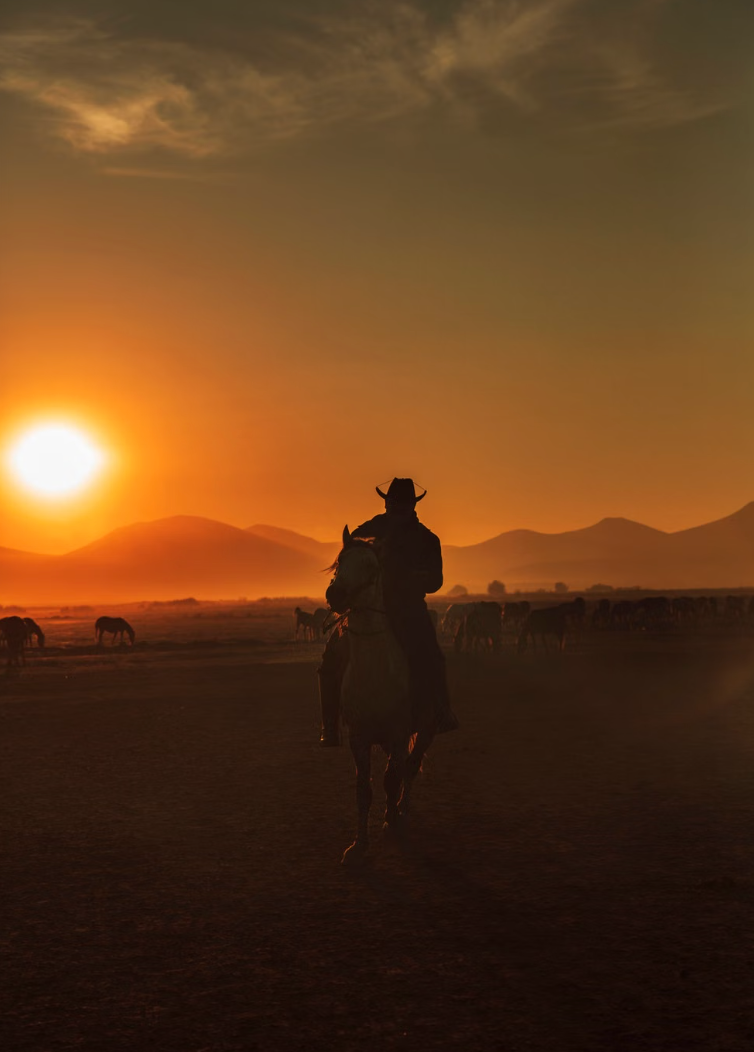
Western movies have spent more than a century turning dusty towns, empty horizons, and bad decisions into some of cinema’s most memorable stories. The genre keeps changing, but its best films still feel immediate because beneath the gunfights and cowboy mythology, they’re usually about greed, loyalty, violence, and what happens when the rules disappear.
10. True Grit (2010)
Joel and Ethan Coen took a story already associated with John Wayne and somehow made it feel completely their own. Their 2010 version of True Grit stars Hailee Steinfeld as Mattie Ross, a stubborn 14-year-old determined to find the man who killed her father, with Jeff Bridges playing the permanently disheveled U.S. Marshal Rooster Cogburn.
The film earned 10 Academy Award nominations, and Steinfeld was only 14 when it reached theaters. But the real pleasure is watching Mattie refuse to be treated like a child while surrounded by men who continually underestimate her.
9. The Assassination of Jesse James by the Coward Robert Ford (2007)
The title tells you exactly where this is going. That doesn’t make getting there any less tense.
Brad Pitt plays Jesse James as a celebrity outlaw who has started watching everyone around him for signs of betrayal. Casey Affleck’s Robert Ford idolizes Jesse until admiration curdles into resentment. Roger Deakins’ photography gives the movie a hazy, almost dreamlike beauty, but there’s something uncomfortable underneath every gorgeous frame.
At roughly 160 minutes, it asks for patience. It rewards it.
8. The Wild Bunch (1969)
Sam Peckinpah’s The Wild Bunch arrived in 1969 and made the traditional Hollywood Western look suddenly old-fashioned. Its aging outlaws aren’t riding toward glory. They’re men who know their time is almost over and haven’t figured out what comes next.
The violence caused controversy on release, particularly Peckinpah’s use of slow motion and rapid editing during the gunfights. Decades later, you can see its fingerprints across action cinema. More importantly, the violence has consequences. Nobody walks through a shootout looking cleaner than when they entered it.
7. Unforgiven (1992)
Clint Eastwood spent decades becoming one of the Western’s defining faces, then directed a movie that questions almost everything those earlier films taught audiences to admire.
Eastwood plays William Munny, a former killer who reluctantly accepts one more job. The setup sounds familiar. The execution isn’t. Unforgiven strips away the glamour surrounding gunfighters and replaces it with fear, regret, bad weather, and people who aren't nearly as fearless as their reputations suggest.
It won four Oscars, including Best Picture and Best Director. That Best Picture win also made it one of the rare Westerns to take Hollywood’s top prize.
6. The Searchers (1956)
There’s an image in John Ford’s The Searchers that has become inseparable from Western cinema: John Wayne framed in a doorway, standing between the domestic world behind him and the wilderness outside.
Wayne’s Ethan Edwards spends years searching for his abducted niece, but he’s no straightforward hero. His racism and obsession make him increasingly disturbing company, and parts of the film’s portrayal of Native Americans have aged badly.
That tension is precisely why the movie still invites debate. It helped establish the visual language of the modern Western while complicating the kind of hero Wayne had become famous for playing.
5. Once Upon a Time in the West (1968)
Sergio Leone knew audiences understood Western clichés. So he stretched them until they became almost operatic.
The opening alone spends minutes on three gunmen waiting at a railway station, with squeaking machinery, buzzing flies, and dripping water doing much of the soundtrack’s work. Then Charles Bronson arrives.
Henry Fonda’s casting as the villain remains the film’s nastiest trick. Audiences knew him as a reassuring screen presence, which makes his cold-eyed Frank especially effective. Add Ennio Morricone’s score and you get a Western that seems to move slowly until you realize every pause is tightening the screw.
4. No Country for Old Men (2007)
Yes, it counts.
The Coen brothers’ adaptation of Cormac McCarthy’s novel trades horses for pickup trucks and pushes the frontier into 1980s Texas. Josh Brolin’s Llewelyn Moss finds approximately $2 million after a drug deal goes wrong, takes the money, and attracts the attention of Javier Bardem’s Anton Chigurh.
The film won four Academy Awards, including Best Picture, and Bardem took Best Supporting Actor. Strip away the modern setting and the Western bones are obvious: empty landscapes, men chasing money, violence arriving without warning, and an aging lawman wondering whether he understands the world anymore.
3. The Good, the Bad and the Ugly (1966)
Three men want the same buried fortune. Sergio Leone needs nearly three hours to settle the matter, and almost none of that time feels wasted.
Clint Eastwood, Lee Van Cleef, and Eli Wallach circle one another through the chaos of the American Civil War, forming alliances whenever convenient and breaking them just as quickly. Morricone’s main theme became one of the most recognizable pieces of film music ever recorded.
Then there’s the cemetery showdown. Three men. One graveyard. Almost no dialogue. Few Westerns have understood suspense better.
2. High Noon (1952)
High Noon has a brutally simple premise. Marshal Will Kane, played by Gary Cooper, learns that a criminal he helped send to prison is arriving on the noon train, and the townspeople he protected would rather he quietly leave.
The movie unfolds in roughly real time across about 85 minutes. That ticking-clock structure gives it a tension that still works more than 70 years later.
Cooper won the Academy Award for Best Actor, but the film’s lasting power comes from something less comfortable. You keep watching Kane ask for help. And you keep watching respectable people find reasons to say no.
1. The Good, the Bad and the Ugly Has Competition, but The Treasure of the Sierra Madre (1948) Takes It
John Huston’s The Treasure of the Sierra Madre isn’t the cleanest fit if your definition of a Western requires cowboys and cattle drives. But if the genre is about desperate people testing themselves against money, violence, wilderness, and one another, it belongs near the center of the conversation.
Humphrey Bogart plays Fred C. Dobbs, a broke American who joins two other men searching for gold in Mexico. What follows is less an adventure than a slow-motion study of paranoia. The more gold Dobbs gets, the less secure he feels.
Huston won Oscars for directing and screenplay, while his father, Walter Huston, won Best Supporting Actor. And unlike plenty of classics you admire mainly because you know you’re supposed to, this one still bites.
Why You Should Care
You don’t need to own cowboy boots or know the difference between John Ford and a Ford pickup to enjoy these movies. The best Westerns are thrillers, character dramas, crime stories, and moral arguments wearing dust-covered hats.
Start with the film closest to what you already like. If you love crime movies, try No Country for Old Men. Want something huge and stylish? Go with The Good, the Bad and the Ugly. Prefer a tight 90-minute pressure cooker? High Noon is waiting.
What to Watch Next
Once you’ve worked through the heavy hitters, queue up Tombstone (1993) for Val Kilmer’s scene-stealing Doc Holliday, 3:10 to Yuma (2007) for Russell Crowe and Christian Bale facing off in a lean modern remake, and The Proposition (2005) if you want to see what happens when Western mythology gets dropped into the Australian Outback.
The Western keeps surviving because filmmakers keep finding new things buried beneath the familiar iconography. Change the decade, the country, or even the horses, and that lonely figure on the horizon still has somewhere to go.

Devon Walker
Author at SofaBreak — writing on media news and everyday curiosities.