Why Audiobooks Are Now Outselling Physical Books
A few years ago, audiobooks felt like a handy extra for long commutes. Now they're a major force in publishing, with more listeners choosing to press play

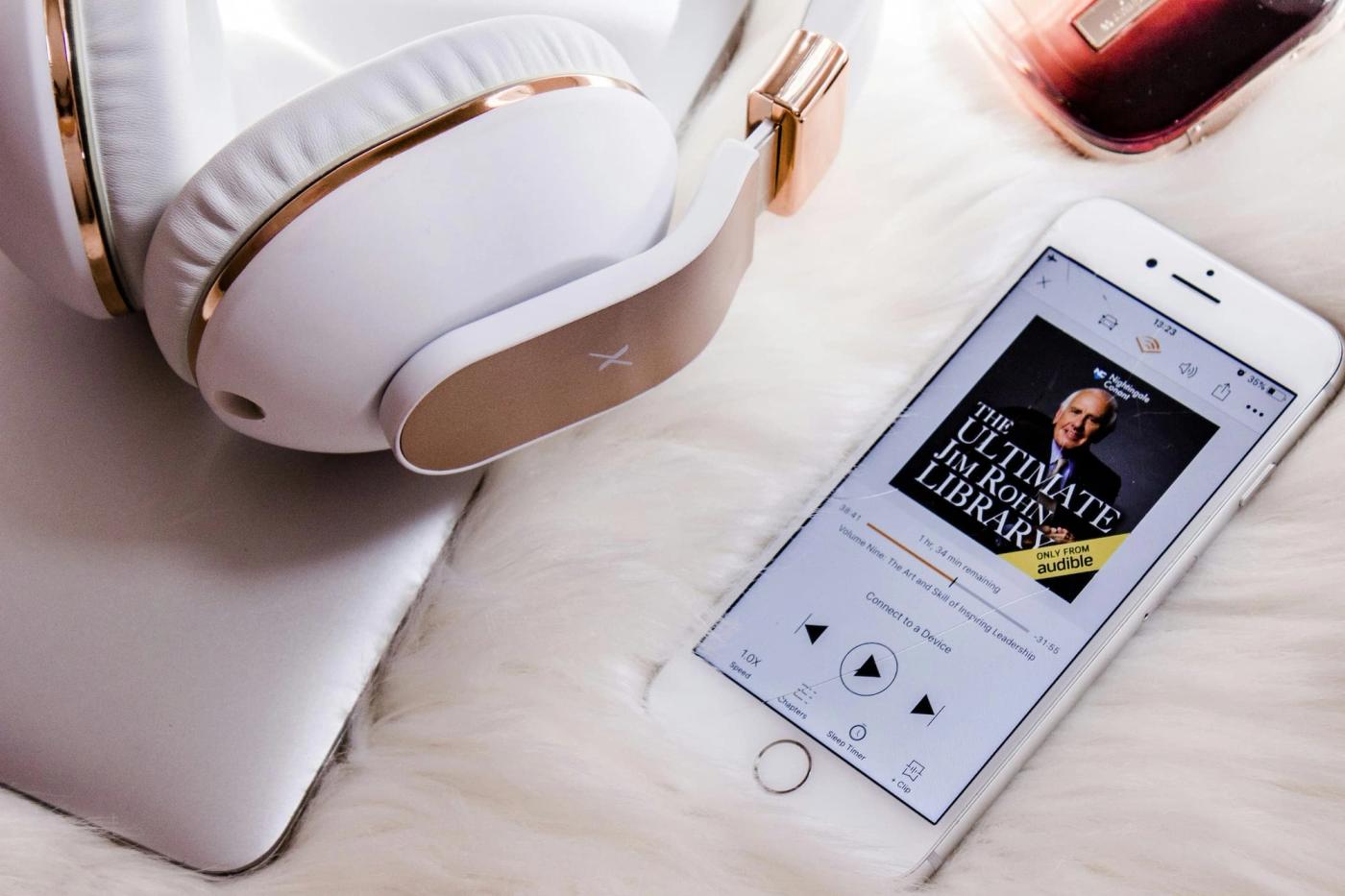
A few years ago, audiobooks felt like a handy extra for long commutes. Now they're a major force in publishing, with more listeners choosing to press play than crack open a paperback in several fast-growing parts of the market. That shift matters because it isn't just changing how books are sold. It's changing what gets published, who gets discovered, and how you fit reading into a busy day.
The Numbers Tell a Bigger Story
The headline sounds dramatic, but it's worth adding some context. In several major categories, particularly among younger readers and digital-first audiences, audiobook sales have overtaken physical copies for popular new releases. Industry reports have also shown steady growth while many print categories have flattened after the pandemic boom. According to the Audio Publishers Association, audiobook revenue in the United States reached approximately $2 billion in 2023, continuing more than a decade of annual growth.
Meanwhile, printed books haven't disappeared. They're still hugely popular, especially for collectors, children's books, and gift purchases. But audiobooks have moved from a niche format into the mainstream because they fit the way many people already live.
That's the part that changes everything. Reading no longer requires uninterrupted free time.
Your Commute Became Reading Time
You probably know someone who claims they "don't have time to read." Then they finish three audiobooks in a month while driving to work, walking the dog, or folding laundry.
That's the biggest advantage audiobooks have over print. They turn moments that used to be dead time into reading time. Streaming services have trained us to expect entertainment wherever we are, and audiobooks slot neatly into that habit.
Subscription platforms have accelerated the trend. Instead of spending $25 on a hardcover, many listeners pay one monthly fee for access to large libraries or discounted credits. Once you're already paying, trying another book feels almost effortless.
The technology has improved too. Narration quality is higher than it was ten years ago, with many bestselling titles performed by professional actors or even the authors themselves. Michelle Obama's Becoming (published in 2018) won a Grammy for Best Spoken Word Album, and many listeners argue her narration adds emotional weight that doesn't fully come across on the page.
Great Narrators Turn Books Into Performances
An audiobook isn't simply someone reading aloud. The best ones feel closer to a one-person theatre performance.
Take Andy Serkis narrating J.R.R. Tolkien's The Hobbit. Fans already knew Serkis from his motion-capture work as Gollum, but his audiobook performance brought dozens of voices to life in a way that felt fresh even for readers who knew every chapter. Or consider Trevor Noah's Born a Crime (released in 2016), where the comedian switches naturally between multiple South African languages and accents. That's something print can describe, but audio lets you hear.
You've probably noticed another trend. Publishers increasingly market narrators alongside authors because listeners often follow performers just as film fans follow actors.
This has created a different kind of bestseller. A strong narrator can introduce thousands of new listeners to an author they might never have picked up in a bookstore.
Physical Books Still Have Something Audio Can't Replace
Print isn't losing because it's worse. It's competing on different strengths.
A beautifully designed hardcover offers something an audio file never can. You can lend it to a friend, display it on a shelf, scribble notes in the margins, or flip back to a favourite passage in seconds. That's why deluxe editions and special collector releases continue to sell well despite the rise of digital formats.
There's also the simple pleasure of disconnecting from screens and headphones. Many readers switch between formats depending on the situation. They might listen during the week and read a physical copy before bed.
Even BookTok reflects this split. A novel can explode on TikTok because people recommend the audiobook, then buy the hardcover to keep. Those aren't competing purchases. They're often complementary ones.
Why You Should Care
Even if you still prefer paperbacks, the audiobook boom affects what you'll see on bookstore shelves. Publishers are investing more heavily in audio-first marketing, celebrity narrators, and books that perform well across multiple formats.
For you, the biggest benefit is choice. Reading no longer depends on finding a quiet afternoon. Whether you're exercising, travelling, or tackling household chores, there's a good chance you can finish more books than you thought possible without changing your schedule.
What to Read Next
If you're curious about why audiobooks have become such a huge part of modern entertainment, start with titles that make the most of the format rather than simply translating print to audio.
Born a Crime by Trevor Noah remains one of the strongest narrator-led memoirs available, largely because Noah performs his own stories with warmth and comic timing. Michelle Obama's Becoming is another excellent pick if you enjoy personal storytelling that feels conversational. If fiction is more your style, Andy Serkis's narration of The Hobbit proves how a familiar classic can feel brand new with the right performance behind the microphone.
You don't have to choose between shelves and headphones. Most readers won't. But the fastest-growing part of publishing has already made its choice, and it's betting that the best place to finish your next book isn't always your sofa. Sometimes it's the morning commute.

Clara Rhodes
Author at SofaBreak — writing on media news and everyday curiosities.