Why Competitive Esports Is Finally Breaking Into the Mainstream
Millions of people already watched competitive gaming long before most television networks or mainstream sports pages paid attention.

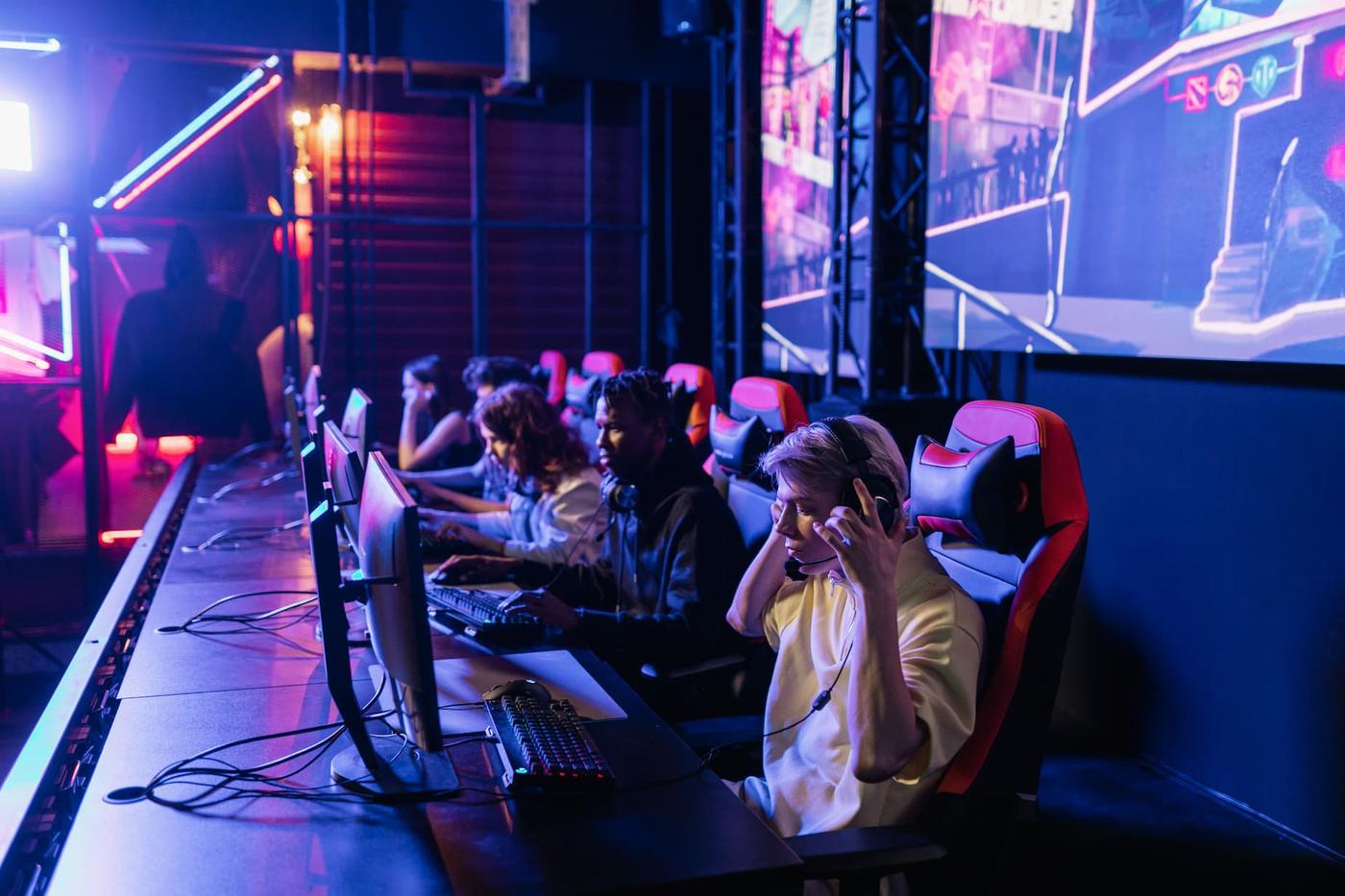
Millions of people already watched competitive gaming long before most television networks or mainstream sports pages paid attention. What's changed is that the rest of the entertainment world has finally caught up. Between packed arenas, streaming platforms, and major brands treating esports as long-term investments, competitive gaming has become much harder to dismiss as a niche hobby.
The Audience Was Always There
If you've only glanced at esports from a distance, it's easy to assume the excitement appeared overnight. It didn't. The audience spent years growing while traditional media looked the other way.
Take the 2024 League of Legends World Championship. Riot Games reported peak viewership of approximately 6.9 million concurrent viewers, excluding Chinese platforms, making it one of the biggest esports broadcasts ever. That's the kind of audience many traditional sporting events would love to attract. Add regional leagues, creator watch parties, and highlights shared across social media, and you end up with a fan base that's impossible to ignore.
The same pattern has played out across games like Counter-Strike 2, Valorant, and Dota 2. Each has built loyal communities that don't just watch championships. They follow player transfers, coaching changes, and tournament storylines in exactly the same way football or basketball fans follow their favorite teams.
And that's where things become interesting. You're no longer watching people play games. You're following personalities, rivalries, and moments that keep paying off over an entire season.
Streaming Changed the Rules
The biggest reason esports feels more mainstream today isn't television. It's the internet doing what television couldn't.
Platforms like Twitch and YouTube let fans watch live matches, player streams, post-game analysis, and community discussions without waiting for broadcasters to decide what deserves airtime. That constant access helped esports develop its own culture before larger media companies realized what they were missing.
Then celebrities and traditional sports organizations joined in. Football clubs launched esports divisions. Formula One teams signed sim racers. NBA franchises invested in competitive gaming leagues. None of those moves happened because gaming suddenly became fashionable. They happened because the audience numbers already justified the investment.
Even Hollywood has noticed. The Gran Turismo film, released in 2023, earned approximately $120 million worldwide while telling the true story of gamer-turned-racing driver Jann Mardenborough. It's another reminder that competitive gaming stories now appeal well beyond existing fans.
The Players Feel More Like Athletes Than Ever
One stereotype refuses to disappear: that professional gamers simply sit in front of a monitor all day.
The reality is less glamorous and much more demanding. Top teams schedule structured practice blocks, review match footage, work with analysts, and often employ nutritionists, psychologists, or fitness coaches. A player competing in an international tournament might spend eight to ten hours each day preparing for opponents, testing strategies, and refining communication with teammates.
Former League of Legends world champion Lee "Faker" Sang-hyeok once summed up professional improvement with a simple philosophy: "Practice doesn't betray you." That quote has become part of esports culture because it reflects what success actually looks like. Talent matters. Repetition matters more.
You don't have to understand every strategy call or mechanical trick to appreciate that level of discipline. Most sports fans admire preparation as much as the final result. Esports has reached the point where that same respect feels deserved.
Why Big Events Now Feel Like Pop Culture
Competitive gaming has stopped living in its own corner of the internet.
Opening ceremonies now feature live music performances, cinematic trailers, celebrity guests, and production values that rival major award shows. Tournament venues regularly sell out thousands of seats, while millions more tune in online from around the world.
Publishers have also become much better at turning championships into entertainment events rather than technical competitions. Even if you don't understand every ability in Valorant or every objective in League of Legends, you can still appreciate a dramatic comeback, a clutch final round, or an underdog team upsetting a tournament favorite.
That's familiar territory. Sports fans have enjoyed those stories for decades. Esports simply delivers them through different games.
Why You Should Care
You don't need to memorize team rosters or understand every patch update to enjoy esports. If you already like compelling competition, memorable personalities, and high-pressure moments, you're already most of the way there.
Competitive gaming has become another branch of modern entertainment, sitting alongside movies, streaming series, and traditional sports instead of competing against them. Ignoring it now means missing one of the fastest-growing spectator experiences of the past decade.
What to Watch, Read, or Play Next
If this has made you curious, start with Arcane (2021), which turns the League of Legends universe into one of the highest-rated animated series in recent years. Then watch Gran Turismo (2023) for a true story that connects gaming with real-world motorsport. Finally, download Valorant or League of Legends and watch a professional match afterward. Seeing the difference between casual play and elite competition is where esports really starts to make sense.

Ira kapoor
Author at SofaBreak — writing on media news and everyday curiosities.