Why Folk and Indie Music Is Having a Quiet But Massive Revival
Streaming charts still belong to pop, hip-hop, and country, but something quieter has been happening in the background.

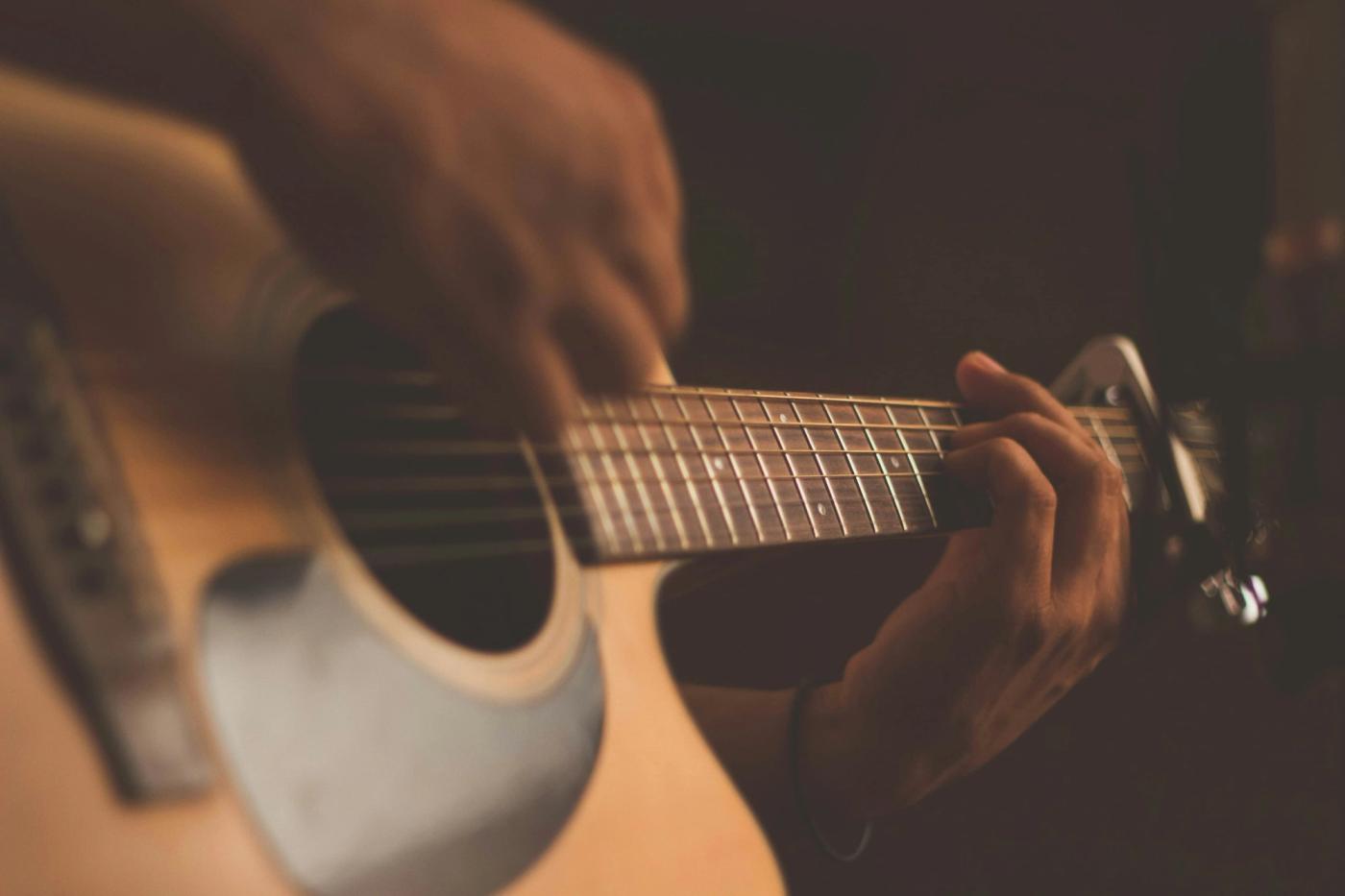
Streaming charts still belong to pop, hip-hop, and country, but something quieter has been happening in the background. Folk and indie music are pulling in bigger audiences than they've seen in years, helped by social media, TV soundtracks, and listeners who seem increasingly drawn to songs that feel personal rather than polished.
You can hear it in sold-out theater tours, viral acoustic performances, and playlists that mix Noah Kahan with Fleet Foxes or Phoebe Bridgers with Joni Mitchell. It's not a sudden trend. It's been building for several years, and now it's becoming difficult to ignore.
The Streaming Numbers Tell a Bigger Story
The revival isn't about one artist breaking through. It's about a whole scene finding new listeners at once.
Noah Kahan's Stick Season, released in 2022, became one of the defining folk-pop records of the decade after exploding on TikTok and streaming platforms. Songs that might once have stayed inside indie circles suddenly reached mainstream audiences, helping the album climb charts well into 2023 and 2024. At the same time, artists like Zach Bryan, Adrianne Lenker, Big Thief, Bon Iver, and Lizzy McAlpine proved there was plenty of room for acoustic songwriting alongside blockbuster pop releases.
Even older records are finding fresh audiences. Fleet Foxes' 2008 debut and Sufjan Stevens' Carrie & Lowell (2015) regularly appear in curated playlists that attract younger listeners discovering these albums for the first time.
The pattern matters because streaming rewards long-term listening. Instead of disappearing after release week, these albums keep returning whenever someone wants music that slows the pace rather than speeding it up.
Social Media Changed the Rules
For years, folk music struggled because it didn't always fit the attention economy. Then creators started posting stripped-back performances recorded in bedrooms, forests, parked cars, and tiny apartments. Suddenly, authenticity became the selling point.
TikTok has helped countless artists reach millions without expensive production. A song recorded with little more than an acoustic guitar often feels more memorable than one packed with studio effects. That doesn't mean listeners stopped enjoying polished pop. It means they've added something else to the mix.
Even established musicians have leaned into that shift. Taylor Swift's surprise albums Folklore and Evermore, both released in 2020, introduced many pop fans to indie-folk textures through collaborations with Aaron Dessner of The National and Bon Iver. Folklore went on to win the Grammy for Album of the Year, giving the genre another high-profile moment.
Because once listeners get comfortable with that sound, they rarely stop with one album. Recommendations quickly lead from mainstream names to independent artists who have been making similar music for years.
Film and TV Keep Sending People Back
Some of folk's biggest wins haven't happened on music charts at all.
Television series and films increasingly use intimate acoustic songs to create emotional moments. Shows like Normal People (2020) and The Bear have introduced viewers to artists they might never have searched for on their own. A single placement can send streams soaring overnight.
Then there's the soundtrack effect. Viewers hear one song during a memorable scene, add it to a playlist, and start exploring the artist's catalogue. That's exactly how songs from Phoebe Bridgers, Angus & Julia Stone, Gregory Alan Isakov, and Novo Amor have continued finding new audiences.
Review scores also reflect the genre's strong creative run. Phoebe Bridgers' Punisher (2020), for example, holds a Metacritic score of approximately 90, making it one of the best-reviewed albums of its release year.
Quality alone never guarantees popularity. But when critically acclaimed records meet algorithm-driven discovery, they stick around much longer than they used to.
Why You Should Care
You don't need to own a record player or know every obscure singer-songwriter to appreciate what's happening.
Folk and indie music reward attention without demanding it. These songs work during a morning commute, a late-night walk, or while you're cooking dinner. They leave space for you rather than competing for every second of your focus.
That's probably why so many listeners have embraced them during the last few years. After endless playlists built around maximum energy, quieter music feels refreshing instead of old-fashioned.
What to Watch, Read, or Play Next
If you're curious where this revival leads, start with Noah Kahan's Stick Season. It's accessible enough for pop fans but rooted in classic folk storytelling.
Then spend time with Phoebe Bridgers' Punisher if you enjoy introspective songwriting that rewards repeat listens. Finally, revisit Fleet Foxes' self-titled debut (2008), an album that helped shape much of today's indie-folk sound long before it became fashionable again.
The biggest surprise about folk's return isn't that it happened. It's that it arrived without demanding attention. While louder genres competed for headlines, acoustic storytelling quietly rebuilt its audience one recommendation, one soundtrack placement, and one late-night playlist at a time. Sometimes the strongest comeback is the one you barely notice until it's already everywhere.

Ira kapoor
Author at SofaBreak — writing on media news and everyday curiosities.