10 Coral Reef Facts Scientists Are Racing to Document
A coral reef can look permanent, like an underwater city that’s been sitting there forever. But scientists are discovering that reefs change, communicate, reproduce

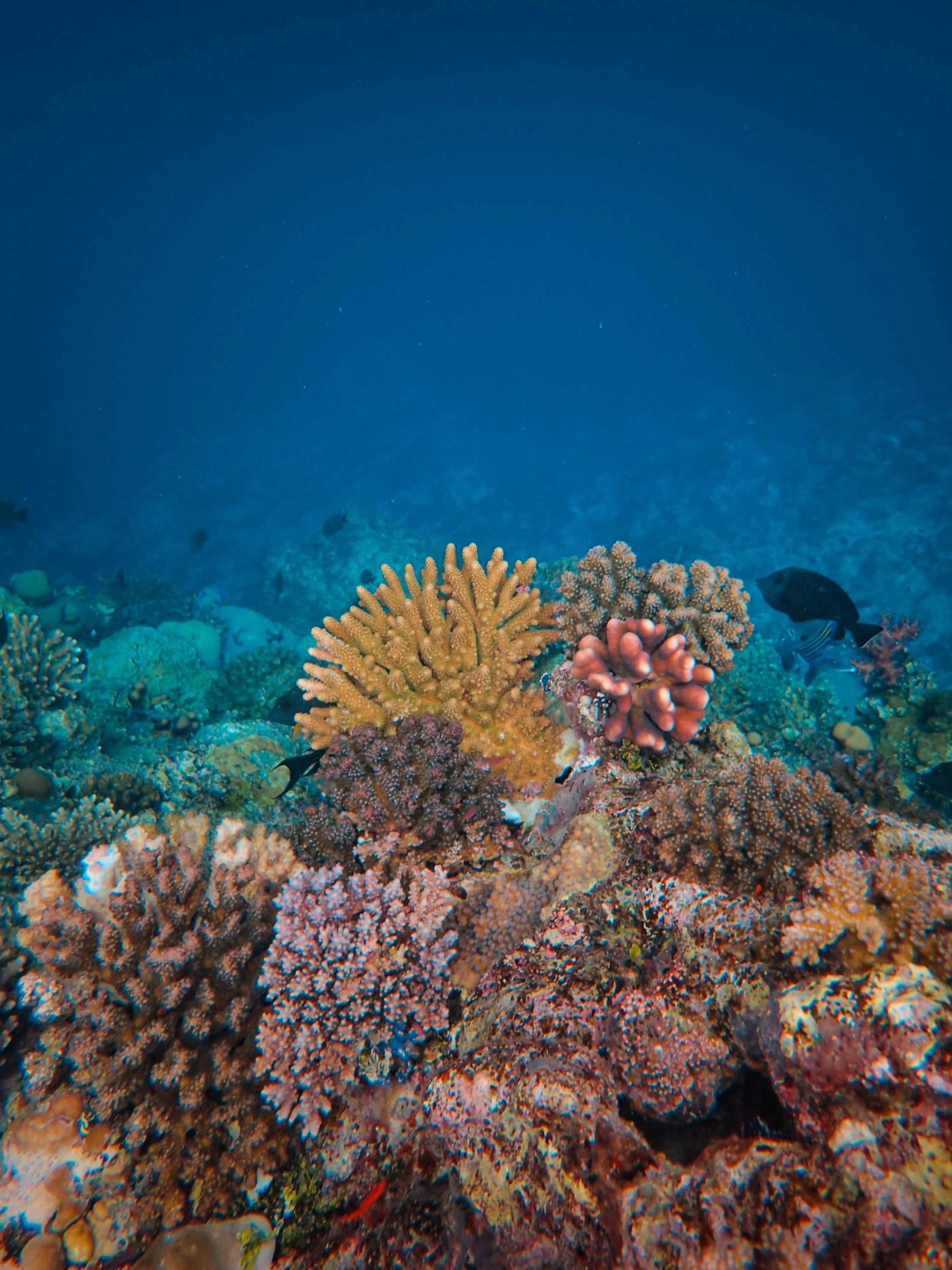
A coral reef can look permanent, like an underwater city that’s been sitting there forever. But scientists are discovering that reefs change, communicate, reproduce and respond to stress in ways we’re still figuring out, right as extreme ocean heat makes that research more urgent than ever.
Some of the strangest discoveries involve animals that look like rocks, glow under blue light and occasionally coordinate their sex lives with the moon.
Reefs Are Stranger Than They Look
1. Coral is an animal, not a plant
That colorful branch you’re looking at contains thousands of tiny animals called polyps, relatives of jellyfish and sea anemones. Each polyp has a mouth surrounded by tentacles armed with stinging cells for catching food. Many reef-building corals also house microscopic algae inside their tissues. The algae turn sunlight into energy and share some of it with their coral hosts, creating one of nature’s weirdest roommate arrangements.
2. A reef can host a quarter of marine species
Coral reefs occupy only about 1% of the world’s marine environment, yet roughly a quarter of marine species use them. That means a relatively tiny patch of ocean can function like an underwater apartment complex, nursery and restaurant at once. Fish grab most of the attention, but reefs also shelter crabs, worms, mollusks and countless smaller creatures you’d probably swim straight past. Around 500 million people also depend on reef fisheries for their livelihoods.
3. Some corals can clone themselves
Coral reproduction gets much stranger than eggs meeting sperm. A polyp can bud and produce a genetically identical copy, while pieces broken from certain colonies can settle somewhere else and grow into new colonies. A storm smashing coral apart can therefore create destruction and potential new growth at the same time. Scientists call that second process fragmentation, and researchers also use versions of it when growing corals for reef restoration projects.
The Reef Has a Calendar
4. Hundreds of corals can spawn around the same time
On certain nights, a reef can suddenly fill with tiny bundles of eggs and sperm floating toward the surface. Many coral species synchronize this mass spawning around lunar cycles, water temperature and seasonal conditions. On the Great Barrier Reef, hundreds of species may reproduce across spawning periods following full moons. The timing gets so precise that scientists can prepare aquarium corals and research teams in advance, waiting for an event that may last only a few nights.
5. Baby corals start life as swimmers
Adult reef-building corals spend their lives attached to a surface, but their offspring can travel. After fertilization, a coral embryo develops into a tiny larva called a planula that moves through the water before choosing somewhere to settle. Then comes the dramatic part: it transforms into a polyp and begins building a colony. Some larvae settle within hours, while others spend days or weeks searching before committing to their permanent address.
6. Some corals ignore the main spawning night
The famous synchronized spawning event doesn’t include everybody. Some species reproduce outside the main window, while others brood developing larvae rather than releasing eggs and sperm together. Researchers have also documented “split spawning,” when mass reproduction gets divided across consecutive months. At Western Australia’s Scott Reef, observations from 2007 to 2016 found split spawning roughly every two to three years. Even the reef’s most famous biological calendar has exceptions.
Corals Keep Records We Can’t Replace
7. Some corals are older than entire civilizations
Deep beneath the surface, certain corals grow at a painfully slow pace and can survive for thousands of years. Scientists estimated one Hawaiian gold coral colony at about 2,742 years old. A black coral colony from Hawaii reached an estimated 4,265 years. That animal was already alive when the Great Pyramid of Giza was ancient history. Damage one of these colonies, and you can destroy biological growth that no human lifetime could replace.
8. Coral skeletons can work like ocean history books
Long-lived corals don’t merely survive history. They record it. Some deep-sea bamboo and black corals build skeletons in layers that researchers can examine much like tree rings. Chemical clues inside those layers can reveal changes in ocean temperature, nutrients and acidity across decades or centuries. A coral collected today might therefore contain environmental information from long before thermometers, satellites or research ships started monitoring that patch of ocean.
Scientists Are Watching the Clock
9. Bleaching doesn’t automatically mean a coral is dead
When heat stresses many corals, they expel the microscopic algae living in their tissues. Their transparent tissue then exposes the white skeleton underneath, producing the ghostly appearance we call bleaching. But a bleached coral can remain alive and sometimes recover if conditions improve. NOAA documented a boulder star coral in St. Croix progressing from healthy to bleached in 2023, then recovering by March 2024. White can mean crisis without necessarily meaning the end.
10. The latest global bleaching event broke every previous record
This is why scientists feel such urgency. NOAA says the fourth global coral bleaching event likely ended in mid-2025 after bleaching-level heat stress affected about 84% of the world’s coral reef area from early 2023 onward. Researchers documented mass bleaching across at least 83 countries and territories. Yet some reefs resisted bleaching despite intense heat, and scientists are now studying those survivors for clues that could help restoration efforts protect future generations of coral.
A reef can preserve thousands of years of ocean history and still change dramatically within a single hot season. Share this with someone who’d never believe number 7 was an animal older than most civilizations.

James Roberts
Author at SofaBreak — writing on facts and everyday curiosities.