10 Earthquake Facts That Explain Why We Still Cannot Predict Them
You can predict tomorrow's weather with surprising accuracy. You can even estimate when a distant comet will swing past Earth decades from now.

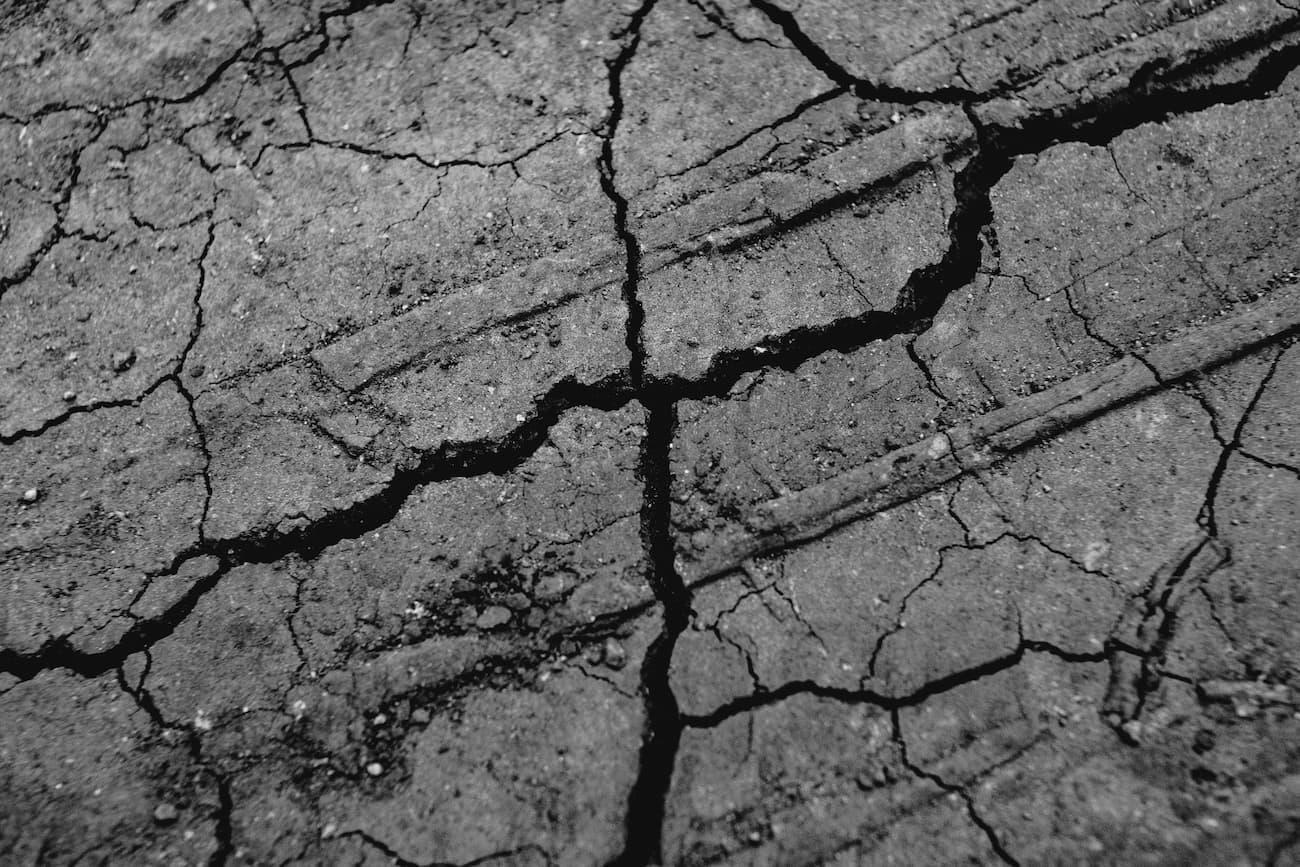
You can predict tomorrow's weather with surprising accuracy. You can even estimate when a distant comet will swing past Earth decades from now. Yet nobody can tell you the exact time and place of the next major earthquake. That gap between what science knows and what it still can't do turns out to be far stranger than most people realize.
When the Ground Refuses to Give Straight Answers
1. Every fault behaves differently
No two earthquake faults act exactly alike. Some creep along almost silently for years, while others stay locked until they suddenly snap. Even neighboring sections of the same fault can behave like completely different systems. That's why scientists can't create one universal prediction model. The Earth's crust acts more like thousands of unique personalities than one giant machine following the same script.
2. Tiny earthquakes don't always warn you
You've probably heard that small earthquakes release pressure. Sometimes they do. Other times they lead to something much bigger. A swarm of tiny quakes might fade away after a day, or it might come before a powerful event. Scientists have found examples of both. The frustrating part? Those early shakes often look almost identical until the outcome finally reveals itself.
3. The pressure builds where nobody can see
Earthquakes begin several kilometers below the surface, hidden inside solid rock. Nobody can drill deep enough across every active fault to watch stress build in real time. Scientists rely on GPS stations, satellites, and sensitive instruments instead. Those tools reveal movement at the surface, but the real action happens far below, where direct measurements remain almost impossible.
4. Rocks don't fail the same way twice
Imagine bending two paper clips made in the same factory. One might snap quickly while the other bends much farther before breaking. Rocks behave like that too. Temperature, moisture, mineral makeup, and countless tiny cracks all affect when they finally give way. That means two faults under similar pressure can produce completely different results without any obvious warning.
5. Animals don't have a secret earthquake sense
Stories about dogs barking, birds flying away, or snakes leaving their burrows pop up after almost every major earthquake. Researchers have looked for reliable patterns for decades. Some animals probably notice tiny vibrations or chemical changes before people do. But no species reacts consistently enough to predict earthquakes. If animals truly held the answer, scientists would've noticed the pattern long ago.
The Planet Is More Complicated Than It Looks
6. Earth's crust never really stops moving
You might picture continents as fixed pieces of land, but they never stop shifting. Most tectonic plates move only a few centimeters each year, about as fast as your fingernails grow. That sounds slow until you remember the movement never pauses. Year after year, that steady motion stores enormous amounts of energy until a fault finally slips in just a few seconds.
7. Big earthquakes can trigger distant ones
One powerful earthquake can send seismic waves around the entire planet. Those waves sometimes shake faults thousands of kilometers away. Scientists have documented cases where distant faults became more active after massive earthquakes. The twist is that this doesn't happen every time. A huge quake might disturb another fault, or it might leave it completely unchanged. Nature refuses to follow a simple rulebook.
8. Scientists can forecast risk, just not exact dates
This sounds like a contradiction, but it isn't. Researchers can identify regions with a high chance of large earthquakes over the next few decades based on fault activity and historical records. That's very different from predicting that an earthquake will strike next Tuesday at 3:17 p.m. Think of it like knowing hurricane season brings more storms without knowing the exact day each one forms.
Why Prediction Still Stays Out of Reach
9. False alarms carry huge consequences
Imagine ordering millions of people to evacuate a city because a computer predicts a major earthquake tomorrow. If nothing happens, businesses close, hospitals struggle, emergency services lose trust, and future warnings carry less weight. Scientists need prediction methods that prove reliable again and again before governments can act on them. Right now, no system comes close to meeting that standard.
10. Better technology keeps revealing new mysteries
Modern satellites can detect ground movement measured in millimeters. Artificial intelligence can sift through mountains of seismic data in minutes. Dense sensor networks record vibrations that older equipment completely missed. You'd expect all that technology to solve the puzzle. Instead, every breakthrough uncovers another layer of complexity. Scientists understand earthquakes far better than they did fifty years ago, yet the exact moment a fault will break still slips through their fingers.
Earthquakes remind you that even with incredible technology, our planet keeps a few secrets. Share this with someone who thinks scientists already know exactly when the next big one will strike.

Jude Archer
Author at SofaBreak — writing on facts and everyday curiosities.