10 Food Facts That Will Change How You Look at Your Plate
You probably trust your fridge more than your instincts. Cold food feels safe. Bright vegetables look healthy.

You probably trust your fridge more than your instincts. Cold food feels safe. Bright vegetables look healthy. A banana seems simple enough. But the stuff on your plate hides some genuinely weird stories once you look closer. And after you learn a few of them, grocery shopping starts to feel a little different.
Things Your Dinner Never Told You
1. Bananas Are Technically Berries Meanwhile, strawberries aren't. Botanists classify berries by how the fruit develops, not by how it tastes or looks. Bananas qualify because they grow from a single flower with one ovary. Strawberries fail because their seeds sit on the outside. The weirdest part? Eggplants count as berries too. Your smoothie suddenly sounds less healthy and more like a science experiment from somebody who ignored common sense entirely.
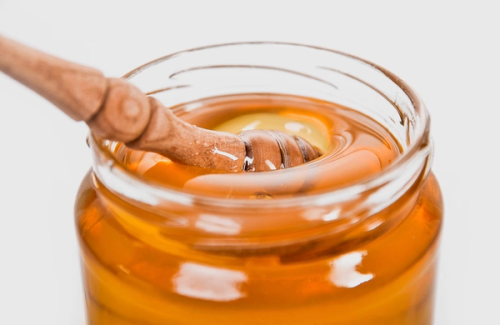
2. Honey Basically Never Expires Archaeologists found pots of honey in ancient Egyptian tombs that still looked edible after thousands of years. Honey lasts because bees create a hostile environment for bacteria. It contains very little water and packs enough acid to stop most microbes from growing. But your grocery store honey might still crystallize over time. That doesn't mean it spoiled. Warm it gently, and it turns smooth again like nothing happened.
3. Carrots Used To Be Purple The orange carrot showed up much later than most people think. Farmers in the Netherlands cultivated orange versions in the 17th century, possibly to honor the Dutch royal family, the House of Orange. Before that, carrots came in purple, yellow, white, and red varieties. Purple carrots still exist today, and they contain anthocyanins, the same antioxidant pigments found in blueberries. Your modern carrot sticks are basically a successful rebrand.
4. Wasabi You Eat Probably Isn't Wasabi Most restaurant "wasabi" contains horseradish, mustard powder, and green food coloring. Real wasabi grows slowly, costs a fortune, and loses flavor within about 15 minutes after grating. That's why many sushi places skip the real thing entirely. Authentic wasabi tastes fresher and sweeter than the sharp nose-punch version most people know. Once you've tried the real stuff, the fake paste feels weirdly aggressive.
5. Apples Can Stay Fresh For A Year Not on your counter. In storage. Commercial apple producers keep apples in giant oxygen-controlled warehouses where the fruit enters a kind of suspended animation. Some apples sold in supermarkets spent nearly a year sitting in cold storage before reaching your cart. That's why apples stay crisp much longer than berries or bananas. You're eating produce that sometimes predates your last phone upgrade.
Your Food Is Stranger Than You Think
6. White Chocolate Isn't Actually Chocolate Real chocolate contains cocoa solids. White chocolate doesn't. Manufacturers make it from cocoa butter, sugar, and milk instead, which explains the creamy texture and pale color. Legally, many countries still allow it to qualify as chocolate if it contains enough cocoa butter. But chocolate purists argue it belongs in an entirely different category. This debate gets surprisingly intense for something mostly associated with Valentine's Day gift boxes.
7. Cheese Can Trigger The Same Brain Chemicals As Drugs Cheese contains casein, a milk protein that breaks down into compounds called casomorphins during digestion. Those compounds can interact with dopamine receptors in your brain. No, cheese won't turn you into an addict hunting parmesan in dark alleyways. But scientists think this reaction partly explains why melted cheese feels almost absurdly satisfying. Pizza companies probably don't mind hearing that research.
8. Peanuts Aren't Nuts They're legumes, which means peanuts belong in the same family as beans, lentils, and peas. True nuts grow on trees. Peanuts grow underground, which already feels suspicious once you learn it. Ancient South American cultures cultivated peanuts thousands of years ago before they spread worldwide through trade routes. So technically, your peanut butter sandwich has more in common with a bowl of chili than with almonds.
9. Nutmeg Can Become Dangerous Fast Most people sprinkle nutmeg into coffee or desserts without thinking twice. But large amounts can cause hallucinations, nausea, rapid heartbeat, and serious neurological problems because nutmeg contains a compound called myristicin. People have accidentally poisoned themselves trying internet "challenges" involving the spice. And the dangerous dose isn't massive either. Your spice rack looks harmless until you realize one ingredient doubles as a terrible life decision.
10. Broccoli Contains More Protein Than You'd Expect Calorie for calorie, broccoli actually contains more protein than steak. The catch sits in the calorie count. You'd need to eat an enormous pile of broccoli to match the total protein in a normal steak serving. Still, this surprises a lot of people because vegetables rarely get associated with protein at all. Bodybuilders probably won't swap ribeye for broccoli bowls anytime soon, but the numbers are real.
Food gets less ordinary the longer you pay attention to it. A grocery store can look boring one minute and completely bizarre the next. Share this with somebody who still thinks strawberries are berries, because that fact alone ruins confidence fast.

Craig Anderson
Author at SofaBreak — writing on facts and everyday curiosities.