10 Things About Sharks That Horror Films Got Completely Wrong
One film turned sharks into the ocean's ultimate movie monster, and we've never quite looked at them the same way since

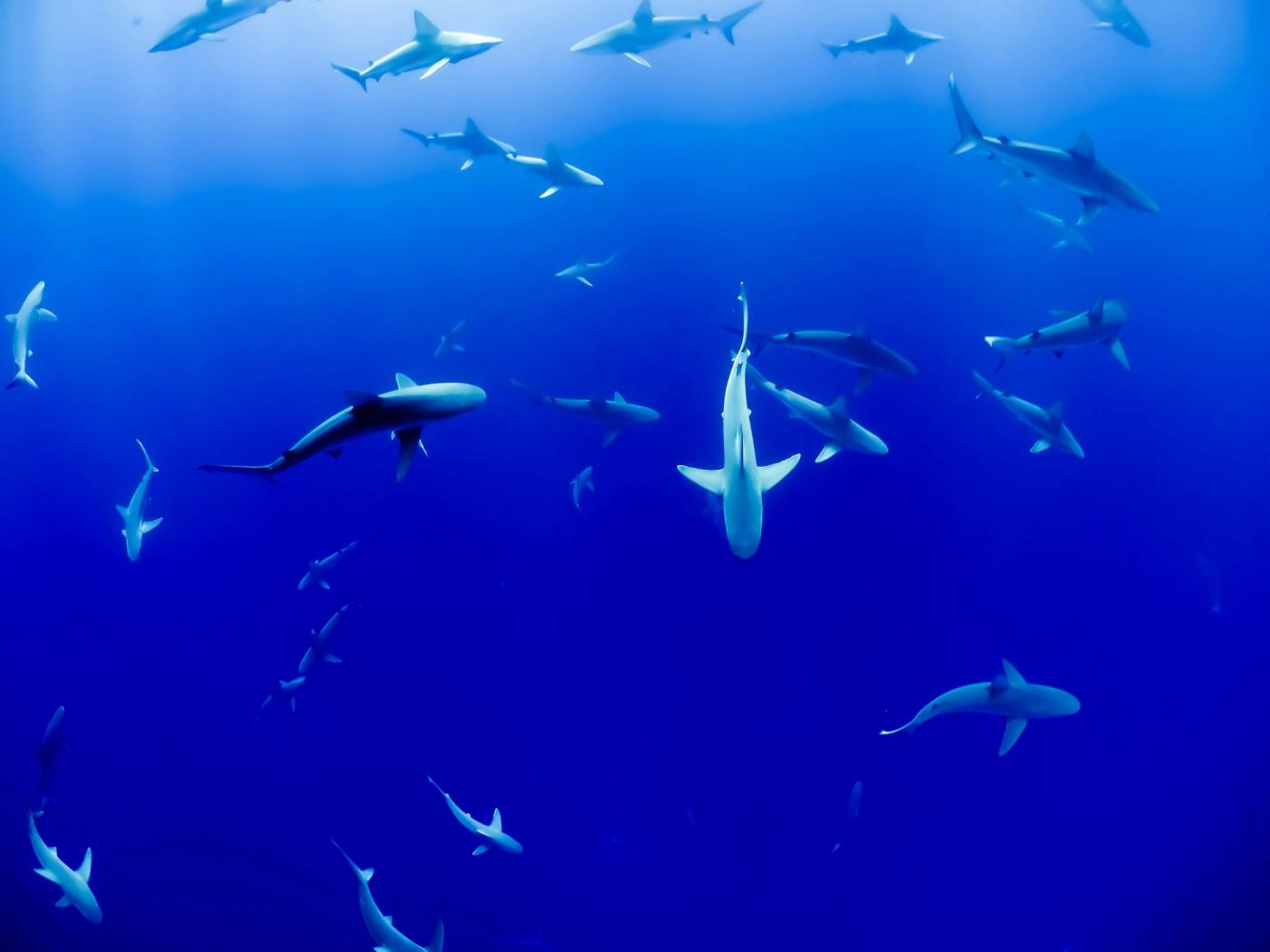
One film turned sharks into the ocean's ultimate movie monster, and we've never quite looked at them the same way since. The strange part? Real sharks behave in ways that sound almost made up, and once you know the truth, those dramatic movie scenes start looking a lot less believable.
The Part Nobody Expects
1. Sharks Don't Spend Their Time Hunting Humans
If films taught you anything, it's that sharks patrol beaches looking for their next person-shaped snack. Real life looks very different. Humans don't rank high on a shark's menu, and most bites happen because the shark mistakes a swimmer or surfer for a seal. The moment they realize the error, many sharks swim away. You're simply not the meal they evolved to hunt.
2. Most Sharks Are Actually Pretty Small
Cinema loves giant predators, but most shark species would struggle to frighten you at all. Scientists have identified more than 500 shark species, and many measure less than three feet long. The dwarf lanternshark fits comfortably in your hand, while the whale shark, the biggest fish on Earth, filters tiny plankton instead of chasing prey. Size and danger rarely go together in the shark world.
3. Sharks Don't Always Attack When They Smell Blood
Movie sharks catch one drop of blood and suddenly charge across the ocean. Their sense of smell really does impress, but blood alone doesn't flip some hidden attack switch. Sharks combine smell with movement, sound, and electrical signals before deciding what deserves attention. A bleeding fish creates a much more tempting target than a quiet human floating nearby.
4. They Can't Smell Everything From Miles Away
You've probably heard that sharks detect a single drop of blood from impossible distances. That story refuses to disappear, even though reality works differently. Water currents, temperature, and concentration all affect how scents travel underwater. Sharks have excellent noses, but they still need favorable conditions. Ocean water doesn't carry smells like a perfectly connected pipeline.
Nature Wrote a Better Story
5. Many Sharks Would Rather Hide Than Fight
Some species seem bold, yet plenty prefer to avoid trouble completely. Reef sharks often dart away the moment they spot divers, and hammerheads usually keep their distance unless someone corners them. That's an unexpected twist because these animals survive by saving energy. Picking unnecessary fights with creatures they don't understand makes very little sense.
6. Sharks Don't Need Constant Speed to Stay Alive
One classic movie myth claims every shark must keep swimming or die instantly. The truth depends on the species. Great white sharks rely on constant movement to push water over their gills, but nurse sharks and several others can rest on the seafloor and keep breathing. Some even spend hours lying quietly beneath rocky ledges before swimming again.
7. They're Older Than Trees
Here's a fact that sounds fake until you check it. Sharks existed hundreds of millions of years before the first trees appeared on Earth. They survived mass extinctions that wiped out countless other animals, including the dinosaurs. When you watch a shark glide through the water today, you're looking at a body plan that nature perfected long before forests covered the planet.
8. Not Every Shark Has Rows of Razor Teeth
Movie posters love huge jaws packed with triangular blades, but sharks have evolved teeth for different jobs. Some crush shellfish with flat teeth that look more like paving stones than knives. Others grip slippery fish with thin, needle-like teeth. Then you have the whale shark, which barely uses its tiny teeth because it feeds by filtering microscopic food from the water.
The Real Villain Isn't the Shark
9. Sharks Don't Reproduce Quickly
Films often make sharks seem unstoppable because they appear endless. Real populations recover painfully slowly. Many species take years, sometimes decades, to reach adulthood, and females produce relatively few young compared with many fish. That slow pace makes shark populations vulnerable when overfishing removes adults faster than new generations can replace them. They look tough, but their numbers can collapse surprisingly fast.
10. Humans Pose the Bigger Threat
The biggest twist never makes the final cut. Sharks kill only a handful of people worldwide in an average year, while humans kill tens of millions of sharks through commercial fishing, bycatch, and the shark fin trade. Healthy shark populations help keep ocean ecosystems balanced. Without them, entire food chains can shift in ways that affect countless other marine animals.
The next time a film shows a shark acting like a revenge-driven sea monster, you'll know the real animal tells a far more interesting story. Share this with someone who still thinks every fin in the water belongs to a villain.

Mia Carter
Author at SofaBreak — writing on facts and everyday curiosities.