Why Humans Are the Only Animals That Cook Food (And What It Did to Us)
Your kitchen might contain one of the strangest technologies any animal ever invented. Plenty of creatures use tools, hunt cooperatively, and even manipulate fire

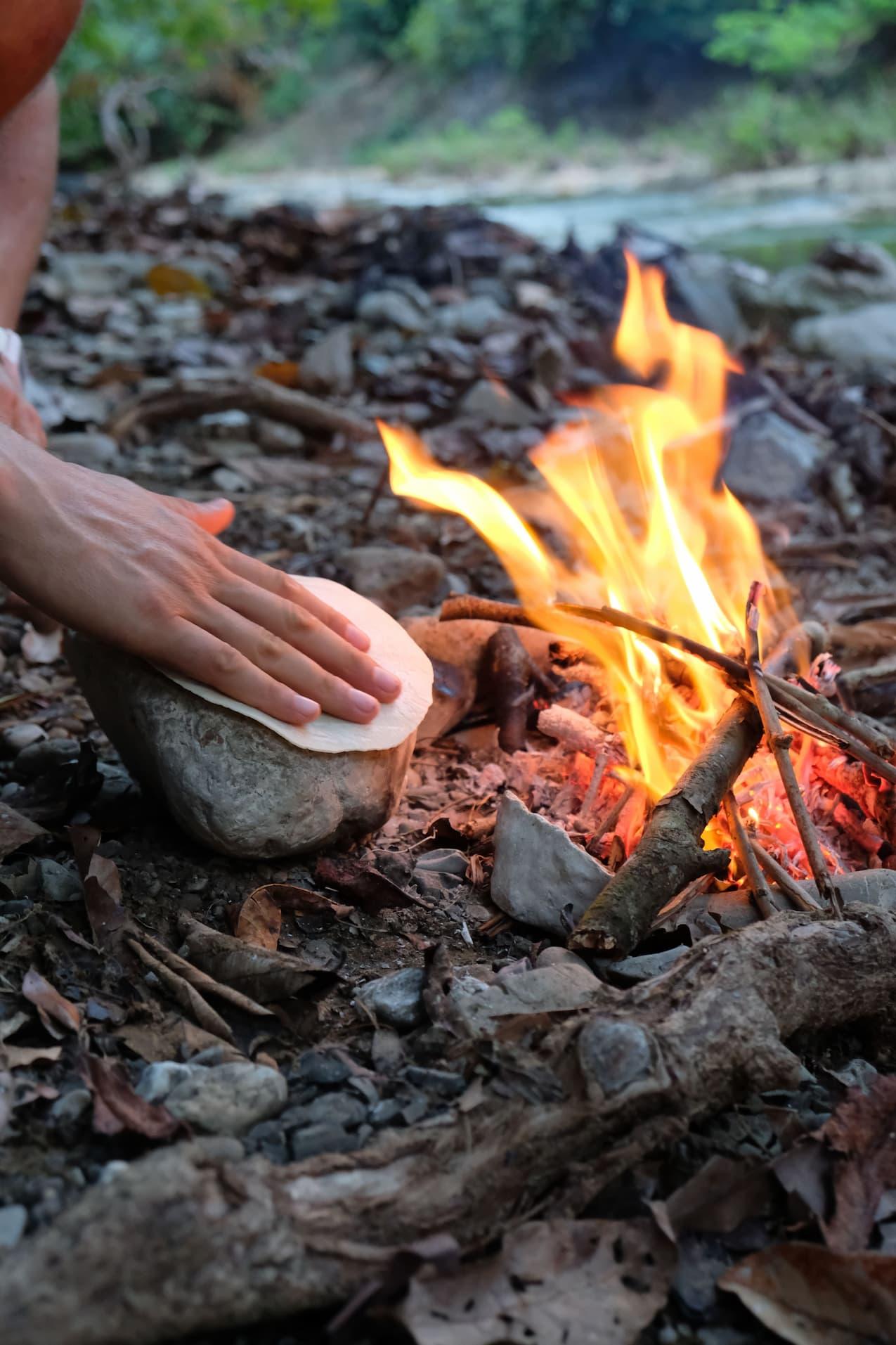
Your kitchen might contain one of the strangest technologies any animal ever invented. Plenty of creatures use tools, hunt cooperatively, and even manipulate fire, but humans turned heating dinner into a daily habit that may have changed our bodies, brains, social lives, and eventually the entire planet.
The Meal That Changed the Animal
1. Cooking may go back hundreds of thousands of years
Pinning down the first cooked meal is frustrating because fire doesn't leave neat receipts. Archaeologists have found evidence of controlled fire stretching back hundreds of thousands of years, while some researchers argue cooking started much earlier. One especially striking clue comes from Gesher Benot Ya'aqov in Israel, where researchers found evidence that humans cooked fish roughly 780,000 years ago. That's an astonishingly old fish dinner.
2. Other animals can handle fire, but they don't cook
Chimpanzees use sticks to fish for termites. Crows bend tools. Some Australian birds even spread burning material, apparently helping flush prey from hiding places. Yet no nonhuman animal regularly takes raw food, deliberately heats it, waits for it to change, then eats the cooked result. Cooking requires a weird combination of fire control, planning, patience, and the expectation that waiting now produces better food later.
3. Cooking gives you more calories from the same food
Heat does part of your digestive system's work before you take the first bite. It softens plant tissue, gelatinizes starch, and changes proteins, making many foods easier for your body to process. Experiments with animals and studies of human diets suggest cooked foods can provide more usable energy than identical foods eaten raw. So an ancient human could potentially get a bigger nutritional payoff without finding a bigger dinner.
Your Body Still Shows the Evidence
4. Humans became surprisingly bad raw-food specialists
Compare your digestive equipment with that of many other primates and you start looking oddly underprepared. Humans have relatively small teeth, weaker jaws, and a smaller gut than you'd expect for a primate of our size. Try living on uncooked wild roots and raw meat with no knife, blender, supermarket, or dentist and the problem becomes obvious fast. Cooking effectively moved some chewing and digestion outside the body.
5. Dinner may have helped pay for our expensive brains
Your brain accounts for only about 2% of your body weight, yet it burns roughly 20% of your resting energy. That makes a big human brain extremely costly hardware. Anthropologist Richard Wrangham has argued that cooking supplied the dependable, calorie-rich diet needed to support that expense. Scientists still debate exactly when cooking became central to human evolution, but the energy argument explains why burnt dinner can matter to evolutionary biology.
6. Raw food takes an absurd amount of chewing
Chimpanzees can spend hours every day chewing. Humans don't, and cooking helps explain the difference. Softer food takes less mechanical work to break apart, which means you can eat a calorie-rich meal much faster than an ape processing tough leaves, fruit, or raw flesh. One estimate suggests humans would need to spend several extra hours chewing each day if we ate like other great apes. Your lunch break definitely couldn't handle that.
Fire Changed More Than Our Stomachs
7. A campfire may have changed our bedtime
Once humans controlled fire, darkness stopped automatically ending the day. A fire offered warmth, some protection from predators, and a bright gathering point after sunset. Researchers studying conversation among the Ju/'hoansi of southern Africa found that daytime talk often focused on practical matters, while nighttime firelight encouraged stories, songs, and talk about distant people or imagined worlds. Cooking created something beyond calories: hours for culture to spread.
8. Cooking forced humans to become patient
Raw food rewards you immediately. Cooking asks you to possess food, resist eating it, prepare a fire, and wait while dinner becomes edible. Experiments with chimpanzees suggest they can prefer cooked food and even delay gratification to receive it, so some mental ingredients already exist elsewhere in nature. But humans built an entire lifestyle around delayed meals. Every time you wait for pasta water to boil, you're practicing an ancient form of self-control.
9. Shared meals created a whole new social problem
Once food became valuable enough to prepare, somebody had to guard it. A pile of cooked meat or roots sitting beside a fire makes a much easier target than food still scattered across the landscape. That likely increased the value of cooperation, food sharing, and rules about who gets what. Cooking may even have influenced divisions of labor between early humans. The kitchen, in other words, started producing social negotiations long before anyone argued over dishes.
We Never Stopped Outsourcing Digestion
10. Modern kitchens continue the same ancient trick
Grinding flour, fermenting dough, pressure-cooking beans, and blending smoothies all push food processing outside your body. Humans kept extending cooking's original idea: make technology do work that teeth and guts would otherwise handle. Today we can turn hard grains into noodles, bitter cassava into safe food, and tough cuts of meat into something you can pull apart with a fork. Few inventions have stayed this close to us for this long.
Cooking didn't simply give humans tastier dinners. It helped create an animal that spends less time chewing and more time talking, planning, inventing, and apparently debating the correct way to cook a steak. Share this with someone who'll never look at their stove quite the same way again.

Clara Rhodes
Author at SofaBreak — writing on facts and everyday curiosities.