10 Lightning Facts That Will Make You Rethink Thunderstorms
A thunderstorm can look almost lazy from your window, right up until the sky flashes white and the windows rattle.

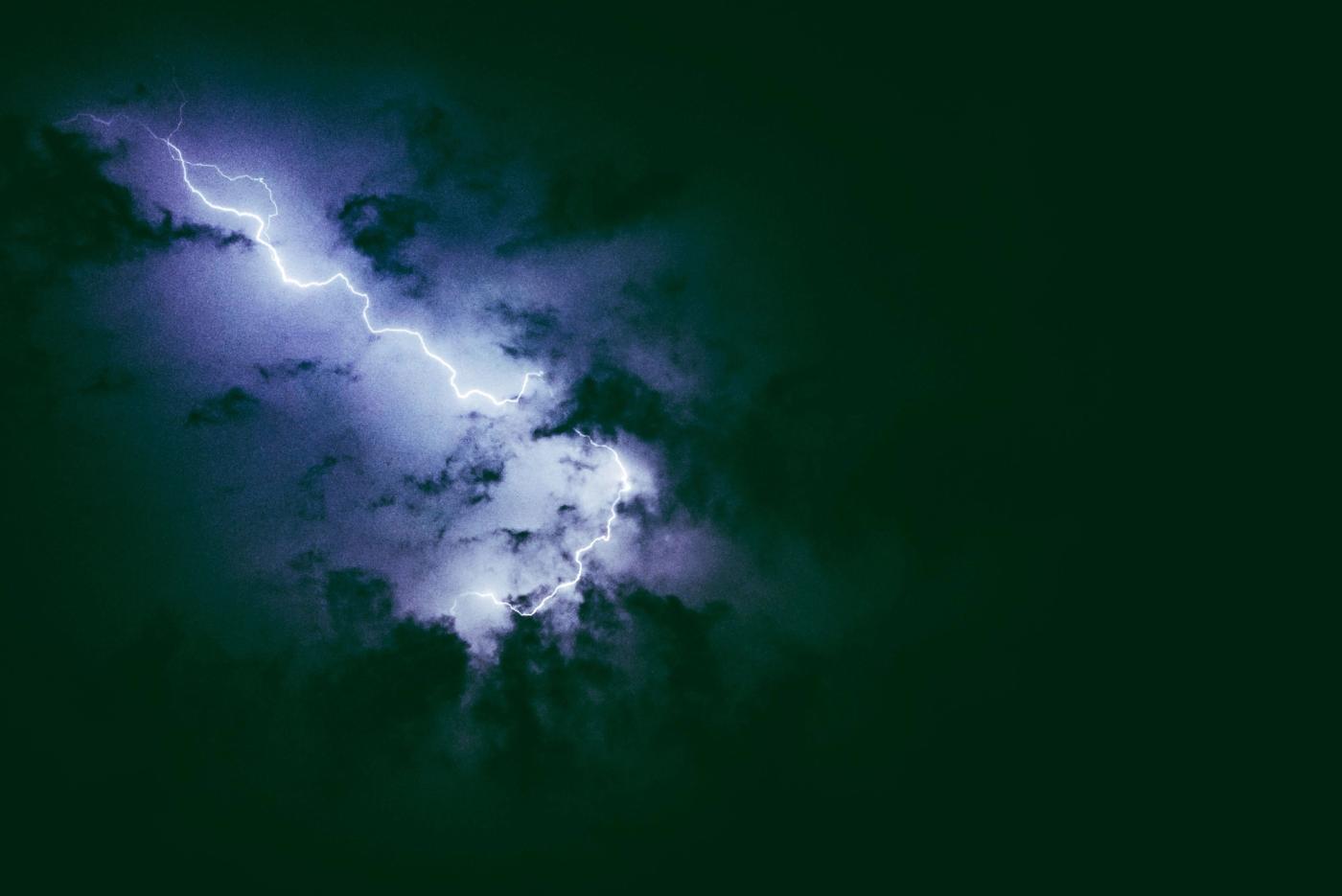
A thunderstorm can look almost lazy from your window, right up until the sky flashes white and the windows rattle. But inside those clouds, things get much stranger than a bit of rain and electricity, with temperatures hotter than the Sun’s surface, bolts stretching across entire regions, and flashes that never even reach the ground.
The Sky Is Wilder Than It Looks
1. Lightning can heat the air to around 30,000°C
That bright streak isn’t glowing because lightning itself burns like fire. The electrical current heats the surrounding air to roughly 30,000°C, about five times hotter than the surface of the Sun. The air expands violently under that sudden blast of heat, creating a pressure wave that becomes thunder. So when thunder cracks hard enough to make you jump, you’re hearing air react to an extreme temperature change that happened in a fraction of a second.
2. Most lightning never hits the ground
You might picture lightning as electricity shooting from a cloud toward Earth, but most flashes stay up in the sky. Lightning often jumps between electrically charged areas inside the same cloud or travels between separate clouds. Only a smaller share connects with the ground. That means a storm can produce an enormous amount of electrical activity above your head without delivering the dramatic ground strike you’d expect from a movie.
3. A single flash can contain several separate strikes
When lightning appears to flicker, your eyes aren’t playing tricks on you. What looks like one bolt can contain multiple electrical pulses racing along the same channel in rapid succession. Each pulse may last only a tiny fraction of a second, so your brain bundles them into one flashing event. This also explains why lightning photographs often look far more solid and defined than the quick, twitchy flash you remember seeing with your own eyes.
Bigger, Faster, Stranger
4. Lightning can stretch for hundreds of kilometres
Not every bolt makes a neat little trip from cloud to ground. Some lightning flashes spread sideways through huge storm systems and cover distances that would make a road trip feel reasonable. The longest officially measured flash stretched 768 kilometres across parts of the southern United States. That’s roughly the distance from London to the Scottish Highlands, produced by one sprawling electrical event in the atmosphere.
5. Thunder gives you a rough lightning-distance calculator
Light reaches you so quickly that, at storm-watching distances, you can treat the flash as instant. Sound moves much slower. Count the seconds between seeing lightning and hearing thunder, then divide by about three to estimate the distance in kilometres. A nine-second delay puts the lightning roughly three kilometres away. And if thunder follows almost immediately, forget the maths. The storm is close enough that you should already be somewhere sheltered.
6. Lightning can strike from seemingly clear sky
A storm doesn’t need to sit directly overhead to threaten you. Some bolts travel sideways out of a thunderstorm before turning toward the ground, reaching areas where the sky may look much calmer. People sometimes call these “bolts from the blue” because they can appear to arrive from clear sky. A storm moving away can therefore remain dangerous even after the rain stops and sunlight starts breaking through.
Lightning Doesn’t Play by Simple Rules
7. The same place can get struck again and again
“Lightning never strikes the same place twice” sounds convincing because we keep repeating it. Nature disagrees. Tall buildings, towers and exposed peaks can take repeated hits because they provide convenient paths between charged clouds and the ground. New York’s Empire State Building gets struck multiple times in a typical year. Lightning doesn’t remember where it landed last time. Give it the right electrical conditions, and it’ll happily return.
8. Lightning helps create useful nitrogen compounds
Lightning causes destruction, but it also performs a tiny piece of atmospheric chemistry that plants can use. The extreme energy of a bolt breaks apart nitrogen molecules in the air, allowing nitrogen to react with oxygen and form compounds that eventually reach the ground in rain. Plants need nitrogen to grow, yet they can’t directly use most atmospheric nitrogen. So thunderstorms have been quietly helping fertilise ecosystems since long before humans invented fertiliser.
9. Volcanic eruptions can create their own lightning
Thunderclouds don’t have a monopoly on lightning. During some explosive volcanic eruptions, ash, rock fragments and ice particles collide inside the rising plume, helping separate electrical charges. Once the difference becomes large enough, lightning flashes through the ash cloud. The result looks almost fictional: bright electrical branches cutting across a black column of volcanic debris. Scientists can even monitor this lightning activity to help track eruptions when thick clouds hide the volcano itself.
One Flash Can Be Truly Enormous
10. The longest lightning flash lasted more than 17 seconds
Lightning feels instant because most flashes vanish before you’ve properly registered them. But the World Meteorological Organization has confirmed a single flash over Uruguay and northern Argentina that lasted 17.102 seconds. Think about that timing. You could unlock your phone, open the camera and still potentially catch part of the same electrical event. Extreme storms operate on scales that ordinary backyard thunderstorms barely hint at.
The next time the sky starts flashing, you’ll know there’s far more happening up there than a few dramatic bolts. Share this with someone who still believes lightning never strikes the same place twice.

Devon Walker
Author at SofaBreak — writing on facts and everyday curiosities.