10 Things About Spiders That Horror Films Got Completely Wrong
Hollywood has spent decades convincing you that spiders are tiny eight-legged psychopaths waiting for the right moment to crawl into your bed.

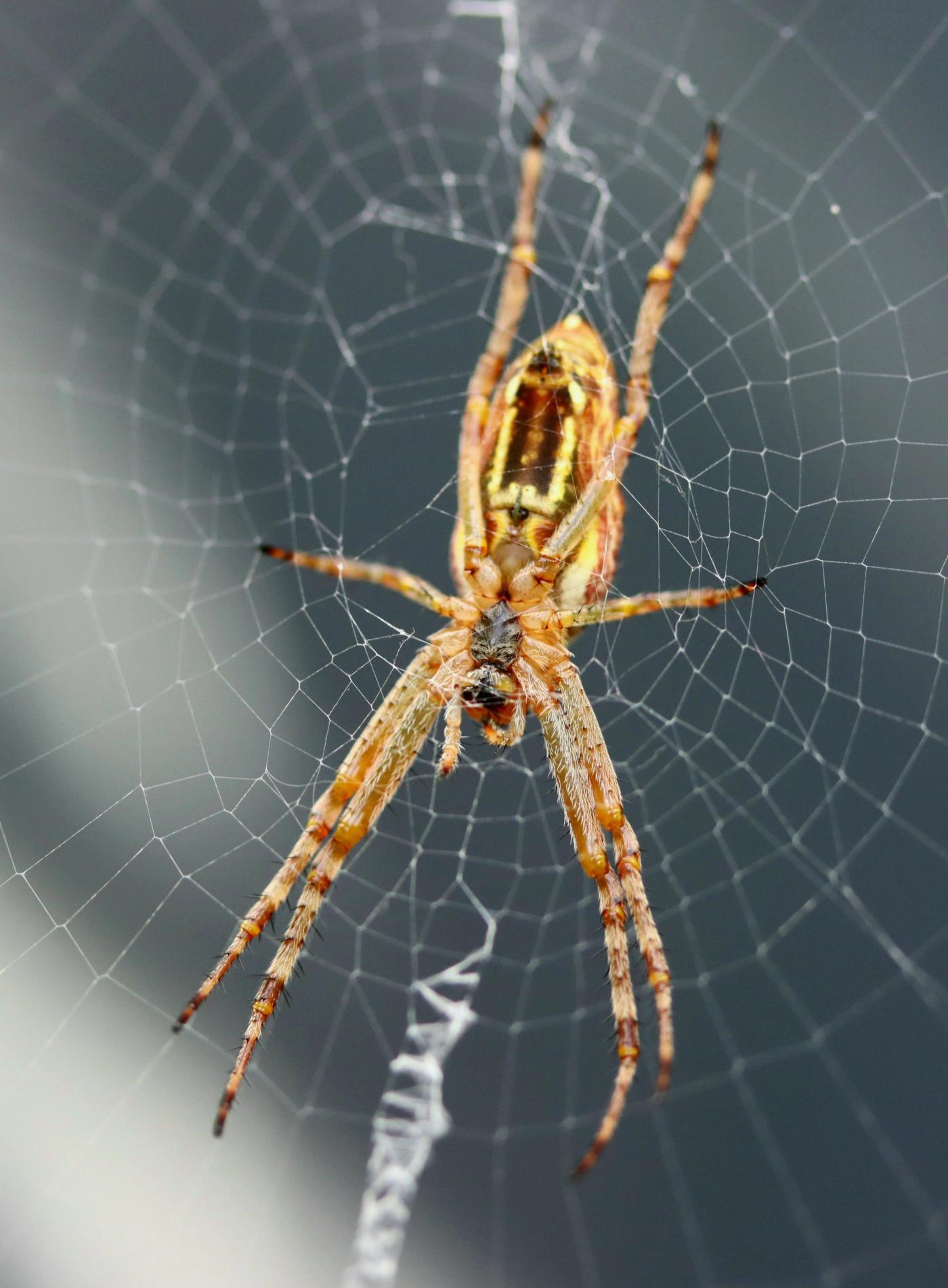
Hollywood has spent decades convincing you that spiders are tiny eight-legged psychopaths waiting for the right moment to crawl into your bed. The real animals are stranger, smarter, and in several cases much less interested in you than your bathroom ceiling suggests.
The Monsters Aren’t Very Good at Being Monsters
1. Most spiders really don’t want to bite you
That spider on your wall isn’t sizing you up for dinner. Humans are enormous, useless as prey, and dangerous from a spider’s point of view, so biting us makes little sense. Many species would rather run, hide, or play dead. Even when spiders do bite defensively, some deliver little or no venom. Venom takes energy to produce, and wasting it on something the size of Godzilla isn’t a great survival strategy.
2. Spider bites are much rarer than people think
Wake up with a mysterious red bump? The spider in the corner usually gets blamed without a trial. Doctors and researchers have repeatedly found that people misidentify skin infections, insect bites, and other irritations as spider bites, especially when nobody actually saw a spider bite them. True bites certainly happen. But the classic horror scenario, where a spider secretly attacks a sleeping human for no apparent reason, gives spiders far more ambition than they deserve.
3. They can’t grow to movie-monster size
A spider the size of a dog sounds like excellent nightmare material, but biology ruins the sequel. Spiders breathe through structures called book lungs, tracheae, or a combination of both, and their bodies rely on an external skeleton. Scale that design up dramatically and moving, breathing, and supporting all that weight become serious problems. Prehistoric Earth produced some impressively large arthropods, but no house-sized spiders. Your flamethrower can stay in the garage.
Their Hunting Tricks Are Weirder Than Hollywood’s
4. Plenty of spiders don’t bother with webs
Movies love the giant sticky web because it gives the hero something disgusting to walk into. But thousands of spider species hunt without building prey-catching webs. Jumping spiders stalk targets and pounce. Wolf spiders chase prey across the ground. Trapdoor spiders wait inside hidden burrows and explode outward when dinner passes. Some spiders even hunt other spiders. The web is only one weapon in a much stranger arsenal, and arguably not even the coolest one.
5. Spider silk isn’t one single material
That white Halloween-store webbing seriously undersells the engineering. A spider can produce different silks for different jobs, including draglines, egg protection, web frames, sticky capture threads, and wrapping prey. Some species can make several distinct types from separate silk glands. And spiders don’t automatically coat every strand with glue. An orb-weaver can race across its own web partly because it knows where the safer structural threads are. That’s closer to construction than random string-spinning.
6. Some spiders can basically fly
No wings required. Tiny spiders use a behavior called ballooning, releasing silk into the air and letting atmospheric forces carry them away. They can travel huge distances and turn up in places that seem almost impossible to reach. Scientists have even collected airborne spiders thousands of metres above the ground. So horror movies got one thing backwards: the scary spider doesn’t need to crawl slowly toward you. Under the right conditions, a perfectly ordinary spider can leave by air.
They’re Much Smarter Than the Screaming Suggests
7. Jumping spiders can plan hunting routes
A jumping spider has a brain smaller than a poppy seed, yet some species can inspect a complicated route, lose sight of their prey, then take a detour to reach it. They also have extraordinary vision for animals their size, with large forward-facing eyes that help judge distance and track targets. Some jumping spiders even appear to distinguish between different types of objects visually. They’re less like mindless miniature monsters and more like tiny hunters constantly making decisions.
8. Some spiders keep their young around
Horror films usually treat spider babies as a cue for everyone to start screaming. In real life, spider motherhood can get oddly sweet. Wolf spider mothers carry their egg sacs attached to their spinnerets, then let newly hatched spiderlings ride around on their backs. Other species guard eggs or share food with offspring. A few social spiders go much further and live in colonies where individuals cooperate. Eight legs apparently don’t prevent you from running a surprisingly committed childcare operation.
The Real Weirdness Beats the Movie Version
9. Not every spider is a strict carnivore
Spiders have a reputation as dedicated insect assassins, but at least one species seriously complicates that image. Bagheera kiplingi, a jumping spider from Central America and Mexico, gets much of its food from nutrient-rich structures on acacia plants. It still eats animal material sometimes, so don’t picture a tiny spider politely ordering salad. But a spider deliberately harvesting plant food is weird enough. Hollywood somehow invented mutant tarantulas before giving us the mostly vegetarian one.
10. Spiders help keep your home from becoming an insect buffet
The spider lurking behind a cupboard may be doing unpaid pest control. Spiders collectively eat an enormous quantity of prey, much of it insects and other arthropods, and household species happily take mosquitoes, flies, moths, and whatever else they can catch. They’re predators, but you’re generally not on the menu. From the spider’s perspective, your home offers shelter and snacks. You’re closer to the landlord than the victim.
Spiders don’t need supernatural venom, human-sized webs, or murderous intentions to get weird. The real versions are better, so share this with someone who’d still choose the movie monster over finding number 8 on their bedroom wall.

Clara Rhodes
Author at SofaBreak — writing on facts and everyday curiosities.