10 Things About the Human Eye That Even Opticians Find Surprising
Your eyes are pulling off some genuinely strange tricks while you read this sentence, and your brain is quietly covering up most of them

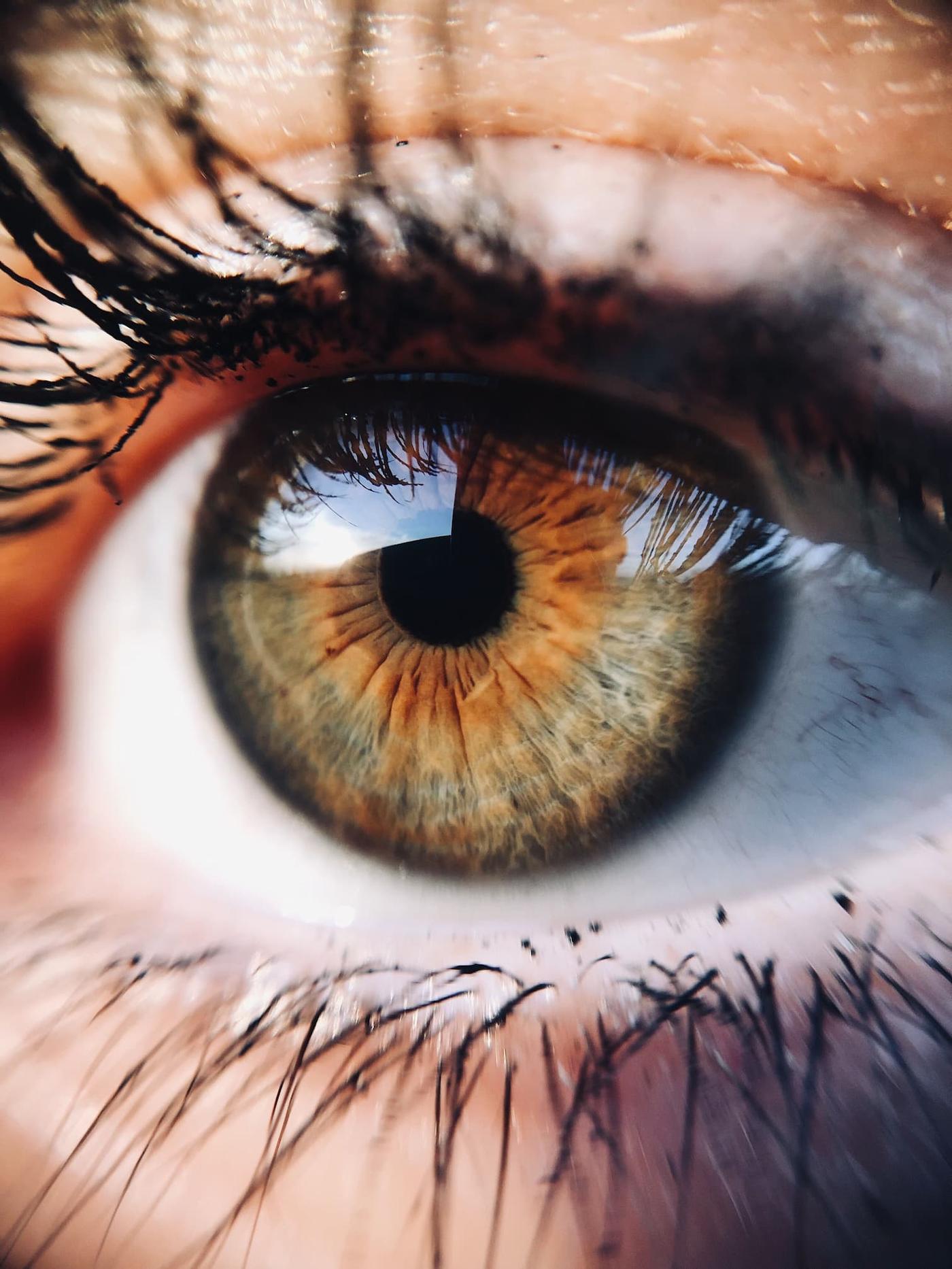
Your eyes are pulling off some genuinely strange tricks while you read this sentence, and your brain is quietly covering up most of them. You’ve probably lived with your eyesight for decades without noticing just how much editing, improvising and biological weirdness goes into making the world look normal.
Your Eyes Aren’t Giving You the Full Picture
1. You Have a Blind Spot in Each Eye
There’s a small patch in each eye where you can’t see anything at all. It’s where the optic nerve leaves the retina, creating an area with no light-detecting cells. Yet you don’t walk around with two black holes floating in your vision. Your brain uses information from the other eye and the surrounding scene to fill in the missing patch so convincingly that you usually never notice it.
2. Your Brain Quietly Deletes Your Nose
Look straight ahead and concentrate on your nose. You can see it, right? Technically, you could see it almost all the time. Your nose sits permanently inside your field of vision, but your brain decides that this unchanging lump in the foreground isn’t useful information and largely tunes it out. The same filtering helps you ignore the frames of your glasses after you’ve worn them for a while. Your vision involves a lot of selective editing.
3. Your Sharpest Vision Covers a Tiny Area
The world looks detailed from edge to edge, but your eyes don’t actually capture it that way. Your sharpest central vision comes from the fovea, a tiny area of the retina packed with cone cells. To build the rich scene you think you’re seeing all at once, your eyes make rapid movements called saccades, grabbing detailed snapshots from different spots. Your brain then turns those fragments into one smooth visual experience.
The Hardware Is Stranger Than It Looks
1. Your Cornea Has No Blood Vessels
Most living tissue needs blood vessels delivering oxygen, but the cornea takes a different route. Blood vessels running across it would interfere with the clear path light needs to enter your eye, so a healthy cornea has none. Instead, it gets much of its oxygen directly from the air through your tear film while your eyes are open. Close them to sleep, and oxygen has to reach the cornea through other nearby sources.
2. Your Eye Muscles Are Constantly Working
Even when you think you’re staring perfectly still at one word, your eyes refuse to stay completely motionless. They make tiny involuntary movements, including microsaccades, that continually shift the image hitting your retina. Stop that movement experimentally and something odd happens: stationary images can begin fading from perception. Your visual system responds strongly to change, so those almost invisible eye movements help keep the world from quietly disappearing while you stare at it.
3. Your Tears Come in Different Types
Crying during a sad film and watering because you chopped an onion might look identical, but your tear system responds to different jobs. Basal tears constantly coat, nourish and protect your eyes. Reflex tears arrive when smoke, onion chemicals or stray eyelashes cause irritation. Emotional tears come with strong feelings. And tears themselves aren’t just salty water. They contain oils, mucus, proteins and other substances that help maintain the eye’s delicate surface.
Your Brain Does More Seeing Than You Think
1. The Image on Your Retina Arrives Upside Down
Light passing through your eye’s optical system forms an inverted image on the retina. So the physical image reaching the back of your eye has the world flipped compared with how you experience it. You don’t notice because vision isn’t a camera feed projected directly into your consciousness. Your brain processes signals from the retina and constructs a useful sense of orientation. You’ve spent your entire life seeing an interpreted version of reality.
2. You’re Temporarily Blind During Fast Eye Movements
Your eyes jump from point to point several times each second, yet you don’t experience the world as a nauseating blur. During those rapid saccades, your visual system reduces your awareness of incoming information, a process called saccadic suppression. Try looking back and forth between your own eyes in a mirror. You won’t see your eyes moving, although someone watching you will. Your brain hides the messy transition and serves you the stable version instead.
3. Humans Can Detect an Absurd Range of Brightness
Walk from bright afternoon sunshine into a dark room and, at first, you can barely see. Give your eyes time and objects begin emerging from the gloom. Your visual system handles an enormous range of light levels by switching how its photoreceptors operate and adjusting sensitivity over time. Rod cells become especially useful in darkness, but there’s a trade-off: they’re great at detecting faint light and poor at giving you the colorful detail you get during daylight.
One Eye Can Tell a Bigger Story
1. Your Two Eyes Don’t Always See Color Identically
Cover one eye for a moment, study a pale wall, then switch. You may notice a subtle difference in color or brightness between your eyes. Small variations can happen because each eye’s lens, retina and light-sensitive cells aren’t perfectly identical, and adaptation can affect them differently too. Usually your brain combines both streams so smoothly that you never spot the mismatch. But a sudden or strong new difference between the eyes deserves professional attention.
Your eyes give you a polished version of the world, but the machinery behind that picture involves blind spots, inverted images, constant motion and some extremely clever brainwork. Share this with someone who’d never believe their brain has been deleting their nose all day.

Devon Walker
Author at SofaBreak — writing on facts and everyday curiosities.