10 Things About the Internet That You Never Thought to Question
You probably use the internet before you've even had your first coffee. You tap, scroll, search, and stream without thinking twice.

You probably use the internet before you've even had your first coffee. You tap, scroll, search, and stream without thinking twice. But once you start asking a few simple questions, the whole thing gets a lot stranger than most people realize.
The Stuff Hiding in Plain Sight
1. Most of the internet isn't on Google
Google feels like the internet because you use it to find almost everything. But search engines only index a small slice of what's actually online. Huge collections of private databases, subscription services, company records, and password-protected pages never appear in search results. That means the biggest part of the web sits quietly in the background, even though you pass by it every day without noticing.
2. Your messages rarely travel in a straight line
When you send a message to someone across town, you'd expect it to take the shortest path. It often doesn't. Data hops between different networks, internet exchange points, and servers before reaching its destination. A message between two neighbors might briefly leave the city or even cross another country because that route happens to move traffic faster at that moment.
3. The internet runs through oceans
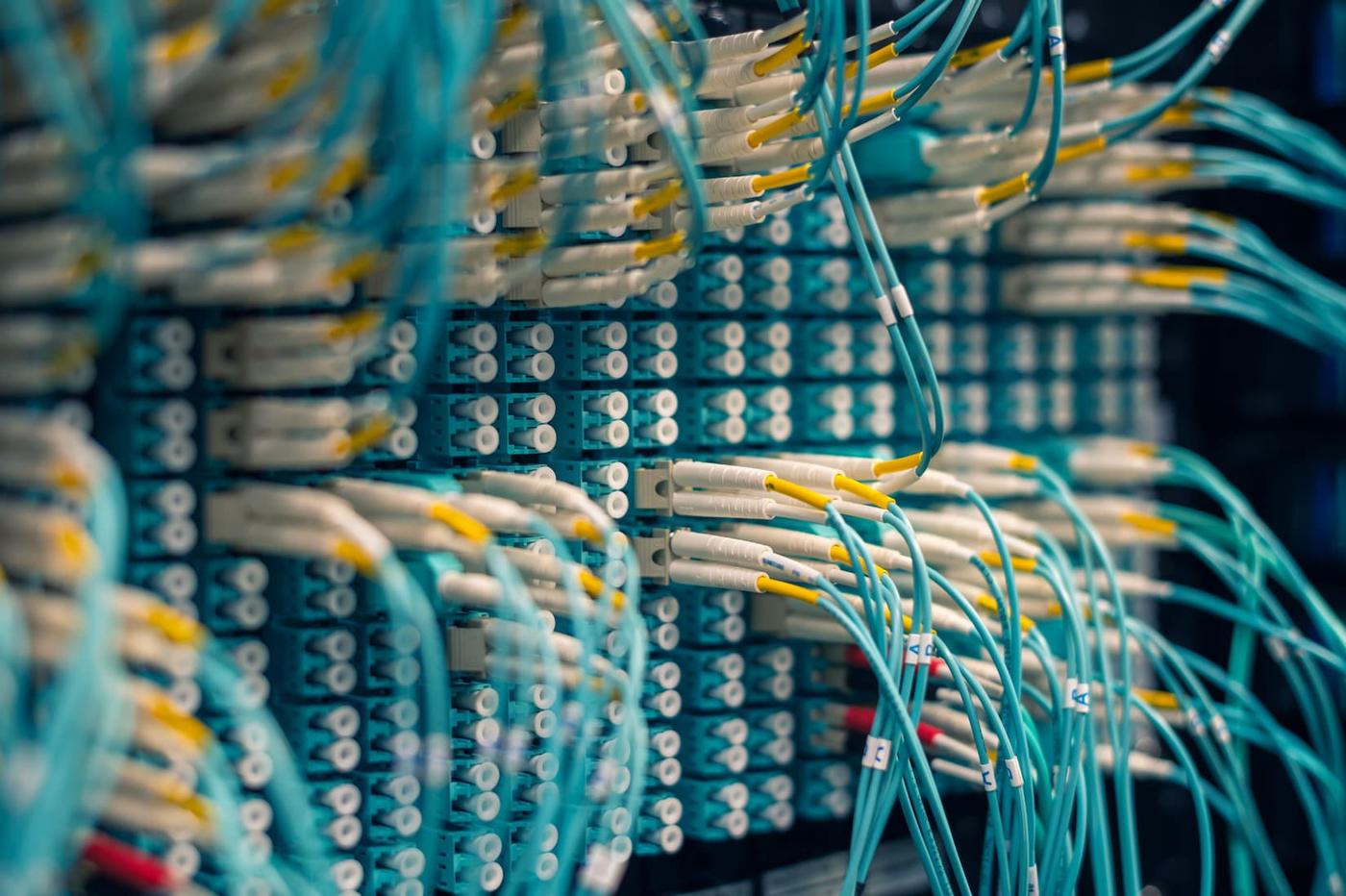
People imagine the internet floating through satellites in space. The reality looks much less futuristic. Around 99 percent of international internet traffic travels through fiber-optic cables lying on the ocean floor. Some stretch thousands of miles between continents. Sharks have even bitten underwater cables from time to time, although fishing equipment and earthquakes usually cause far more damage than curious sea life.
4. Websites remember more than your password
You know websites save your login details. They also remember plenty of tiny details that help them recognize your device. Screen size, browser version, installed fonts, language settings, and even the way your computer processes graphics can create a unique fingerprint. Clear your cookies and you still might look familiar because your device leaves behind a surprisingly detailed signature.
Tiny Details That Change Everything
5. Every click takes a race around the world
Open a website and dozens of things happen before you see the page. Your device asks a Domain Name System server for the website's address, connects to one or more servers, checks security certificates, loads fonts, grabs images, and fetches scripts. The whole process often finishes in less than a second. You notice the result, but not the incredible amount of coordination behind it.
6. The first website still exists
Most corners of the internet change every day. One page has barely changed at all. The very first website, created by Tim Berners-Lee in 1991, still sits online. It doesn't have videos, animations, or polished design. Instead, it simply explains what the World Wide Web is and how people could start using it. You can still visit the same page that introduced the web to the world.
7. Every emoji has to earn its place
New emojis don't magically appear on your phone because a company feels creative. Every addition goes through a proposal process managed by the Unicode Consortium. People submit detailed arguments explaining why a new emoji deserves a spot alongside thousands of existing ones. Someone once wrote pages of documentation just to convince the committee that a melting face deserved to exist.
The Internet Has Its Own Personality
8. Popular websites don't always store your files
Watch a movie or view a viral photo, and you might assume it comes from one giant computer. Large websites usually spread their content across thousands of servers around the world. These content delivery networks place copies closer to you, which cuts loading times dramatically. The funny part? Your favorite video might come from a server only a few miles away instead of another continent.
9. Internet addresses are running out
Every device connected to the internet needs an IP address. The original system, called IPv4, offered about 4.3 billion unique addresses. That sounded impossible to exhaust decades ago. Then smartphones, smart TVs, security cameras, and even refrigerators joined the party. Engineers responded by creating IPv6, which supports such an enormous number of addresses that you'll never realistically run out during your lifetime.
10. Deleted doesn't always mean gone
Clicking "delete" feels final. Online, that button often starts a much slower process. Backups, cached copies, archived versions, and mirrored servers can keep information alive long after you think you've erased it. That's one reason internet historians can recover old websites years later. The web has a surprisingly long memory, even when everyone involved would rather forget.
Once You Notice, You Can't Unsee It
The internet feels ordinary because you use it every day, but underneath every tap sits a web of cables, computers, rules, and clever shortcuts that most people never stop to question. Share this with someone who thinks they know the internet inside out, then ask them which fact caught them completely off guard.

Craig Anderson
Author at SofaBreak — writing on facts and everyday curiosities.