10 Things About the Moon That Still Baffle Scientists
You'd think we'd have the Moon figured out by now. Humans have walked on it, mapped every crater worth naming, and brought pieces of it back to Earth.

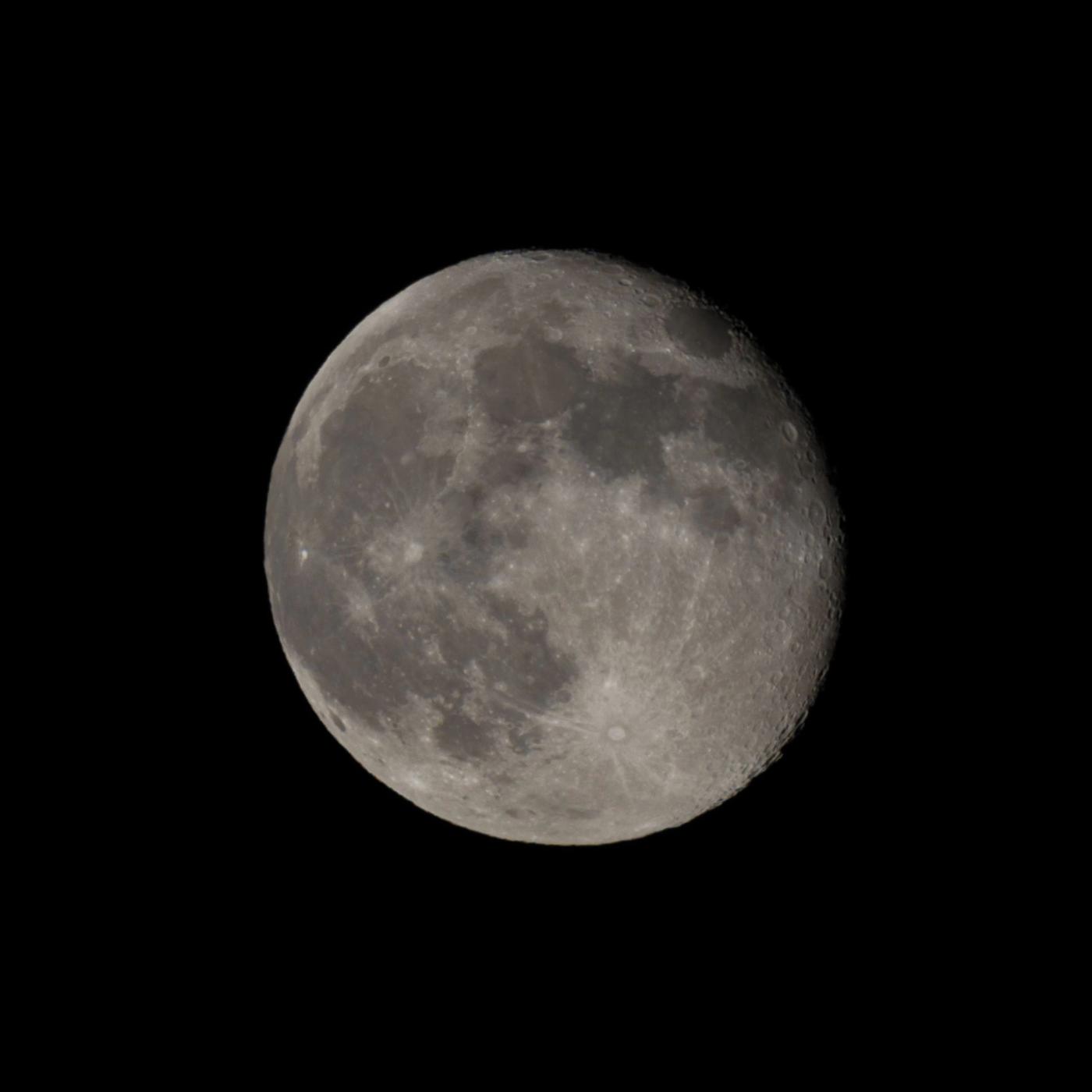
You'd think we'd have the Moon figured out by now. Humans have walked on it, mapped every crater worth naming, and brought pieces of it back to Earth. Yet the closer scientists look, the stranger our nearest neighbor becomes, and some of its biggest mysteries still don't have satisfying answers.
1. Nobody Knows Exactly How the Moon Formed
Most scientists support the giant impact theory. Around 4.5 billion years ago, a Mars-sized object likely slammed into the young Earth, throwing enough debris into space to form the Moon. But there's a catch. Moon rocks look almost identical to Earth's rocks, much more alike than computer models predict. Somehow the impact mixed everything together so completely that the two worlds ended up with nearly the same chemical fingerprint.
2. The Moon Has a Giant Hidden Lump of Mass
Deep beneath the Moon's South Pole-Aitken Basin sits something incredibly dense. Scientists spotted it because spacecraft kept detecting tiny changes in gravity while flying overhead. The buried structure might weigh more than two billion billion tons. Some researchers think it came from the asteroid that created the basin. Others wonder whether it could be leftover material from the Moon's ancient interior. Nobody knows for sure.
3. Moonquakes Last Much Longer Than Earthquakes
If you stood on the Moon during a quake, the shaking wouldn't stop after a few seconds. Some moonquakes continue for nearly an hour. That's because the Moon lacks the water and loose rock that help absorb vibrations on Earth. Instead, seismic waves bounce around inside like echoes in a giant bell. The Apollo astronauts actually left seismometers behind, and those instruments revealed just how long the Moon keeps ringing.
4. Water Hides in Places the Sun Never Reaches
For years, people pictured the Moon as completely dry. Then scientists found evidence of frozen water tucked inside craters near the poles, places where sunlight hasn't reached for billions of years. Some of those icy pockets stay colder than Pluto. That frozen water could become drinking water, breathable oxygen, or even rocket fuel for future missions, if engineers can figure out how to collect it efficiently.
5. The Far Side Looks Nothing Like the Near Side
People often call it the "dark side," but that's misleading because sunlight reaches both halves equally. The real mystery lies in their appearance. The side facing Earth has broad, dark lava plains that create the familiar face you see at night. The far side looks rougher, thicker, and far more heavily cratered. Scientists still debate why volcanic activity shaped one half so differently from the other.
6. Strange Swirls Cover Parts of the Surface
Bright looping patterns called lunar swirls snake across several regions of the Moon. They don't match the surrounding landscape and often ignore craters, hills, and valleys completely. One leading idea links them to pockets of ancient magnetic fields trapped inside the Moon's crust. Those fields may shield the surface from solar wind, leaving lighter-colored streaks behind. Even after decades of study, nobody has fully explained how the swirls formed.
7. The Moon Shrinks a Little Every Year
The Moon hasn't stayed the same size since it formed. As its interior slowly cools, the whole body contracts. Scientists estimate the Moon has shrunk by roughly 150 feet over the past few hundred million years. That slow squeeze wrinkles the surface, creating cliffs that can stretch for miles. Some of those faults still shift today, proving the Moon hasn't become the completely inactive world many people imagine.
8. Tiny Dust Grains Cause Huge Problems
Moon dust looks harmless until you see how it behaves. The grains have sharp, jagged edges because wind and water never wear them smooth. Apollo astronauts found the dust clung to spacesuits, scratched equipment, clogged seals, and even smelled like burned gunpowder after returning inside the lunar module. Future Moon bases will need clever ways to keep that stubborn dust from getting into absolutely everything.
9. The Moon Once Had a Magnetic Field
Today the Moon barely has any global magnetic field at all. Billions of years ago, though, it likely generated one strong enough to rival Earth's. Scientists still argue about what powered it and why it disappeared. One possibility involves a molten metallic core spinning differently from the outer layers. Another suggests giant asteroid impacts temporarily boosted magnetic activity. Neither explanation answers every question.
10. We Still Don't Know If the Moon Is Completely Geologically Dead
From a distance, the Moon looks frozen in time. Up close, the evidence tells a more complicated story. Spacecraft have spotted relatively young rock formations that may have formed within the last 100 million years, which counts as recent in planetary terms. Some shallow moonquakes also hint that the interior still holds a little energy. The Moon might not be as quiet as it first appears.
The Moon hangs above us almost every night, yet it still guards secrets that keep planetary scientists guessing. Share this with someone who thinks we've already learned everything there is to know about our closest neighbor in space.

Mia Carter
Author at SofaBreak — writing on facts and everyday curiosities.