10 Things Nobody Told You About the Human Body
Your brain runs on enough electricity to power a small lightbulb. Your stomach replaces its entire lining every few days.

1. Your Bones Are Wet
Most people picture bones as dry, rock-hard things sitting inside your body like coat hangers. They’re actually living tissue packed with blood vessels, collagen, and water. In fact, human bones contain enough moisture that a completely dried-out skeleton weighs much less than a living one. Your femur, the thigh bone, also handles more pressure than concrete. Every time you jump, it absorbs forces that would crack many building materials. Not bad for something hidden under your jeans.
2. Your Stomach Almost Digests Itself
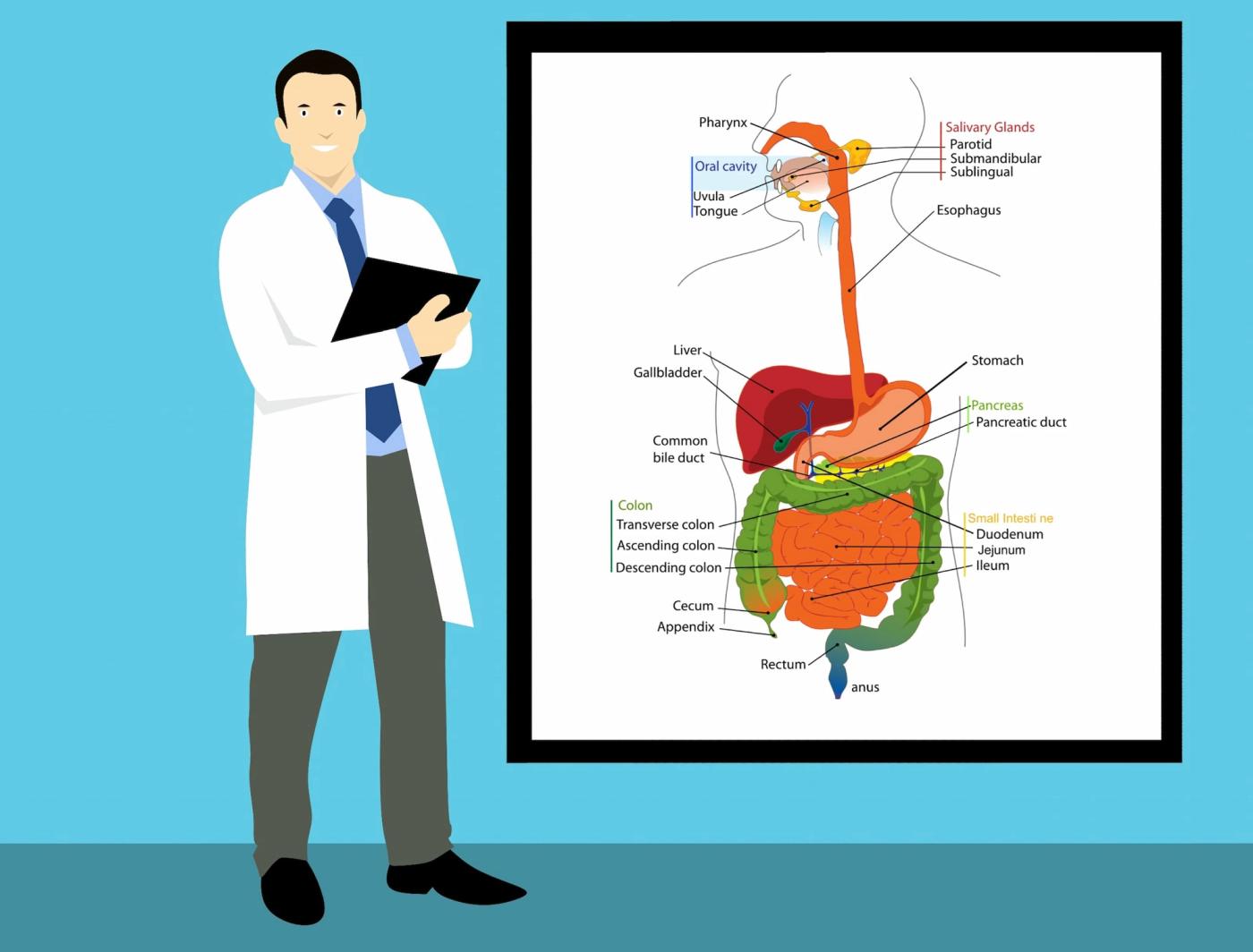
Your stomach uses hydrochloric acid strong enough to dissolve metal under the right conditions. That sounds like a design flaw. But your body solves the problem by replacing the stomach lining every three to four days before the acid burns through it. You also produce a thick layer of mucus that acts like biological bubble wrap. When people get stomach ulcers, that protective barrier usually breaks down first. Your body spends all day preventing accidental self-cannibalism.
3. You Shed Skin Constantly
That dust floating through your apartment? A decent chunk of it used to be you. Humans shed around 500 million skin cells every single day. Most fall off without you noticing, which means your body quietly replaces its outer layer all year long. The process speeds up after sunburns, which explains why peeling skin feels endless. And because dead skin collects everywhere, dust mites evolved specifically to eat it. Your couch has an entire microscopic cleanup crew living rent-free.
4. Your Brain Runs on Electricity
Your brain looks like soft gray pudding, but it behaves more like a biological computer wired with tiny electrical storms. Neurons communicate through electrical impulses that travel up to 250 miles per hour. Even stranger, your brain generates enough electricity to power a small LED bulb. You don’t feel any of this happening because the signals stay microscopic and controlled. Still, every thought, memory, panic spiral, and random song lyric stuck in your head comes from electric pulses firing nonstop.
5. You Glow in the Dark
Not enough to impress anyone at a party, unfortunately. Human bodies produce tiny amounts of visible light through chemical reactions inside cells. Scientists call it biophoton emission. Your metabolism creates excited molecules that release faint photons as they lose energy. Cameras with extreme sensitivity can actually detect the glow. The weirdest part? Your face glows more at the end of the day than in the morning. So technically, your body turns into a dim nightlight after work.
6. Your Nose Switches Sides All Day
You probably think both nostrils work equally all the time. They don’t. Your body runs something called the nasal cycle, where one nostril becomes more open while the other slightly swells shut. Then they switch every few hours. Scientists still debate exactly why this happens, but airflow changes may help improve smell detection and keep nasal tissue healthy. Once you notice it, you can’t unnotice it. One side of your nose always does most of the breathing work.
7. Your Heart Can Keep Beating Outside Your Body
This sounds fake until you realize the heart has its own electrical system. Unlike most muscles, it doesn’t wait for direct instructions from the brain to contract. Specialized pacemaker cells generate rhythmic signals automatically. That means a heart removed from the body can continue beating for a short time if it still has oxygen. Doctors actually rely on this during certain transplant procedures. Your heart literally carries its own backup generator around 24 hours a day.
8. Your Gut Has Its Own Nervous System
Scientists sometimes call the gut “the second brain,” and honestly, that undersells it. Your digestive system contains more than 100 million nerve cells, which rivals the spinal cord of some animals. These nerves control digestion independently and constantly communicate with your brain through the vagus nerve. That’s why stress wrecks your stomach so quickly. Your gut also produces large amounts of serotonin, the chemical linked to mood. So yes, your intestines absolutely influence your emotions more than you’d like.
9. You’re More Bacteria Than Human
The human body contains trillions of bacteria living on your skin, in your mouth, and especially inside your intestines. Some estimates suggest microbial cells roughly match the number of human cells in your body. Without those microbes, you’d struggle to digest food, fight infections, or regulate your immune system. Researchers even link gut bacteria to mental health and food cravings. Which means part of your late-night urge for tacos might come from microscopic organisms lobbying for dinner.
10. Your Body Maps Pain Weirdly
Your brain doesn’t always know where pain comes from. That’s why heart attacks sometimes cause pain in the arm or jaw instead of the chest. The phenomenon, called referred pain, happens because nerves from different body parts share pathways inside the spinal cord. Your brain occasionally misreads the signal and points to the wrong location. Even stranger, people with amputated limbs can still feel itching or pain in missing body parts. Your nervous system improvises constantly, and sometimes badly.
Your body does thousands of bizarre things every day without asking for attention. Most of them sound invented until scientists hook people up to scanners and realize, no, humans really are this weird. Share this with someone who still thinks the human body peaked at “having thumbs.”

Mia Carter
Author at SofaBreak — writing on facts and everyday curiosities.