10 Volcano Facts That Make Them Even More Terrifying Than You Thought
You probably picture volcanoes as mountains that explode once in a while. That's the comforting version.

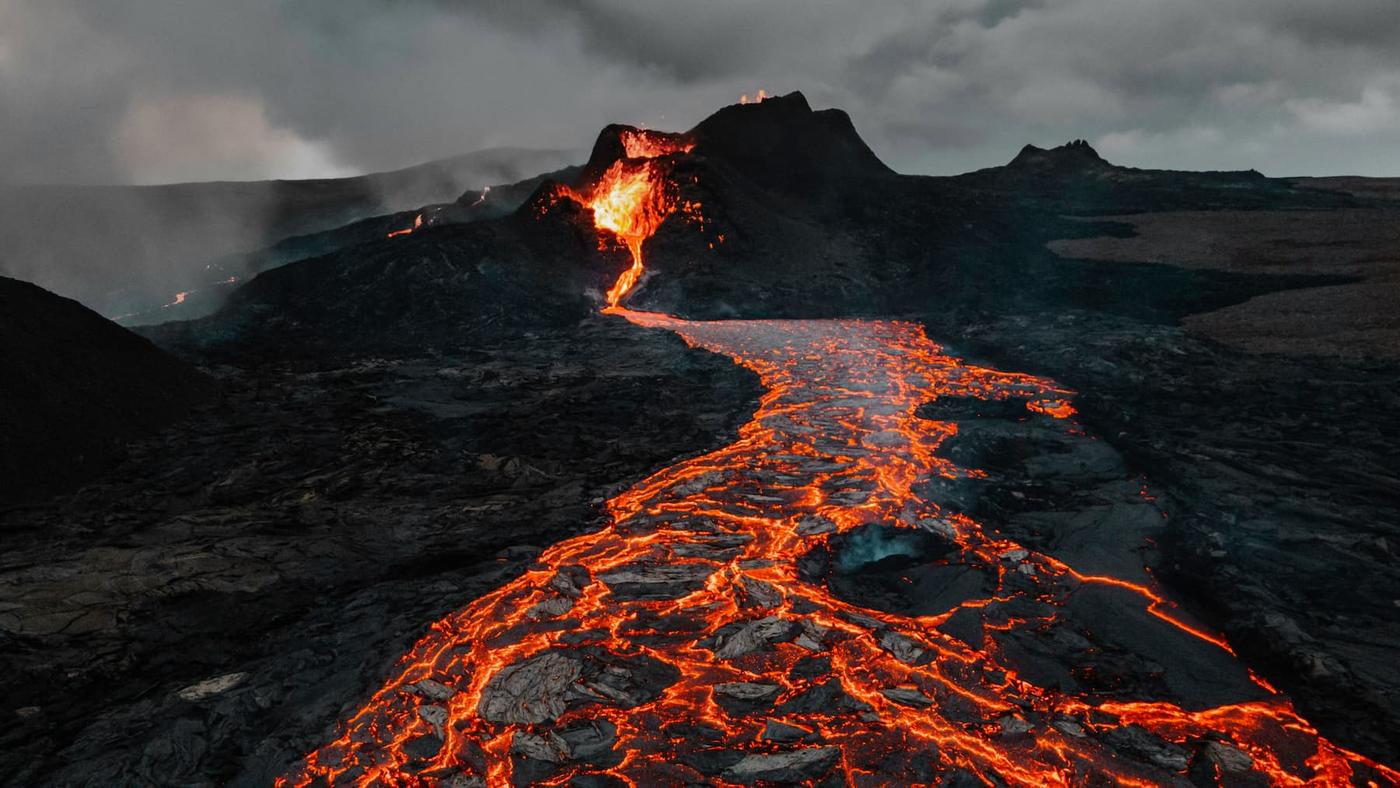
You probably picture volcanoes as mountains that explode once in a while. That's the comforting version. The reality feels much stranger, because volcanoes can change the weather, create lightning, hide beneath oceans, and wake up after centuries of silence. Once you know what they're really capable of, they become a lot harder to ignore.
1. Some volcanoes sleep for hundreds of years, then suddenly wake up
A quiet volcano doesn't always mean a safe one. Some stay dormant for centuries before roaring back to life, which makes them especially dangerous for nearby communities that assume the threat has passed. Mount Pinatubo in the Philippines barely attracted attention before its massive 1991 eruption. Entire generations had grown up without seeing any activity, yet the volcano still had plenty of power left.
2. Volcanoes can create their own lightning storms
Ash clouds don't just block sunlight. They can also produce spectacular bolts of lightning. Tiny pieces of ash crash into each other as they shoot into the sky, building up electrical charges until lightning flashes through the cloud. The result looks almost unreal, like a thunderstorm growing straight out of the crater instead of forming high above it.
3. Most volcanic eruptions happen where you can't even see them
When you imagine a volcano, you probably picture a mountain. But most volcanic activity actually happens on the ocean floor. Huge underwater mountain ranges constantly release lava as Earth's tectonic plates pull apart. Because all of this happens beneath thousands of feet of water, most eruptions pass without anyone on land noticing they happened at all.
4. One eruption can cool the entire planet
Volcanoes don't just affect nearby towns. Big eruptions can change the global climate. When a powerful blast sends sulfur-rich gases high into the atmosphere, those particles reflect sunlight back into space. After Mount Pinatubo erupted in 1991, average global temperatures dropped by about half a degree Celsius for more than a year. That's an astonishing amount of cooling from a single natural event.
5. Fast-moving volcanic clouds can outrun a race car
Lava looks dramatic, but it isn't always the biggest threat. Pyroclastic flows, scorching clouds of gas, ash, and rock, race down volcanoes at speeds that can exceed 100 kilometers per hour. They also reach temperatures hot enough to destroy almost everything in their path. You can't outrun one, and that's what makes them so frightening.
6. Supervolcanoes make ordinary eruptions look tiny
Some volcanoes don't build steep mountains at all. They hide inside enormous depressions called calderas. Scientists classify a few of these as supervolcanoes because they can produce eruptions thousands of times larger than typical volcanic events. Yellowstone sits above one of them. Don't panic, though. Experts don't think another giant eruption there will happen anytime soon.
7. Volcanic ash isn't soft like fireplace ash
The word "ash" sounds harmless until you see it under a microscope. Volcanic ash consists of tiny, jagged fragments of rock and volcanic glass. Those sharp particles can scratch aircraft windows, damage engines, ruin machinery, and irritate your lungs. It behaves more like powdered sandpaper than the fluffy ash left behind after burning wood.
8. Some volcanoes produce deadly gases without erupting
A volcano doesn't need flowing lava to become dangerous. Carbon dioxide and other gases sometimes seep quietly from the ground, collecting in valleys because the gas weighs more than air. In 1986, gas released near Cameroon's Lake Nyos spread across nearby villages while people slept. The invisible cloud caused one of the deadliest volcanic disasters in modern history.
9. Entire islands can appear almost overnight
Volcanoes don't just destroy landscapes. They also create brand-new ones. Underwater eruptions sometimes pile up enough lava and ash to break through the ocean's surface, forming new islands where open water existed before. Some disappear within months as waves wear them away. Others survive, slowly becoming permanent parts of maps that didn't include them before.
10. Volcanoes helped make life on Earth possible
Here's the twist nobody expects. The same forces that make volcanoes terrifying also helped shape the planet you live on today. Ancient eruptions released gases that contributed to Earth's early atmosphere and brought valuable minerals to the surface. Rich volcanic soils now support farms around the world, which explains why millions of people still choose to live close to active volcanoes despite the obvious risks.
The next time you spot a volcano in a documentary or on vacation, remember that you're looking at one of Earth's most unpredictable forces, not just a dramatic mountain. Share this with someone who thinks lava is the scariest part, because now you know the real story goes much deeper.

Devon Walker
Author at SofaBreak — writing on facts and everyday curiosities.