The Real Reason Humans Are the Only Animals That Blush
Your face can betray you before you’ve even decided how you feel. A badly timed compliment, an awkward mistake, or five seconds of unwanted attention can send blood rushing into your cheeks

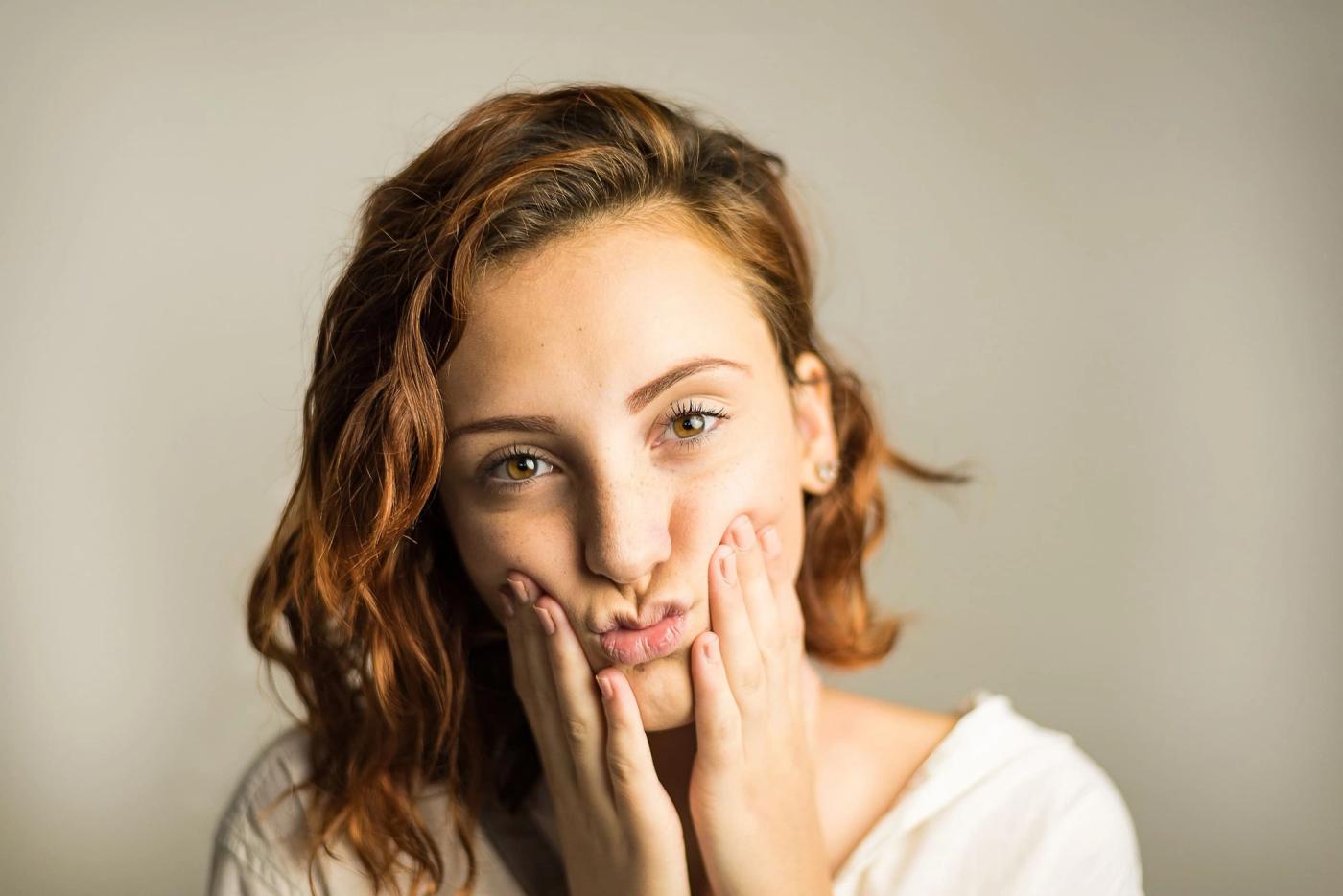
Your face can betray you before you’ve even decided how you feel. A badly timed compliment, an awkward mistake, or five seconds of unwanted attention can send blood rushing into your cheeks, and you can’t simply tell it to stop. Stranger still, no other animal appears to do quite the same thing.
Your Body Gives the Game Away
1. Blushing really does seem uniquely human
Charles Darwin called blushing “the most peculiar and the most human of all expressions,” and nearly 150 years later, that description still holds up. Other animals can show changes in skin color or blood flow, but scientists haven’t found another species that blushes from embarrassment, shame, or social attention the way you do. A dog may look guilty to you. Its cheeks, however, aren’t turning red because everyone noticed its mistake.
2. Your nervous system starts it without asking permission
You can fake a smile. You can force yourself to stop laughing. Blushing plays by different rules because your autonomic nervous system controls it, the same system that handles things such as sweating and changes in heart rate. When social attention makes you feel exposed, nerves can cause blood vessels in your face to widen. More blood reaches the skin, and suddenly your internal discomfort has become annoyingly public information.
3. Embarrassment isn’t the only trigger
Trip in front of a crowded room and a red face makes sense. But you can also blush after receiving praise, meeting someone you’re attracted to, getting accused of something you didn’t do, or simply realizing that everyone has started looking at you. The common thread is self-conscious attention. Your brain recognizes that other people are evaluating you, and your body reacts. Even positive attention can feel socially risky when you become the center of it.
The Weird Psychology Behind the Red
4. Trying not to blush can make you blush harder
Few instructions fail as spectacularly as “don’t blush.” Once you worry that your face might turn red, you start monitoring yourself for heat, tingling, or changes in other people’s expressions. That extra self-consciousness can feed the same reaction you’re desperate to prevent. And there’s an especially cruel twist: worrying about people noticing your blush can become more uncomfortable than whatever triggered it. Your embarrassment suddenly has its own embarrassment attached.
5. Blushing may work as a social apology
A blush can send a useful message without you saying a word: you understand that something awkward happened, and you care what other people think about it. Researchers have found that visible embarrassment can make someone seem more trustworthy or socially sensitive after a mistake. That makes evolutionary sense. Humans survive through cooperation, so showing genuine concern about breaking a social rule may help repair relationships faster than maintaining a perfect poker face.
6. You can blush when you’ve done absolutely nothing wrong
Someone falsely accuses you of stealing, and your cheeks turn red. Terrible timing. Because people often associate blushing with guilt, an innocent blush can look suspicious even though the reaction proves nothing. You may redden because you hate being watched, fear that nobody believes you, or feel embarrassed by the accusation itself. Your nervous system doesn’t run a courtroom. It reacts to social pressure, which means innocence offers no protection from inconveniently pink cheeks.
Why Humans Took It This Far
7. Blushing requires a strange mental superpower
To feel embarrassed, you need more than awareness of what’s happening around you. You need some sense of how you appear inside another person’s mind. Humans become unusually skilled at imagining other people judging, admiring, rejecting, or laughing at us. That mental ability helps you navigate friendships, romance, workplaces, and group rules. It also means one badly delivered joke can follow you home because your brain keeps replaying how everyone else might have interpreted it.
8. Your face makes the signal hard to hide
Blushing often shows most clearly on the cheeks, ears, neck, and upper chest, areas where changes in blood flow can become visible through the skin. That visibility matters. A social signal doesn’t accomplish much if nobody can detect it. Humans also spend an extraordinary amount of time looking at one another’s faces for clues. Your face broadcasts identity, attention, emotion, and intention, so a sudden color change lands on prime social real estate.
9. Darker skin doesn’t mean someone isn’t blushing
A blush doesn’t always produce the obvious bright-red cheeks you see in cartoons. Skin tone affects how easily another person can see the color change, but the underlying blood-vessel response can still happen. People may also feel warmth in their face even when others notice little or nothing. That distinction matters because blushing involves a physical reaction, not a particular visible shade. Sometimes the person experiencing it knows far more about the blush than anyone watching.
The Part That Makes Blushing Useful
10. The fact that you can’t control it may be the whole point
Imagine if you could switch on a convincing blush whenever you wanted sympathy. It would quickly become useless as a social signal. Its involuntary nature gives it credibility because a red face can reveal discomfort you’d rather conceal. That may explain why blushing survived despite feeling so unpleasant. In a species built around complicated relationships, an uncontrollable flash of embarrassment can tell other people, “Yes, I know that was awkward,” before you manage a single word.
Blushing feels like your body sabotaging you, but it may actually reveal one of the traits that makes human social life possible: we care deeply about how we exist in other people’s minds. Share this with someone who turns red the second anybody points out that they’re turning red.

Clara Rhodes
Author at SofaBreak — writing on facts and everyday curiosities.