The Real Science Behind Why Humans Find Babies Cute
Your brain decides a baby looks adorable before you've had time to think about it. Even stranger, the same mental shortcuts can make you smile at a puppy, a cartoon character, or even the front of a small car.

Your brain decides a baby looks adorable before you've had time to think about it. Even stranger, the same mental shortcuts can make you smile at a puppy, a cartoon character, or even the front of a small car. Once you know what's happening behind the scenes, you can't unsee it.
1. Your Brain Spots a Special Face Pattern
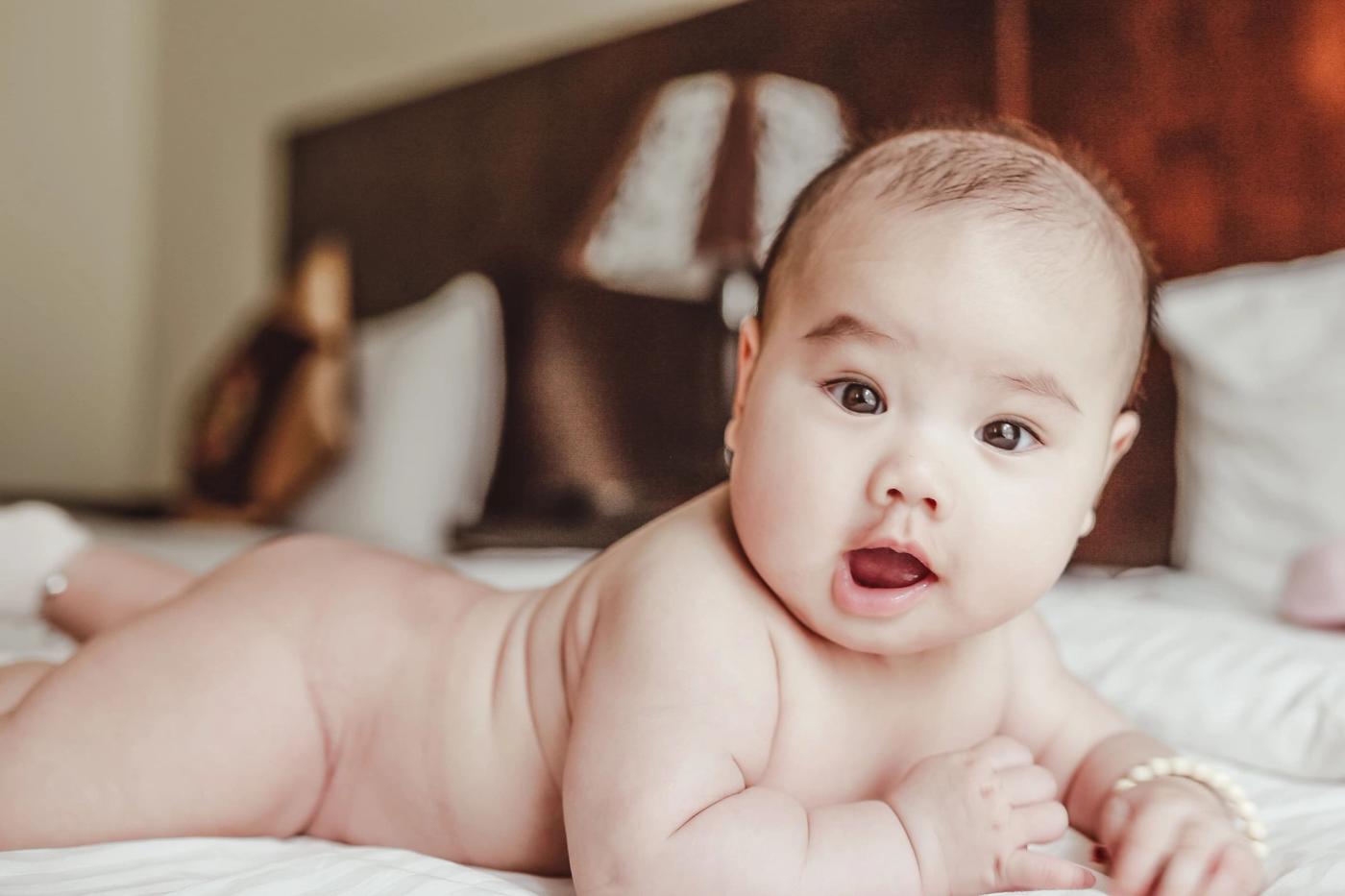
A baby's face follows a surprisingly reliable formula. Big eyes, round cheeks, a tiny nose, and a forehead that seems almost too large all trigger what scientists call the "baby schema." Your brain treats that combination like a priority alert. You don't need to love babies for it to work either. Studies show people across different cultures react to these features in almost the same way.
2. Cute Faces Switch On Your Reward System
Looking at a baby doesn't just make you think, "That's sweet." Your brain actually releases dopamine, the same chemical involved in motivation and reward. That little burst encourages you to pay attention and stay engaged. One unexpected detail? Brain scans show this response can happen in a fraction of a second, long before you consciously decide how you feel.
3. Those Big Eyes Serve a Purpose
People often joke that babies have "Disney eyes," but there's a reason oversized eyes work so well. Human babies arrive with eyes that already sit close to their adult size, while the rest of their face still has plenty of growing to do. That creates exaggerated proportions your brain instantly notices. Cartoon artists borrow the same trick because they know it grabs your attention.
4. Helplessness Makes You Care Faster
A newborn can't walk, feed itself, or even hold its own head up. Your brain reads that total dependence as a signal to protect rather than ignore. Because humans take years to grow up, evolution favored adults who responded quickly to vulnerable infants. That instinct doesn't stay limited to babies either. You probably feel something similar when you see an injured animal that needs help.
5. Your Voice Changes Without You Realizing
Have you ever caught yourself talking to a baby in a higher voice than normal? That's called infant-directed speech, and people across the world do it naturally. Babies pay more attention to those exaggerated sounds, which helps them learn language. Here's the funny part. Even adults often slip into the same voice when chatting with pets because those cute features trigger similar instincts.
6. Oxytocin Helps Build the Bond
People often call oxytocin the "bonding hormone," but it doesn't magically create love on its own. Instead, it strengthens feelings of connection during moments like cuddling, eye contact, or holding a baby. Parents usually experience a strong oxytocin response, yet grandparents, siblings, and caregivers can too. Your body rewards caring behavior because close relationships helped humans survive for thousands of years.
7. Even Tiny Smiles Feel Powerful
Newborn smiles don't always mean happiness. Many happen while babies sleep because their nervous system still develops. Yet adults react with delight anyway. Your brain treats even the hint of a smile as positive social feedback, making you want to smile back. That simple exchange encourages more interaction, which gives babies extra opportunities to learn from the people around them.
8. You Don't Need to Be a Parent
Many people assume only parents experience strong reactions to babies. Research tells a different story. Adults without children often show the same brain activity when looking at infant faces. Age, gender, and personal experience change the strength of the response, but the basic pattern stays surprisingly consistent. Evolution couldn't rely only on parents when entire communities often helped raise children.
9. Cuteness Works on Other Species Too
Think about the last puppy or kitten photo you couldn't scroll past. Chances are it shared many of the same features as a human baby: a large head, huge eyes, and a tiny nose. Those similarities tap into the same mental shortcut. That's why stuffed animals, animated characters, and mascots often borrow baby-like proportions instead of realistic adult ones.
10. Some Companies Design Products to Look Cute
Once scientists understood why baby features grab attention, designers started borrowing them. Small cars often have round headlights that resemble wide eyes. Home robots frequently get oversized "faces" with simple expressions. Even product packaging sometimes uses softer shapes instead of sharp edges. You rarely notice these choices consciously, but your brain responds to them anyway because the same visual cues still work.
Your instinct to find babies cute isn't random or shallow. It's one of the cleverest shortcuts your brain ever developed, and you probably notice its fingerprints everywhere now, from puppies to Pixar characters. Share this with someone who'll never look at a cartoon face, or a puppy, the same way again.

Clara Rhodes
Author at SofaBreak — writing on facts and everyday curiosities.