Why Coffee Works Completely Differently on Some People Than Others
Two people can drink the exact same coffee at the exact same time, and by midnight one is asleep while the other is staring at the ceiling

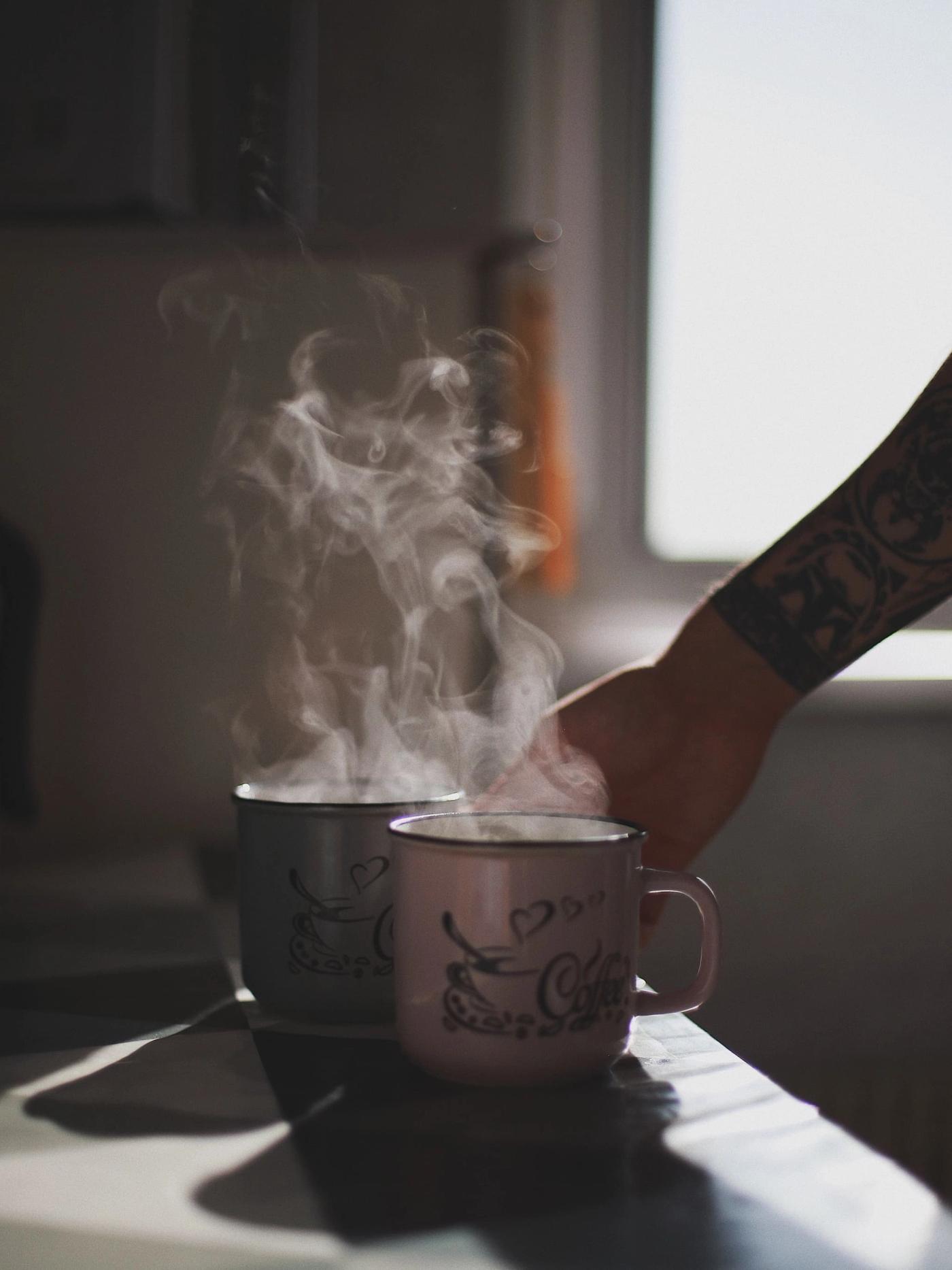
Two people can drink the exact same coffee at the exact same time, and by midnight one is asleep while the other is staring at the ceiling reconsidering every decision they've made since 2009. Your reaction to caffeine depends on a weird mix of genes, hormones, habits, medications and even what you ate that day.
Your Body Has Its Own Caffeine Settings
1. Your genes can make you a fast or slow caffeine processor
Your liver uses an enzyme called CYP1A2 to break down caffeine, and your genes help determine how efficiently that enzyme works. If you're a fast metabolizer, caffeine may clear relatively quickly. Slow metabolizers can feel the effects for much longer. The odd part is that two people with the same coffee habit can experience completely different evenings because of this genetic difference. Your friend who drinks espresso after dinner and sleeps fine may genuinely have an advantage.
2. Caffeine doesn't actually create energy
That alert feeling comes from caffeine blocking adenosine, a brain chemical that builds up while you're awake and helps create sleep pressure. Caffeine fits into adenosine receptors and temporarily keeps the signal from getting through. But the adenosine hasn't disappeared. It keeps accumulating in the background. When caffeine finally wears off, all that waiting sleepiness can suddenly make itself known. That's one reason a productive caffeinated afternoon can end with you crashing hard at 5 p.m.
3. Your sensitivity and your metabolism aren't the same thing
You can process caffeine quickly and still feel extremely wired from a small amount. That's because metabolism describes how fast your body removes caffeine, while sensitivity involves how strongly your brain and nervous system respond to it. One person may barely notice 150 milligrams. Another gets shaky hands and a pounding heartbeat from half that. So when somebody says they're "sensitive to coffee," they may be describing a real biological difference, not a lack of caffeine experience.
The Same Cup Can Change Over Time
4. Regular coffee drinkers build tolerance
Drink caffeine every day and your brain starts adapting to its presence. One response involves changes in the adenosine system, which can make your usual dose feel less dramatic over time. That's why your first coffee habit might have felt like rocket fuel while today's morning mug mostly makes you feel normal. And skipping it can bring headaches, fatigue or irritability. For some regular drinkers, the morning coffee partly reverses overnight caffeine withdrawal rather than creating a huge new burst of energy.
5. Hormonal birth control can make caffeine stick around longer
Estrogen-containing oral contraceptives can slow the body's clearance of caffeine, which means a cup may affect someone for longer than expected. The difference isn't visible in the mug, of course. You could keep drinking the same amount you've always had while your body handles it differently after starting medication. That's a useful explanation for anyone who suddenly finds an afternoon coffee interfering with bedtime when it never caused trouble before.
6. Pregnancy can dramatically slow caffeine clearance
The body handles caffeine differently during pregnancy, especially as pregnancy progresses. Caffeine's half-life can become much longer, meaning the amount circulating in the body drops more slowly than usual. A coffee that once disappeared from your system relatively quickly may linger for hours longer. And because caffeine crosses the placenta, health authorities recommend limiting intake during pregnancy. It's a good example of how your caffeine response isn't a permanent personal setting. Your biology can rewrite the rules.
Timing Changes More Than You Think
7. Smoking can make caffeine leave the body faster
Cigarette smoke activates liver enzymes involved in caffeine metabolism, so smokers often clear caffeine faster than nonsmokers. The unexpected twist comes when someone quits smoking: the same coffee routine can suddenly hit much harder because caffeine now hangs around longer. A person who comfortably drank four cups while smoking may discover that four cups feels awful afterward. The cigarettes weren't cancelling out caffeine, but they were changing how quickly the body dealt with it.
8. Some medications can turn your normal coffee into too much coffee
Certain medicines interfere with the enzymes that break caffeine down. That can increase how long caffeine stays active even when you haven't changed your order at all. Other drugs may add to caffeine's stimulating effects, making jitters, restlessness or a racing heart more noticeable. This is why "I always drink two coffees" doesn't guarantee two coffees will always feel the same. Change the chemistry around caffeine and your familiar dose can suddenly behave like a much bigger one.
Your Coffee Habit Isn't Just About Coffee
9. Food can change how quickly you feel the hit
Drink coffee on an empty stomach and the caffeine may feel faster and sharper than it does after a meal. Food can slow how quickly caffeine reaches peak levels in your blood, spreading the experience out rather than delivering such an obvious jolt. That's why the same morning coffee can feel calm one day and borderline aggressive the next. The caffeine dose hasn't necessarily changed. Your breakfast, or lack of one, may have changed the ride.
10. Coffee contains more than caffeine
Caffeine gets the headlines, but coffee contains hundreds of other chemical compounds, including acids and polyphenols. That matters because some reactions people blame on "caffeine" may involve coffee itself. Someone might feel uncomfortable after a mug of coffee yet tolerate tea or another caffeinated drink more easily. Even brewing method and serving size complicate things further. A "cup of coffee" isn't a standardized dose, so comparing your reaction with somebody else's can be surprisingly meaningless.
Coffee isn't a simple on-off switch for wakefulness. Your body turns every cup into its own little chemistry experiment, so share this with the friend who can drink a double espresso at 10 p.m. and somehow fall asleep before you do.

Ira kapoor
Author at SofaBreak — writing on facts and everyday curiosities.