Why Planes Never Actually Fly in Straight Lines
You probably picture an airplane taking off, pointing toward its destination, and flying there in one clean line

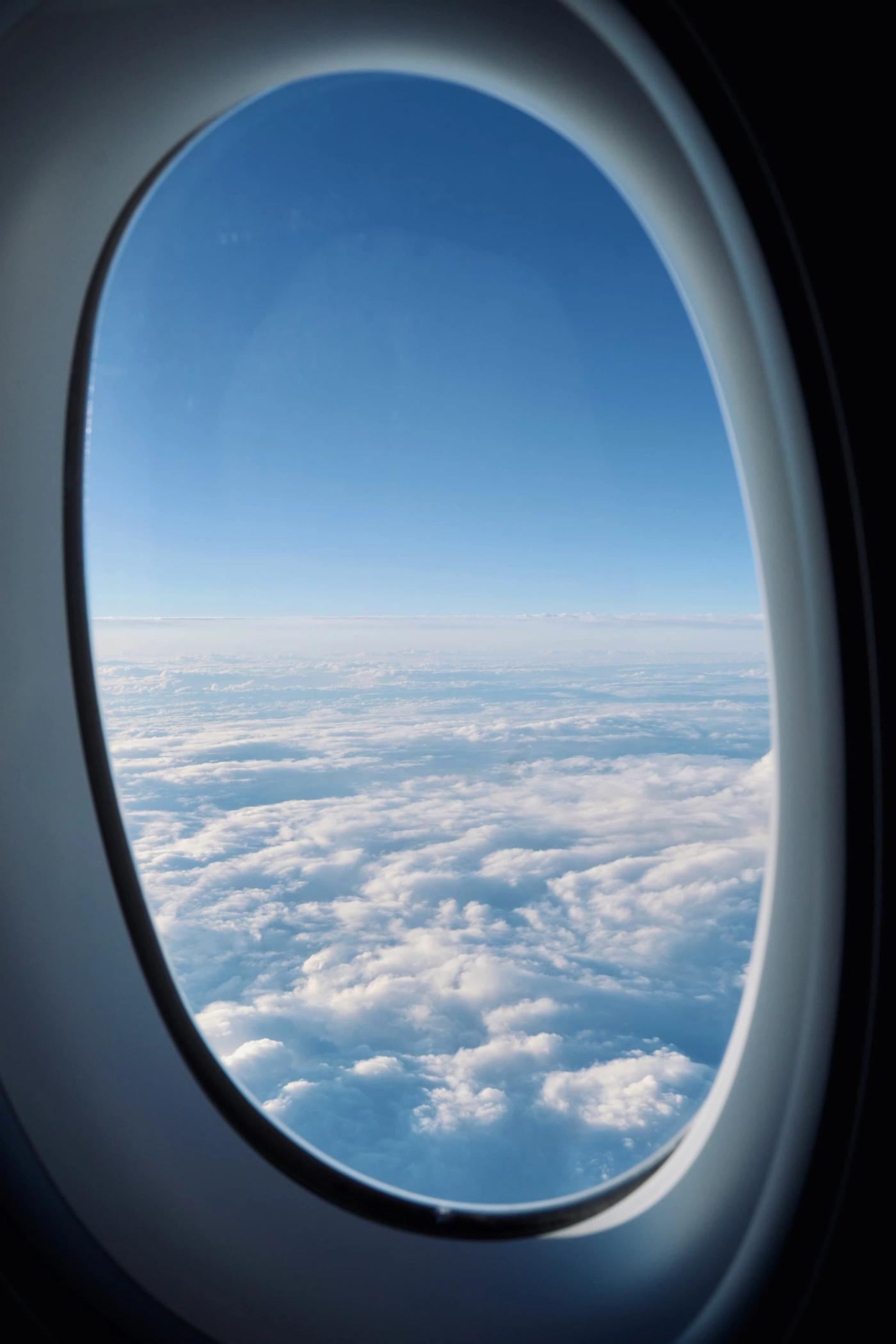
You probably picture an airplane taking off, pointing toward its destination, and flying there in one clean line. That image makes sense, but it couldn't stay in the air for long. Once you look at what pilots, weather, and even the shape of Earth do to every flight, you start seeing air travel in a completely different way.
The Shortest Route Looks Curved
Open a flight map and you'll often see a route that bends north or south for no obvious reason. That's because Earth is round. Airlines follow what's called a great circle route, which gives you the shortest path across a sphere. A flight from New York to Tokyo swings close to Alaska, even though that looks like a detour on a flat map. Your screen lies, the globe doesn't.
2. The Wind Pushes Every Plane
Air moves all the time, and pilots don't ignore it. They use it. Strong tailwinds can shave an hour or more off a long flight, while headwinds do the exact opposite. That's why flights between the same two cities often take different amounts of time. Pilots sometimes aim slightly away from their destination because the wind will gently push the aircraft back onto the planned route.
3. Jet Streams Change Everything
High above the ground, narrow rivers of fast-moving air race around the planet at speeds that can top 200 mph. Airlines love catching these jet streams because they save fuel and time. Flying against them wastes both. A route that looks longer on the map can actually get you there sooner if it lets the aircraft ride one of these invisible highways.
4. Planes Share the Sky
Thousands of aircraft fly at the same time, and they can't all head wherever they want. Air traffic controllers assign routes that keep planes safely separated. Think of the sky as a network of organized lanes instead of one giant open space. A small turn here or a brief detour there helps prevent conflicts long before another aircraft even comes into view.
5. Storms Create Giant Detours
Pilots don't fly through powerful thunderstorms just because the destination sits on the other side. Those towering clouds can produce severe turbulence, hail, lightning, and dangerous updrafts. Weather radar helps crews spot trouble from far away, then they simply steer around it. Sometimes that means drawing a huge arc that adds dozens of miles while giving everyone a much smoother ride.
6. Countries Control Their Own Airspace
The sky has borders, even if you can't see them. Every country decides who can fly through its airspace and under what conditions. Political tensions, military exercises, or temporary restrictions can close entire regions. Airlines then build new routes around them. A flight path might look strange simply because the most direct option isn't available that day.
7. Fuel Stops Shape the Route
Not every aircraft can fly nonstop between every pair of cities. Even long-range jets balance fuel, passengers, cargo, and weather before departure. A heavy aircraft burns more fuel just carrying extra fuel, which creates an odd trade-off. Sometimes a route includes a planned stop or follows airports that serve as practical backup options if conditions change.
8. Mountains Matter More Than You Think
Pilots don't worry only about what's ahead horizontally. They also pay close attention to terrain below. Large mountain ranges create powerful air currents that can make flights rough even on clear days. Routes often avoid the worst areas or cross them at specific points. The smoothest flight sometimes comes from a path that looks less direct on the map.
9. Navigation Happens Through Invisible Checkpoints
Modern aircraft don't simply point toward a city and hope for the best. Flight computers guide them through a series of waypoints stored as GPS coordinates. Connecting those points creates a route that often zigzags slightly instead of forming one perfect line. Most passengers never notice because each adjustment feels tiny from inside the cabin.
10. The Route Can Change Mid-Flight
A flight plan isn't carved in stone once the wheels leave the runway. Controllers might clear pilots onto a shorter route if traffic eases, or they may send them around weather that appeared after takeoff. Fresh wind data can also change the best path across an ocean. Two planes leaving minutes apart for the same destination might follow noticeably different tracks.
The next time you watch your flight creep across the map, remember that every bend has a purpose. Share this with someone who still thinks pilots just point the nose at the destination and hope for the best.

Devon Walker
Author at SofaBreak — writing on facts and everyday curiosities.