Why the Placebo Effect Is More Powerful Than Most People Realise
Your brain can change how much pain you feel because of a pill containing no medicine at all. Stranger still, the effect can sometimes work even when you know the pill is fake.

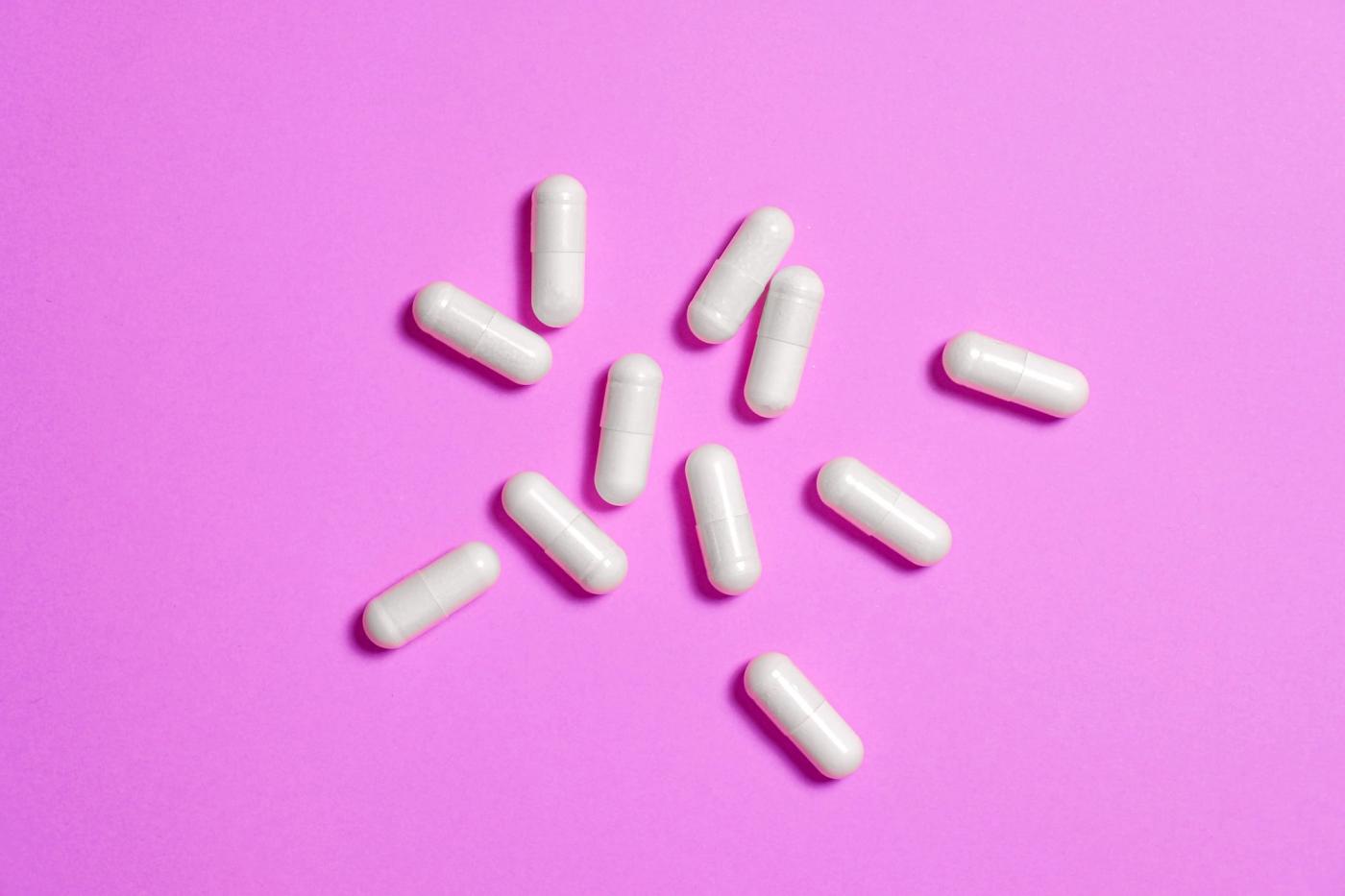
Your brain can change how much pain you feel because of a pill containing no medicine at all. Stranger still, the effect can sometimes work even when you know the pill is fake. Once you start looking at what placebos can do, the line between “real” treatment and expectation gets much weirder than you’d expect.
Your Brain Is Doing More Than Pretending
1. Placebos can trigger real pain relief
Calling placebo pain relief “all in your head” misses the point, because pain itself comes from your nervous system and brain. When you expect a treatment to help, your brain can activate its own pain-control systems and release chemicals including endogenous opioids. Researchers can even weaken some placebo pain relief with naloxone, a drug that blocks opioid receptors. In other words, a sugar pill can kick off some of the same biological machinery targeted by actual painkillers.
2. A placebo can work when you know it’s a placebo
You’d assume the trick stops working once somebody tells you there’s no active medicine in the pill. Not always. Researchers have tested “open-label placebos”, where participants know exactly what they’re taking, and some trials have still reported improvements in symptoms such as pain and irritable bowel syndrome. Nobody needs to secretly fool you. The ritual of treatment, expectations around improvement and your previous experiences with medicine may all contribute to the response.
3. The colour of a pill can change your expectations
Your brain judges medicine before you’ve swallowed it. Studies of drug perception have found that people associate different pill colours with different effects, with warmer colours often linked to stimulation and cooler colours to calming effects. Size, shape and branding can matter too. None of those features changes a pill’s active chemical ingredient, yet they can change what you expect to happen. Apparently, your brain has opinions about pharmaceutical interior design.
Tiny Details Can Change the Result
4. Even the price tag can influence pain relief
In one experiment, researchers gave participants what they described as a new painkiller, then told some people it cost $2.50 per dose and others that it had been discounted to 10 cents. Both groups actually received placebos. The supposedly expensive version produced stronger pain relief. Same fake drug, different price. You already know price changes how you judge wine, clothes and headphones. Your brain can apparently apply similar logic to something as basic as whether a pill “should” work.
5. The person giving the treatment matters
A doctor doesn’t need to hand you a magic pill to influence how you feel. The way a clinician communicates can shape expectations, and those expectations can affect symptoms. Warmth, confidence and a convincing explanation may strengthen placebo responses, while cold or doubtful communication can weaken them. This doesn’t mean bedside manner cures disease. But it does mean the human interaction around treatment can become part of the treatment experience, rather than mere decoration around the prescription.
6. Fake surgery has produced genuine improvement
Placebo research gets especially strange when researchers move beyond pills. Some studies have compared real surgical procedures with “sham” surgery, where patients go through much of the experience without receiving the key surgical step. In trials involving certain knee procedures, patients in sham groups have sometimes reported improvements comparable to those receiving the actual operation. That doesn’t make surgery generally unnecessary. It shows how powerful expectations, recovery routines and the treatment experience can become when researchers carefully isolate them.
There’s a Dark Side Too
7. Placebos have an unpleasant twin called the nocebo effect
Expectation can make you feel worse as well as better. Researchers call this the nocebo effect. If you expect a treatment to cause headaches, nausea or pain, you may become more likely to experience those symptoms, even without a pharmacological cause. Clinical trials regularly see people taking inactive pills report side effects. Read a long medication leaflet and suddenly every minor sensation has competition for your attention. Your brain doesn’t only predict relief. It also predicts trouble.
8. Your past experiences can train a placebo response
Remember Pavlov’s dogs? Humans can develop learned treatment responses too. If you repeatedly take an effective medicine alongside the same sensory cue, such as a particular pill or cream, your body can start associating that cue with what follows. Researchers call this conditioning. Later, replacing the active treatment with a placebo may still produce part of the learned response. Your nervous system, in effect, remembers the routine and starts preparing before the medicine has had a chance to do anything.
9. Placebos don’t affect every symptom equally
There’s a limit to all this, and it matters. Placebos tend to have their clearest effects on symptoms influenced heavily by the brain, including pain, nausea and fatigue. They can change how symptoms feel without eliminating the underlying cause. A placebo won’t shrink a broken bone back into place or kill bacteria causing an infection. That distinction gets lost whenever somebody uses the placebo effect as proof that you can simply “think yourself healthy”. Biology remains stubbornly real.
The Weirdest Part Is What It Reveals
10. The placebo effect helps scientists measure real medicine
Every time researchers compare a new drug with a placebo, they’re asking a clever question: what does the treatment add beyond expectation, attention and the natural ups and downs of symptoms? That makes placebos one of medicine’s most useful measuring tools. A drug needs to outperform that background effect convincingly. So the humble sugar pill isn’t merely a fake treatment. It helps researchers work out whether the expensive, carefully engineered real one deserves your trust.
The placebo effect doesn’t prove your mind can cure anything you throw at it. It reveals something arguably stranger: expectation can become biology, and your brain participates in treatment more actively than most of us realise. Share this with someone who’d never believe number 4.

Ira kapoor
Author at SofaBreak — writing on facts and everyday curiosities.