Why We Feel Pain Differently Depending on Our Mood
The same stubbed toe can feel like a minor annoyance on a great day and a personal attack from the universe on a terrible one.

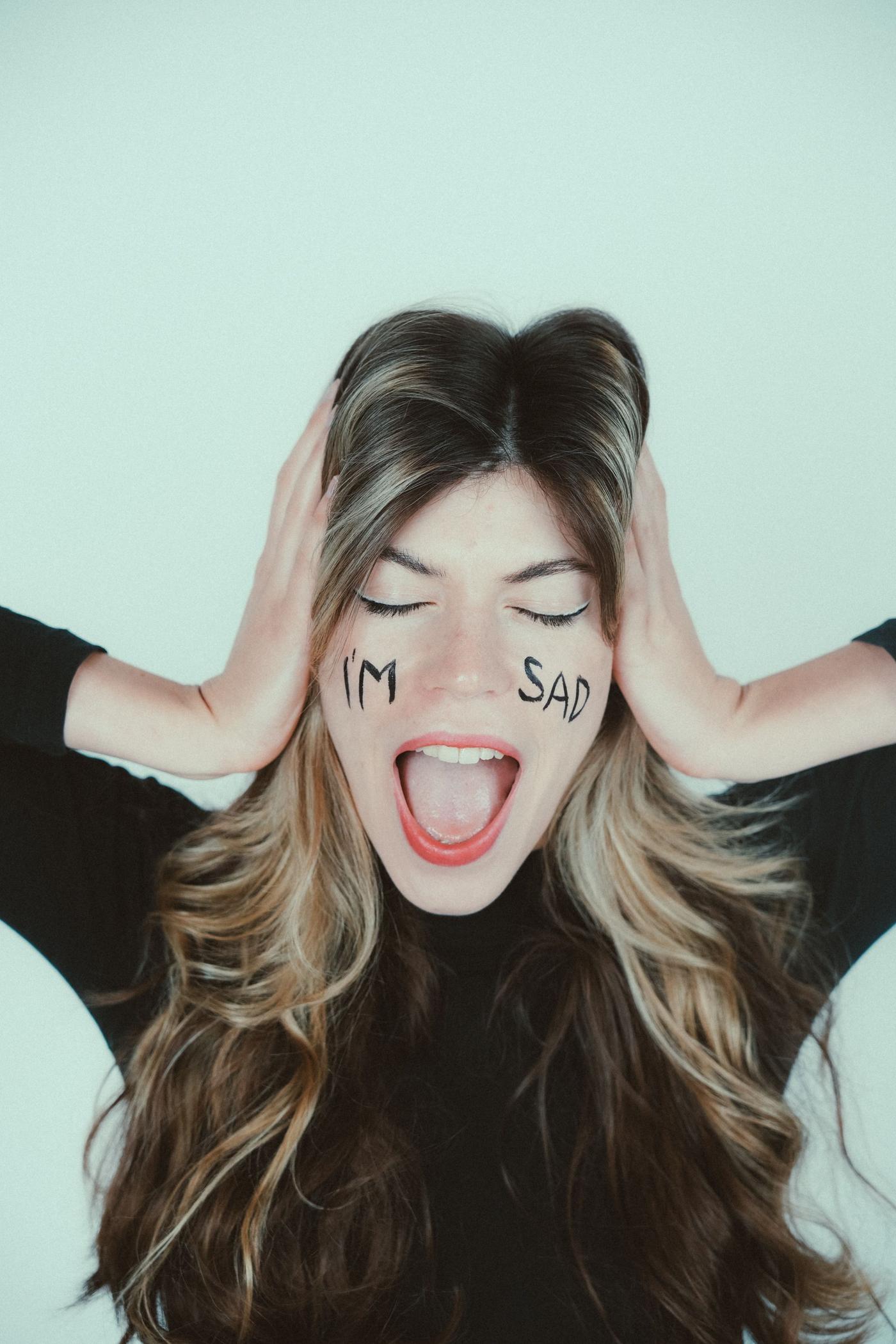
The same stubbed toe can feel like a minor annoyance on a great day and a personal attack from the universe on a terrible one. Your injury hasn’t necessarily changed. Your brain has, and it constantly adjusts the volume on pain according to what else you’re feeling.
Your Brain Has a Volume Control
1. A bad mood can turn the pain dial up
Pain doesn’t travel from your body to your brain like a perfectly accurate damage report. Your brain interprets incoming signals and decides how much attention they deserve. When you feel anxious, angry, or miserable, threatening sensations can grab more of that attention. That means a headache you barely noticed during a fun afternoon may feel impossible to ignore after an awful meeting. Same head, very different experience.
2. Happiness can work like a mild painkiller
A good mood doesn’t magically heal a sprained ankle, but it can change how strongly the pain registers. Positive emotions can activate brain systems involved in pain control, including pathways linked with natural opioid chemicals. The odd part is that you don’t need to feel euphoric. Laughing with friends, enjoying music, or getting absorbed in something you love may give your brain enough competing positive input to turn the discomfort down a notch.
3. Anxiety makes your brain hunt for danger
When you’re anxious, your attention becomes a slightly overenthusiastic security guard. It scans for threats, including sensations inside your own body. A harmless twinge suddenly earns a full investigation: Is it getting worse? What caused it? Should it feel like that? This intense monitoring can make pain seem louder because you keep feeding it attention. And the more threatening the sensation feels, the harder your brain may work to keep it front and center.
Expectation Is More Powerful Than It Looks
4. Expecting pain can make it hurt more
Your brain doesn’t wait politely for pain before reacting. If you expect something to hurt, it can prepare for the threat in advance, and that expectation may intensify what you eventually feel. Researchers call this kind of negative expectation a nocebo effect, the less famous cousin of the placebo effect. Even words matter. Being told that a procedure will be “very painful” can shape your experience before anyone has touched you.
5. Believing something will help can genuinely help
Placebos get treated like proof that someone imagined their symptoms, but that misses the interesting part. Expecting relief can trigger measurable changes in the brain’s pain-control systems. Your brain may release its own pain-dampening chemicals because it predicts that help is coming. That doesn’t mean the original pain was fake. Quite the opposite. It shows that pain is so real and complex that your expectations can alter the machinery producing the experience.
6. Feeling in control can make pain easier to handle
Give two people the same unpleasant sensation, but let one believe they can stop it whenever they want. That person may find it less distressing even if they never press the stop button. Control changes the meaning of what’s happening. Pain you choose, like the burn during a workout, can feel completely different from an identical sensation you can’t escape. Your brain cares about context almost as much as intensity.
Your Attention Changes the Experience
7. Distraction can steal resources away from pain
There’s a reason you sometimes discover a bruise hours after getting it. When your attention stays locked onto something demanding, your brain has fewer resources available for monitoring every ache and sting. Games, conversations, music, and mentally challenging tasks can all compete with pain for attention. One especially strange example comes from virtual reality research, where immersive environments have helped some patients tolerate painful medical procedures by giving their brains a much more compelling place to focus.
8. Boredom can make a small ache feel enormous
Now flip distraction around. When nothing else demands your attention, pain can become the main event. Anyone who has lain awake at 3 a.m. with a toothache knows the effect. The sensation suddenly seems to occupy your entire skull. Nighttime can make this worse because you lose the conversations, movement, screens, errands, and background noise that competed for your attention during the day. Silence gives discomfort a very large stage.
Pain Also Has a Memory
9. Your previous experiences can change today’s pain
Your brain keeps receipts. If you’ve had an intensely painful experience before, a similar situation can trigger fear and heightened attention before anything bad happens. But memory isn’t a flawless recording. Your current mood can influence how you recall earlier pain, which then shapes what you expect next time. This creates a strange loop where yesterday’s pain affects today’s expectations, and today’s emotions can subtly rewrite how awful yesterday seems in retrospect.
10. Social rejection and physical pain overlap in the brain
Getting dumped doesn’t hurt in exactly the same way as touching a hot stove, but the phrase “that hurt” isn’t purely poetic. Brain research has found overlap between systems involved in processing physical pain and the distress linked with social rejection. That connection helps explain why loneliness, conflict, or rejection can make an already painful day feel worse. Your brain doesn’t divide emotional and physical discomfort into tidy little folders. They interact.
Pain feels physical because it is physical, but your brain never experiences it without context. Next time a tiny ache feels weirdly enormous, your mood may be holding the volume knob, so share this with someone who still thinks pain works like a simple on-off switch.

Craig Anderson
Author at SofaBreak — writing on facts and everyday curiosities.