Why Your Fingerprints Are the Most Unique Thing About You
You carry a tiny masterpiece everywhere you go, and you've probably looked at it thousands of times without giving it a second thought.

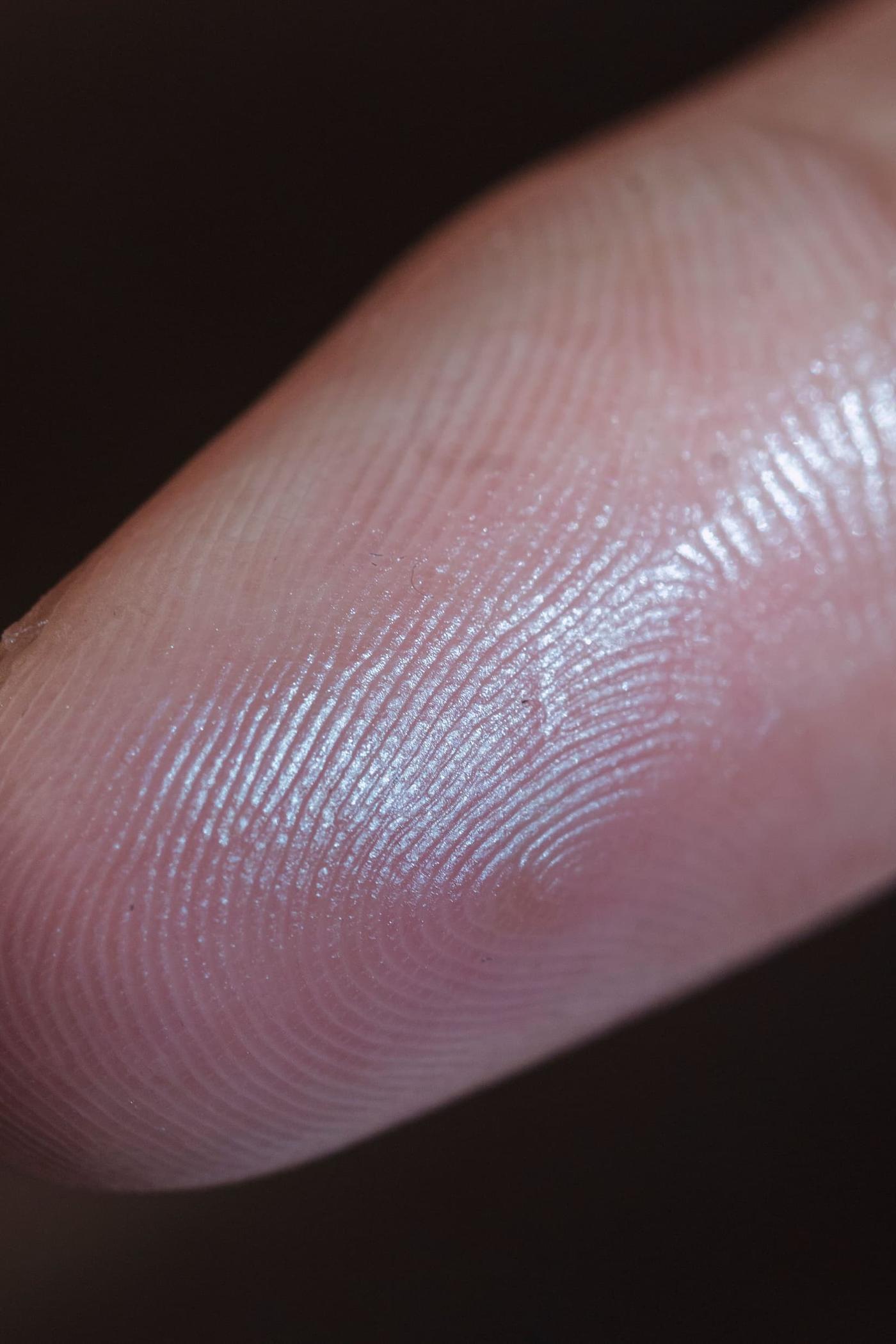
You carry a tiny masterpiece everywhere you go, and you've probably looked at it thousands of times without giving it a second thought. Those little swirls on your fingertips hold more strange stories than most people realize, and some of them sound like science fiction until you discover they're completely real.
1. Your fingerprints formed before you were born By the time you reached the sixth month of pregnancy, your fingerprints had already taken shape. Tiny folds appeared as your fingers grew inside the womb, influenced by pressure, movement, and even the exact position of your hands. That's why identical twins, despite sharing the same DNA, still end up with different fingerprints. Your genes set the stage, but the womb adds its own unpredictable twist.
2. Nobody has ever found two matching sets Police departments, governments, and researchers have compared millions upon millions of fingerprints over the last century. Even with databases containing hundreds of millions of records, nobody has discovered two people with identical complete fingerprints. That's an incredible streak when you think about Earth's population. The odds of a perfect match sit so low that fingerprint identification still plays a huge role in criminal investigations today.
3. You don't just have one fingerprint Most people talk about "your fingerprint" as though you only have one. You actually have ten unique prints, and every finger carries its own pattern. Your left thumb won't match your right thumb, and neither one looks exactly like your index finger. It's like carrying ten different signatures everywhere you go, each with its own tiny ridges and loops.
4. The patterns help you grip almost everything Those ridges don't exist just to identify you. They improve your grip by increasing friction and helping your fingers handle smooth surfaces. Try picking up a slippery glass with soaking wet hands and you'll notice how quickly that grip disappears. The ridges also channel away tiny amounts of moisture, giving you better control when you hold your phone, turn a key, or open a jar.
5. Tiny injuries usually don't erase them You can scrape your finger, burn it lightly, or cut the surface, and your fingerprints usually grow back exactly as before. That's because the pattern lives in a deeper layer of skin. Only injuries that destroy that deeper tissue can permanently change a fingerprint. Some criminals once tried sanding or burning off their fingerprints, but many discovered the original pattern slowly returned anyway.
6. Koalas share this strange talent Here's a detail that sounds completely made up. Koalas have fingerprints that look so similar to human fingerprints that experts sometimes need close analysis to tell them apart. Their ridges evolved independently, which means humans and koalas arrived at almost the same solution despite taking very different evolutionary paths. It's one of the weirdest examples of nature solving the same problem twice.
7. Your fingerprints make touch more sensitive Those little ridges don't just improve grip. They also amplify vibrations when your fingers brush across a surface. Your nerves pick up those tiny signals and help your brain detect textures that would otherwise feel almost identical. That's why you can tell the difference between silk, denim, or fine sandpaper with your eyes closed. Your fingerprints quietly boost your sense of touch every single day.
8. Smartphones rely on details you can't even see When you unlock your phone with your finger, the sensor doesn't simply take a tiny photograph. Modern fingerprint readers map incredibly fine details in the ridges and valleys, then compare them with an encrypted version stored on your device. A small scratch or a little dirt rarely causes problems because the software checks enough unique points to recognize you without needing a perfect scan.
9. Some people don't have fingerprints at all A very rare genetic condition called adermatoglyphia leaves people without fingerprints. Doctors sometimes nickname it "immigration delay disease" because border checkpoints that rely on fingerprint scanners can struggle to identify affected travelers. People with the condition live normal lives, but something most of us never think about suddenly becomes a major inconvenience when official systems expect fingerprints that simply aren't there.
10. Your fingerprints reveal almost nothing about you People often imagine fingerprints as secret windows into personality, intelligence, or destiny. They aren't. Aside from helping identify you and sometimes hinting at a few rare medical conditions, your fingerprints don't reveal whether you're kind, creative, stubborn, or lucky. That's probably the coolest part. They make you instantly recognizable without giving away who you really are. Your identity stays yours to define.
The next time you unlock your phone or leave a smudge on a coffee mug, take another look at those tiny ridges. Then share this with someone who thinks fingerprints are just something detectives care about, they'll probably never look at their hands the same way again.

Clara Rhodes
Author at SofaBreak — writing on facts and everyday curiosities.