Why Your Gut Is Essentially a Second Brain (And What That Means)
You probably expect your stomach to complain when you skip lunch. You don't expect it to influence your mood, your decisions, or even how clearly you think.

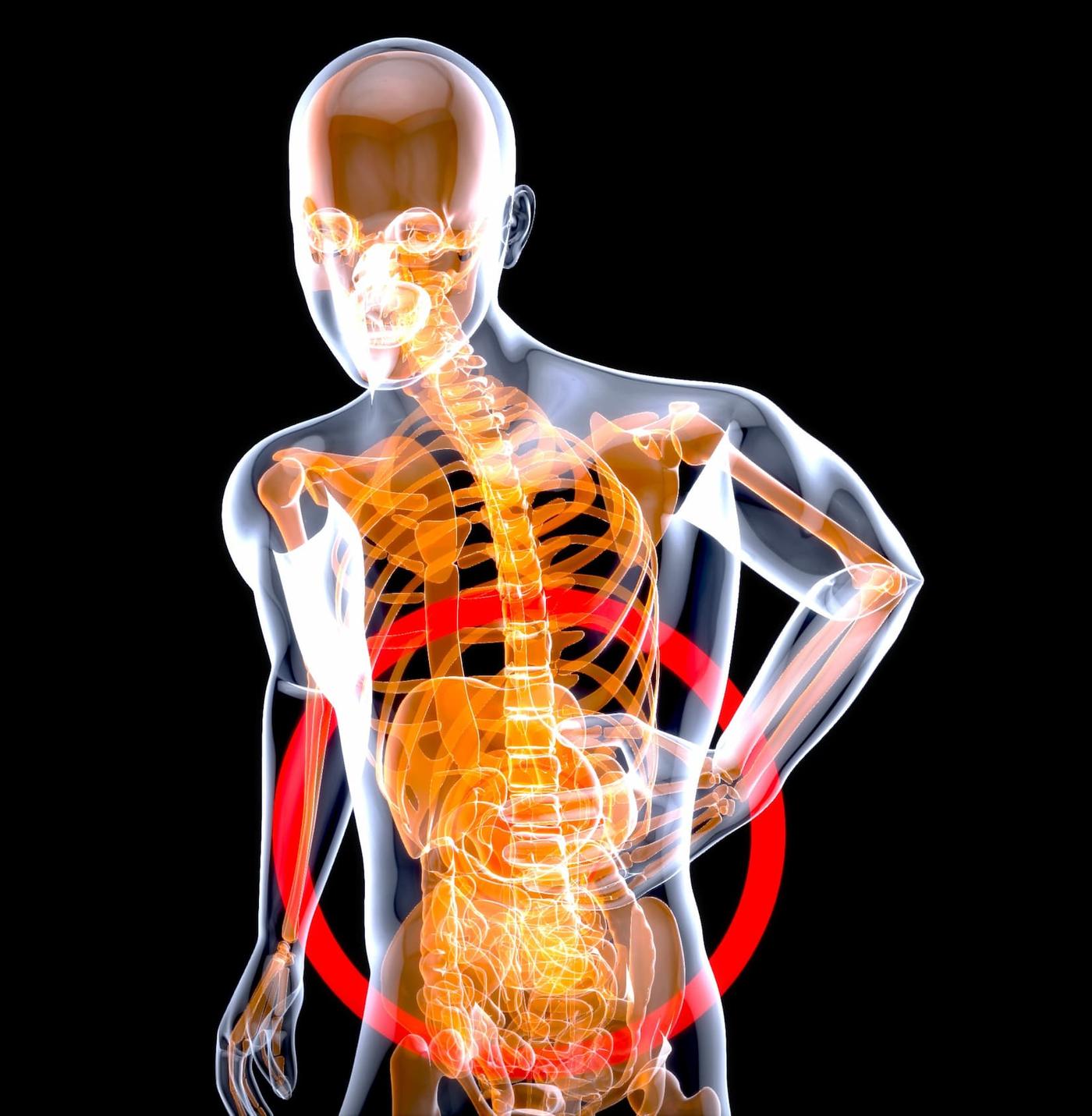
You probably expect your stomach to complain when you skip lunch. You don't expect it to influence your mood, your decisions, or even how clearly you think. Yet hidden inside your digestive system sits a network so complex that scientists gave it a nickname that sounds almost unbelievable: your second brain.
1. Your Gut Has Its Own Nervous System
Your digestive tract contains around 500 million neurons, packed into a network called the enteric nervous system. That's more nerve cells than you have in your spinal cord. This system doesn't wait for your brain to tell it every little thing. It manages digestion on its own, coordinating muscles, enzymes, and blood flow while your brain focuses on everything else. You carry a surprisingly independent control center below your ribs.
2. Your Brain and Gut Never Stop Chatting
Your gut and brain swap messages every minute through the vagus nerve, one of the longest nerves in your body. Most people picture the brain calling all the shots, but many signals actually travel the other way. Your gut constantly reports on what's happening inside you, from nutrients to inflammation. That endless conversation helps explain why stress can upset your stomach almost instantly.
3. Your Gut Helps Make Mood Chemicals
You've probably heard that your body produces most of its serotonin in the gut. While that serotonin doesn't simply drift into your brain and change your mood, your digestive system still plays a huge role in the chemistry that supports communication throughout your body. Researchers keep uncovering links between gut health and emotional well-being, which makes your daily meals feel a little more significant.
4. Trillions of Tiny Roommates Live Inside You
Your gut hosts trillions of bacteria, fungi, and other microbes that form your gut microbiome. Before you panic, most of them help rather than harm you. They break down food, produce useful compounds, and compete with harmful germs. The unexpected part? Together they weigh about as much as your brain, turning your digestive system into a bustling microscopic city that works around the clock.
5. Butterflies in Your Stomach Are Real
That nervous feeling before a big interview or first date doesn't exist only in your imagination. Stress changes the signals moving between your brain and gut, which can slow digestion or make muscles tighten. That's why your stomach can flip, churn, or suddenly lose its appetite. Your emotions leave physical fingerprints inside your digestive system, sometimes within minutes.
6. Your Gut Trains Your Immune System
A huge share of your immune system lives around your digestive tract because that's where your body meets the outside world through food. Your gut acts like a security checkpoint, teaching immune cells what belongs and what doesn't. The surprising twist is that friendly gut bacteria help with that training, almost like experienced coaches showing new recruits how to spot trouble.
7. Food Feeds More Than Just You
Every meal also feeds the trillions of microbes living inside your gut. Different foods encourage different kinds of bacteria to thrive. Fiber-rich foods, for example, help many beneficial microbes produce compounds that support the cells lining your intestines. You're not eating for one. You're feeding an entire community, and what lands on your plate shapes who sticks around.
8. Your Gut Can Influence Your Sleep
A rough night's sleep doesn't just leave your brain foggy. It can also change the balance of your gut microbes. The relationship works both ways because your gut helps produce compounds involved in your body's daily rhythms. Scientists still study exactly how these connections work, but they already know that poor sleep and poor gut health often travel together instead of showing up alone.
9. Antibiotics Can Change Your Inner Ecosystem
Antibiotics save lives, but they don't always distinguish between harmful bacteria and helpful ones. After a course of antibiotics, your gut microbiome can look very different for weeks or even months. That's one reason doctors encourage people to take antibiotics only when they truly need them. Your microscopic community usually bounces back, but it appreciates a little patience.
10. Your Gut Changes Faster Than You Think
Many people assume gut health stays fixed for years, but your microbiome responds surprisingly quickly to changes in diet, sleep, stress, and exercise. Some studies have found measurable shifts within just a few days of changing what people eat. That's encouraging news because small habits can start nudging your gut in a healthier direction much sooner than most people expect.
Your gut does far more than digest lunch. The next time your stomach growls, churns, or settles after a good meal, remember that another busy network inside you has been working all along, and that's the kind of fact worth sharing with someone who thinks the brain does all the hard work.

Ira kapoor
Author at SofaBreak — writing on facts and everyday curiosities.