Why Your Heart Rate Reveals More About Your Health Than Almost Anything Else
Your heart keeps a running commentary on what’s happening inside your body, and it changes its tune long before you consciously notice anything.

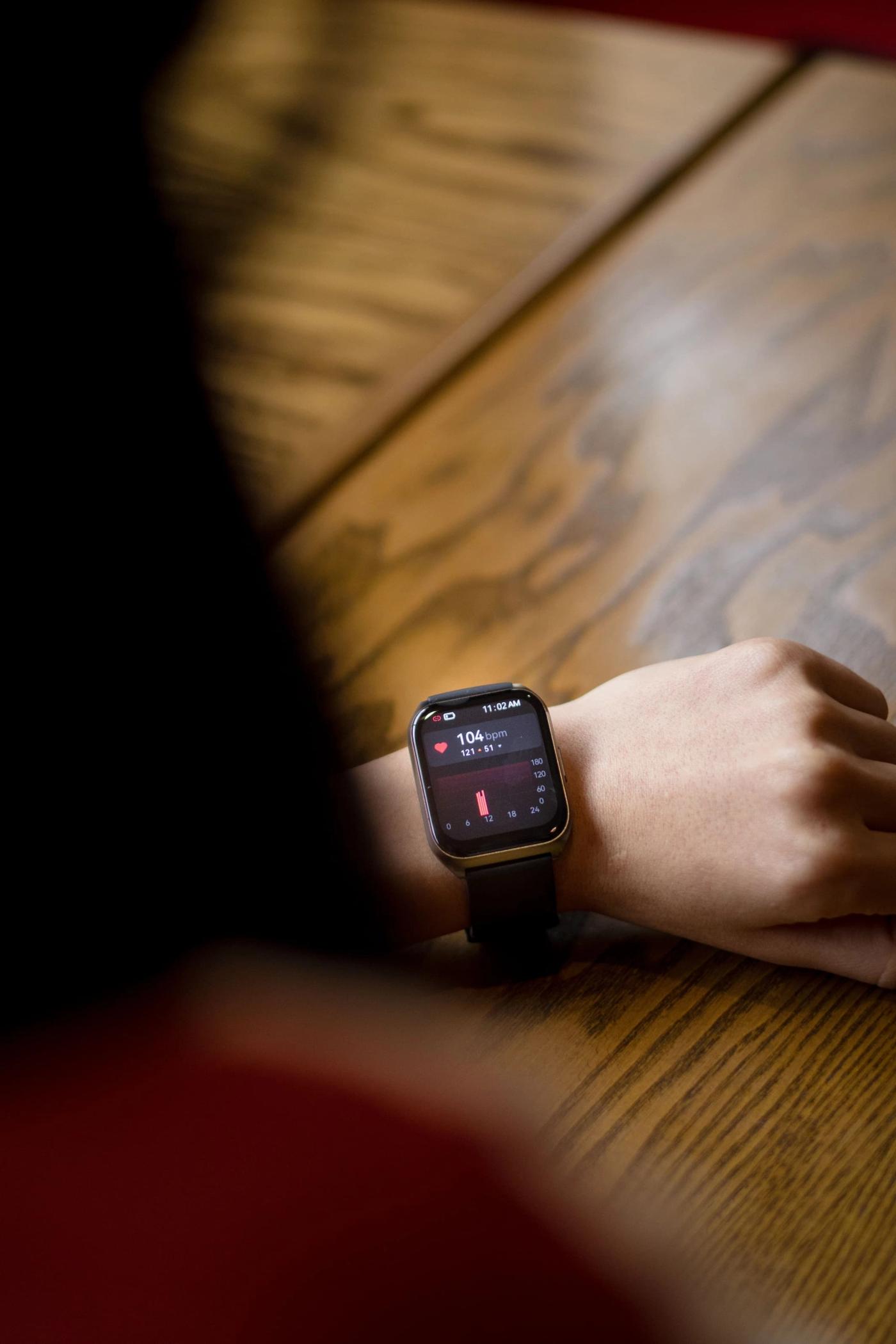
Your heart keeps a running commentary on what’s happening inside your body, and it changes its tune long before you consciously notice anything. Sleep badly, get dehydrated, catch a virus, improve your fitness, drink too much, or spend a week under pressure, and those beats per minute can start telling the story.
Your Everyday Number Says Plenty
1. Your resting heart rate can reveal your fitness
Your resting heart rate is exactly what it sounds like: how fast your heart beats when you’re calm and doing very little. For most adults, 60 to 100 beats per minute falls within the usual range, while trained athletes often sit considerably lower. The cool part is what happens over time. As your cardiovascular fitness improves, your heart can pump more blood with each beat, so it doesn’t need to work as often.
2. A sudden change may matter more than the number
Imagine your resting heart rate normally hovers around 62, then starts hitting 75 every morning. Both numbers can fall within a normal adult range, but that change deserves more attention than comparing yourself with someone else. Your personal baseline gives the number context. Poor sleep, stress, dehydration, illness, alcohol, medication, and hard training can all push it upward. That’s why trends often tell you more than a single smartwatch reading ever could.
3. Your heart rate changes before you feel properly sick
Sometimes your body knows you’re getting ill before you do. When your immune system starts responding to an infection, your resting heart rate may climb as your body deals with inflammation, temperature changes, and extra metabolic demand. You might still feel completely normal at breakfast. Then the sore throat or exhaustion arrives later. A higher pulse doesn’t diagnose an illness, of course, but an unexplained jump can serve as an early clue that something has changed.
Sleep, Stress and Yesterday’s Choices Show Up
4. Bad sleep can follow you into the next day
One rough night doesn’t disappear when your alarm goes off. Sleep loss can affect the nervous system that helps regulate your heart, leaving your pulse higher than usual the following day. And there’s a sneaky feedback loop: stress can wreck your sleep, then poor sleep can make your body respond more strongly to stress. So when your morning heart rate suddenly looks unusual, yesterday’s late night may deserve more blame than today’s workload.
5. Alcohol can keep your heart busy while you sleep
A few drinks might make you sleepy, but your heart may spend the night doing extra work. Alcohol can raise heart rate, disturb sleep quality, contribute to dehydration, and alter the nervous system’s normal overnight recovery pattern. That means you can wake up after eight hours in bed and still see a higher resting pulse than usual. Your wearable may notice the physiological hangover even when your headache hasn’t arrived yet.
6. Stress can speed things up without you moving
You don’t need to sprint for your heart rate to rise. A tense meeting, an argument, a near miss in traffic, or even an alarming notification can trigger your sympathetic nervous system, which prepares your body for action by increasing heart rate. Your body doesn’t particularly care whether the threat has teeth or a calendar invite. And if that pressure sticks around, your resting numbers can remain elevated even while you’re sitting perfectly still.
Exercise Tells a Bigger Story Than Calories
7. Recovery speed can expose your fitness
The number you hit during exercise gets plenty of attention, but watch what happens after you stop. A fitter cardiovascular system usually brings your heart rate down more efficiently during recovery because your nervous system can shift out of high gear quickly. That makes the first few minutes after a workout especially revealing. Two people can reach similar peak heart rates during a run, yet their recovery patterns can look completely different. The cooldown contains information the peak number misses.
8. A lower exercise heart rate can mean you’re improving
Run the same route at roughly the same pace for several weeks and something interesting may happen: your heart rate starts dropping. Your body has become more efficient at supplying oxygen to working muscles, so the same job demands less cardiovascular effort. This is one reason heart rate can reveal progress that the bathroom scale completely misses. You might weigh exactly the same while your heart quietly gets better at handling the hill that used to destroy you.
9. Hard training can sometimes make your numbers worse
More exercise doesn’t always produce better numbers immediately. Stack too many hard workouts together without enough recovery and your resting heart rate may rise while your usual pace suddenly feels harder. Heat, dehydration, poor sleep, illness, and accumulated fatigue can produce similar changes, which makes context essential. But if your familiar workout suddenly sends your pulse higher than usual for several days, your body may be asking for recovery rather than another personal record.
The Pattern Matters Most
10. Your heart rate can reveal what “normal” misses
A heart rate inside a textbook range can still tell you something useful if it behaves differently from your normal pattern. That’s the real advantage of tracking it regularly. You build a personal reference point instead of judging every reading against millions of strangers. But wearables and pulse checks aren’t diagnostic tools. If you notice a persistent unexplained change, an unusually fast or slow pulse, or symptoms such as chest pain, fainting, severe breathlessness, or dizziness, get medical advice.
Your heart beats tens of thousands of times a day, and those beats leave clues about sleep, stress, fitness, recovery, illness, and last night’s choices. Share this with the friend who checks their step count obsessively but barely looks at the little heart number next to it.

Mia Carter
Author at SofaBreak — writing on facts and everyday curiosities.