Why Your Immune System Is the Most Sophisticated Thing in the Known Universe
Right now, millions of cells inside you are checking IDs, destroying compromised neighbors, storing records of old enemies

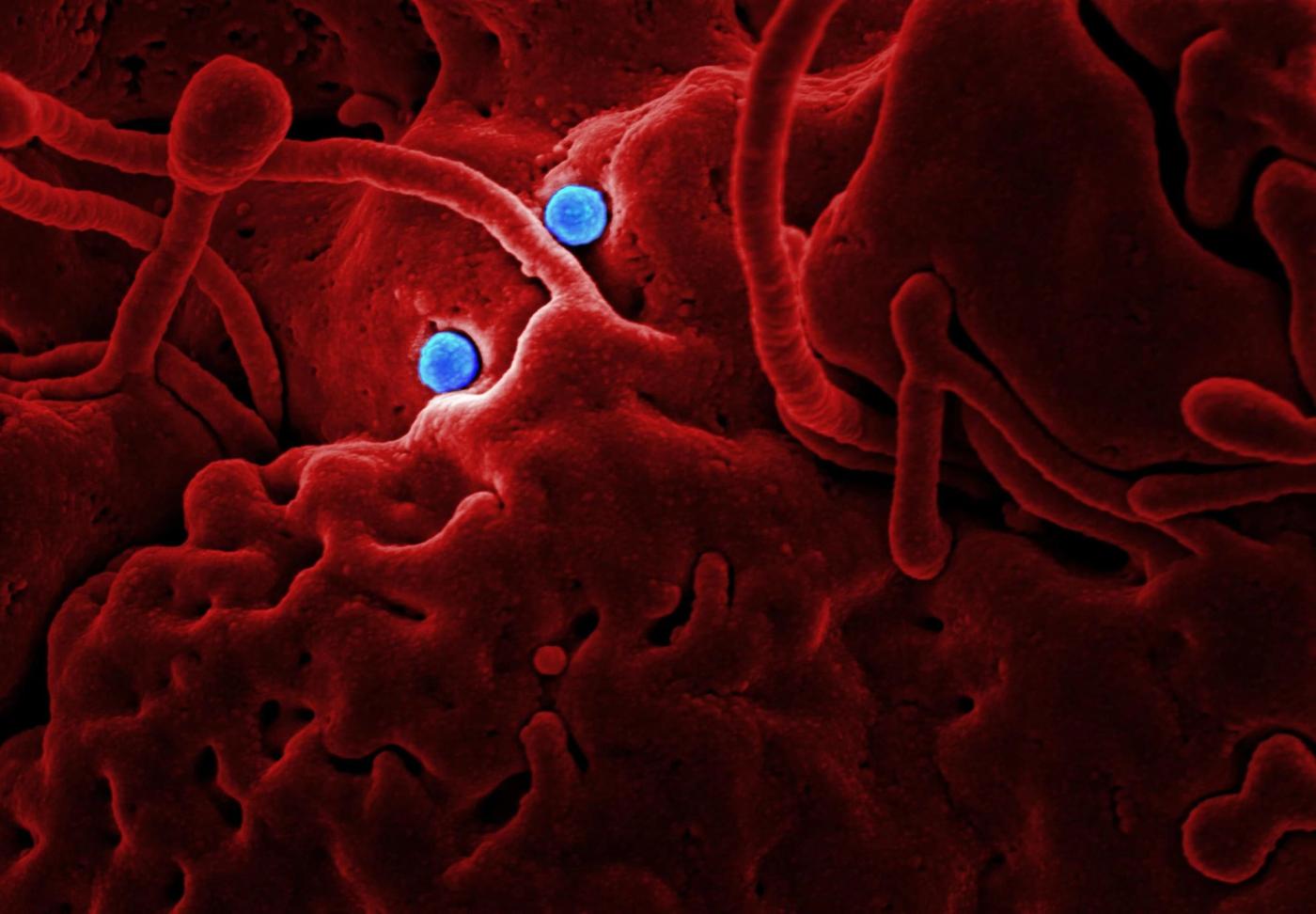
Right now, millions of cells inside you are checking IDs, destroying compromised neighbors, storing records of old enemies and deciding which microscopic strangers deserve to live. You don't feel any of it. And some of the tricks your immune system uses make our smartest technology look oddly primitive.
Your Body Runs Its Own Security Service
1. Your immune system can recognize enemies it's never encountered
Your body doesn't keep a fixed list of germs to watch for. B cells generate an enormous variety of antibodies by rearranging sections of their own DNA, creating receptors for threats you may never meet. That means you entered the world carrying the raw ability to recognize molecules from pathogens that didn't exist when you were born. Your immune system prepares for unknown future enemies without knowing what those enemies will look like.
2. Some immune cells demand to see an ID card
Most nucleated cells constantly display tiny protein fragments on molecules called MHC class I. Think of them as biological status reports showing what's happening inside the cell. Killer T cells inspect those fragments, and if they spot evidence of a virus or other abnormal activity, they can order the cell to destroy itself. Viruses hide inside your cells to escape detection, so your body evolved a system that makes cells reveal pieces of their internal contents.
3. Your immune system sometimes kills your own cells on purpose
A virus hijacking one cell could eventually produce thousands of new viral particles, so your immune system may sacrifice the infected cell before that happens. Cytotoxic T cells can trigger apoptosis, a tightly controlled form of cellular self-destruction. The doomed cell doesn't simply burst and spray its contents everywhere. It dismantles itself into tidy packages that other cells can clear away. Your defenses sometimes save the whole organism through extremely organized demolition.
It Remembers More Than You Realize
4. An infection can leave veterans behind for decades
After an immune response ends, most of the cells recruited for battle disappear. Some don't. Memory B cells and T cells can remain long after the original threat has gone, ready to respond faster if it returns. That's the principle vaccines exploit. And the memory can last astonishingly long: researchers have found people carrying immune cells responsive to the 1918 influenza virus more than 90 years after that pandemic.
5. Your antibodies get better while you're fighting
The first antibody your body produces against a new threat isn't necessarily the best one. Inside structures called germinal centers, B cells deliberately mutate the genes that make their antibodies. Cells producing antibodies that bind their target more tightly receive survival signals, while weaker performers drop out. The process, called affinity maturation, resembles evolution running at high speed inside your lymph nodes. Your immune response doesn't merely grow. It improves its aim while the fight continues.
The Rules Are Stranger Than They Look
6. Your immune system has professional garbage collectors
Macrophages patrol your tissues swallowing bacteria, dead cells and debris through a process called phagocytosis. The name comes from Greek roots meaning "big eater," which fits: a macrophage can engulf material and digest it inside specialized compartments. But cleanup isn't its only job. Macrophages also release chemical signals and present pieces of captured microbes to other immune cells. Your microscopic garbage collectors double as alarm systems and intelligence officers.
7. Your gut contains a massive immune operation
Your intestines spend every day facing an absurd problem. They need to absorb food, tolerate huge communities of helpful microbes and still react when something dangerous crosses the barrier. A large share of the body's immune cells live in or around the gut, where they constantly make those judgment calls. Attack too little and pathogens slip through. Attack too aggressively and harmless food or friendly microbes become targets. Lunch requires more diplomatic skill than you'd think.
8. Fever is something your body actively creates
When immune signals tell your brain that an infection has arrived, the hypothalamus can raise your body's temperature set point. That's why you may shiver even while your temperature climbs: according to the new setting, your body suddenly thinks it's cold. The extra heat can make conditions less comfortable for some pathogens while changing immune activity. Fever isn't simply your body overheating during a fight. Your internal thermostat has deliberately moved the target.
The Most Impressive Trick Is Restraint
9. Your immune system trains cells not to attack you
T cells mature in the thymus, where they face a brutal entrance exam. Cells that can't properly interact with your body's molecular ID system fail. Cells that react too strongly to your own proteins also face elimination. Only a fraction make it through this selection process and enter circulation. The unexpected part is that immune sophistication depends as much on knowing what not to attack as recognizing danger. A weapon that fires at everything isn't much of a defense.
10. Your immune system has brakes, and cancer can exploit them
Immune cells carry checkpoint molecules that help prevent attacks from running out of control. One of them, PD-1, can reduce T-cell activity when it receives the right signal. That's useful for protecting healthy tissue, but some tumors exploit the system by displaying PD-L1, effectively telling attacking T cells to stand down. Modern checkpoint-inhibitor drugs can block that signal and release the brake, letting the immune system attack certain cancers more effectively.
You carry a defense network that learns, remembers, edits its own molecular tools, sacrifices compromised cells and constantly decides when not to fight, all while you scroll through your phone. Share this with someone who'd never believe number 5 is happening inside their lymph nodes.

Ira kapoor
Author at SofaBreak — writing on facts and everyday curiosities.