Why Your Personality Changes More Than You Think Over a Decade
You probably think you’ve got a decent handle on who you are by now.

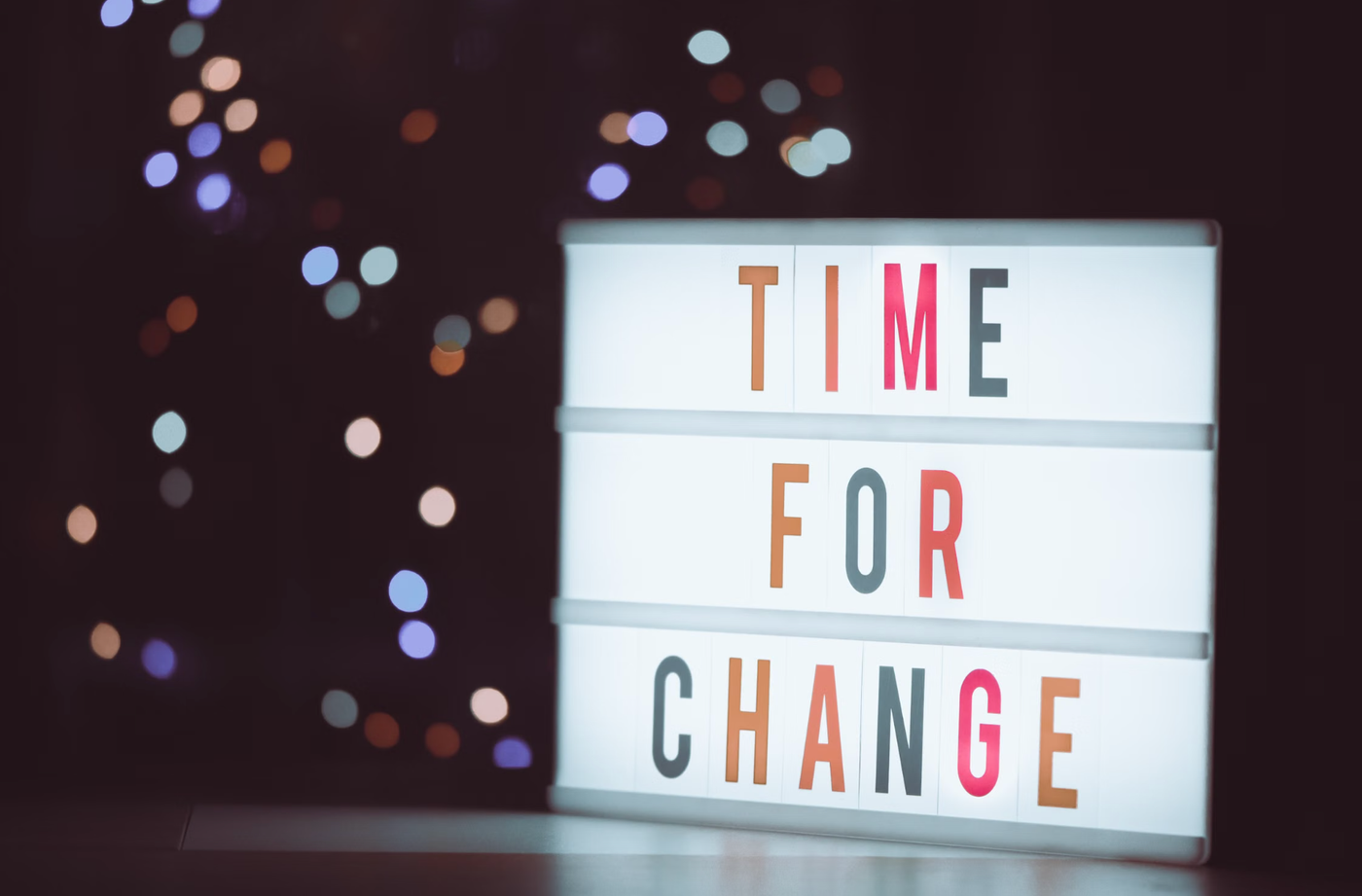
You probably think you’ve got a decent handle on who you are by now. But give yourself ten years and the person looking back at you may have different priorities, habits, confidence levels, and even personality traits you currently consider part of your permanent wiring.
1. Your Personality Keeps Changing After 30
The idea that your personality locks into place once you reach adulthood sounds neat. It’s also wrong. Researchers who track people across adulthood find measurable shifts in major personality traits well beyond your twenties. You might become more emotionally stable, conscientious, or agreeable as the years pass. So the version of you at 35 doesn’t simply have more memories than the version at 25. You may genuinely react to life differently.
2. You Often Become More Emotionally Stable
Remember how one awkward text could ruin an entire afternoon when you were younger? Age can soften that kind of emotional whiplash. Across adulthood, people often become better at regulating negative emotions and less prone to intense emotional swings. The unexpected part is that this doesn’t necessarily mean life gets easier. You may simply get better at deciding which problems deserve your energy, partly because you’ve already survived plenty that once felt catastrophic.
3. Responsibility Can Actually Reshape You
A demanding job, a long-term relationship, parenthood, or caring for someone else doesn’t only fill your calendar. Repeated responsibilities can reinforce behaviors such as planning, patience, reliability, and self-control. Do those things often enough and they can start showing up as broader personality changes. Your environment matters here. Ten years of having other people depend on you can turn “I’m terrible at organizing things” from an identity statement into an outdated description.
4. Your Social Circle Can Change Your Personality
Friends influence more than your music taste and restaurant choices. The people you spend years around can reinforce certain behaviors while making others less useful. A highly social group may pull you toward more outgoing habits, while calmer relationships can reward patience and emotional stability. And there’s a feedback loop: your personality affects whom you choose, then those people help shape the person you become. Your social circle can quietly function like personality training.
5. Major Life Events Don’t Always Change You How You’d Expect
You’d assume a huge promotion, breakup, marriage, or move abroad would permanently rewrite your personality. Sometimes it does. But researchers often find smaller or less lasting changes than people expect because humans adapt quickly. A dramatic event can dominate your life for months without permanently changing your basic tendencies. Meanwhile, boring repeated experiences, such as years of managing deadlines or resolving arguments, can leave a deeper mark precisely because you practice the same responses again and again.
6. You Can Deliberately Nudge Your Personality
Wanting to become more outgoing or disciplined isn’t necessarily wishful thinking. Research on intentional personality change suggests people can shift traits when they repeatedly practice behaviors associated with the person they want to become. The catch is almost annoyingly practical: wanting change isn’t enough. You need behavior. Someone trying to become more extroverted might regularly initiate conversations or accept invitations they’d normally decline. Personality can follow repeated action rather than waiting for motivation first.
7. Other People May Notice the New You First
You experience yourself continuously, which makes gradual change hard to spot. Someone who sees you once every few years gets a completely different view. To them, the contrast can look obvious. Maybe you interrupt less, worry less, speak more confidently, or finally arrive on time. This creates a weird situation where an old friend can notice a personality shift that feels invisible to you. Your self-image may still describe a person you stopped being years ago.
8. Your Goals Pull Your Personality Along With Them
What you want at 22 can look almost alien at 32. As goals change, the behaviors you repeat to reach them change too. Someone chasing novelty may later prioritize stability, while a quiet employee who wants leadership responsibility may practice speaking up until assertiveness feels natural. The unexpected part is how easily cause and effect blur. Your personality shapes your goals, but years spent pursuing those goals can circle back and reshape your personality.
9. Becoming More Agreeable Doesn’t Mean Becoming a Pushover
Personality research often finds increases in traits linked with cooperation and agreeableness across parts of adulthood. That can sound like everyone slowly becomes nicer and easier to boss around. Not quite. Greater agreeableness can mean choosing conflicts more carefully, understanding other people’s motives, and becoming less interested in pointless friction. You can actually become better at setting boundaries while becoming easier to get along with. Maturity sometimes looks less like surrender and more like refusing stupid arguments.
10. You’ll Probably Underestimate How Different Future You Will Be
People can recognize how much they’ve changed in the past while still imagining their current preferences and personality as fairly permanent. Psychologists have described this tendency as the “end of history illusion.” You know teenage you had some questionable ideas, yet future you somehow feels like current you with a few extra birthdays. That assumption can affect big decisions because you’re making choices for someone whose priorities you don’t fully know yet.
Ten years from now, you’ll still recognize yourself, but you may be surprised by which parts stayed and which quietly disappeared. Share this with the friend who insists they’ve “always been this way.”

Jude Archer
Author at SofaBreak — writing on facts and everyday curiosities.