Why Your Sense of Taste Is Unlike Anyone Else's on Earth
A strawberry never tastes exactly the way it does to you. Your best friend, your partner, even your identical twin will experience a slightly different version

A strawberry never tastes exactly the way it does to you. Your best friend, your partner, even your identical twin will experience a slightly different version, and they have no way to compare notes. That tiny everyday mystery comes from a mix of biology, memory, and even the sound in the room.
1. Your Tongue Has Its Own Fingerprint
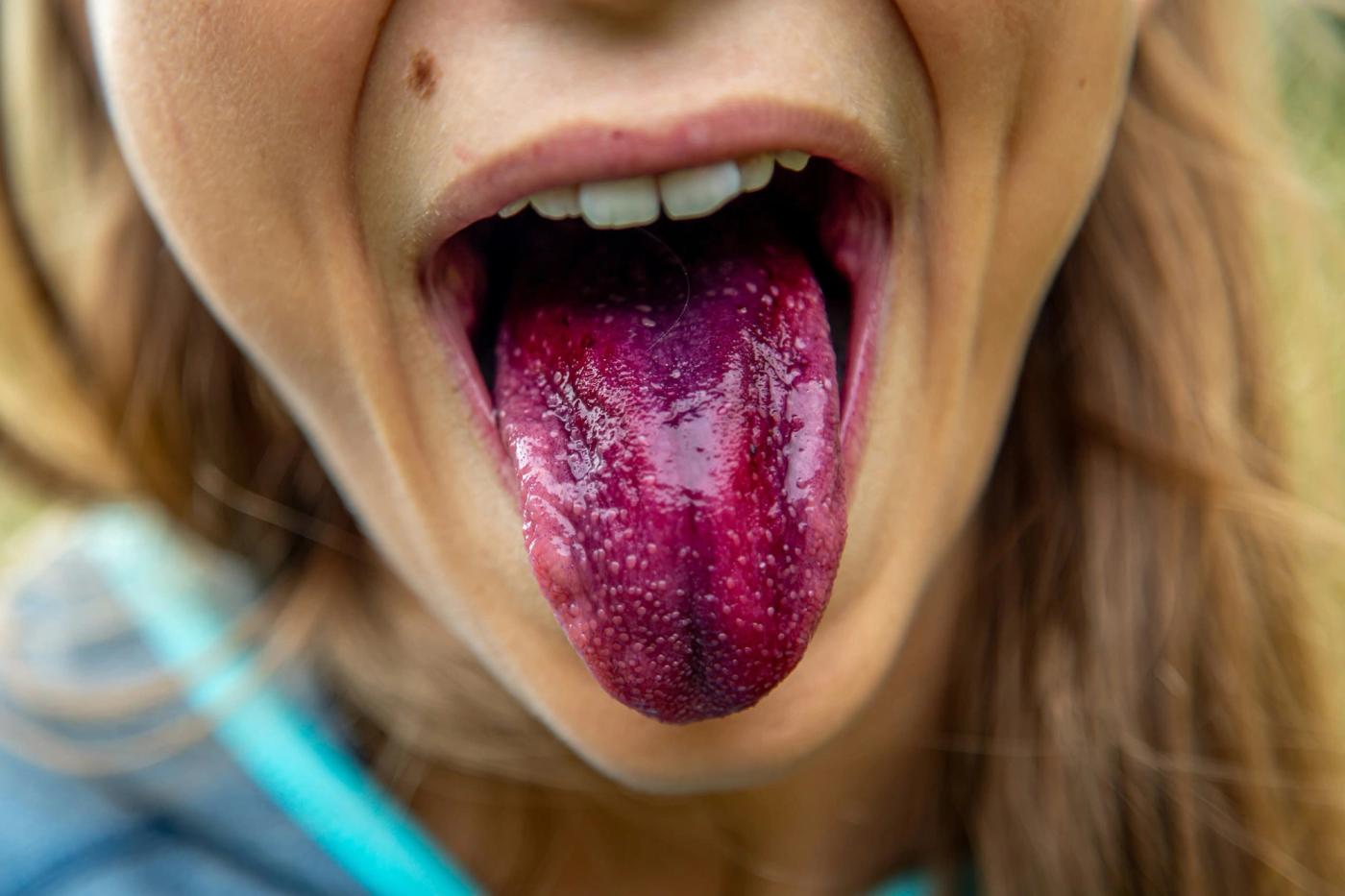
Take a close look at your tongue and you'll find thousands of tiny bumps called papillae. Their number and layout vary wildly from person to person. Some people pack far more taste buds into the same space, which makes bitter foods explode with intensity. That's why one person happily drinks black coffee while another reaches for three packets of sugar without thinking twice.
2. Your DNA Picks Favorites
You inherited more than your eye color. You also inherited taste receptors that decide how strongly you react to certain flavors. A classic example involves compounds found in broccoli, Brussels sprouts, and kale. Some people detect a sharp bitterness that others barely notice. So when your friend says broccoli tastes sweet, they might actually mean it instead of trying to sound healthy.
3. Your Nose Does Most of the Work
Pinch your nose and chew a jelly bean. You'll notice sweetness and maybe a little sourness, but most of the flavor disappears. Your brain combines signals from your tongue and your nose into one experience. That's why a blocked nose during a cold can make pizza seem strangely dull, even though your taste buds still work perfectly well.
4. Memories Sneak Into Every Bite
You don't taste with your mouth alone. Your brain keeps old experiences on standby and mixes them into every meal. A cinnamon roll might remind you of childhood weekends, making it feel warmer and richer than it really is. Another person with a bad memory attached to the same smell could find that identical pastry oddly unpleasant.
5. Loud Music Can Change Flavor
Restaurants spend plenty of time choosing playlists for a reason. High, bright sounds often make food seem sweeter, while deeper tones can boost bitter notes. Researchers have even shown that people describe the same food differently when the soundtrack changes. Your headphones could quietly influence how much you enjoy your afternoon snack without you noticing.
6. Your Age Keeps Rewriting the Menu
Kids often reject vegetables because they usually have more sensitive taste buds than adults. As you get older, many of those receptors become less responsive, so strong flavors lose some of their punch. That's why plenty of people suddenly start loving olives, blue cheese, or dark chocolate in their twenties and thirties after avoiding them for years.
7. Spicy Food Isn't Actually a Taste
Here's the weird part: chili peppers don't activate taste buds. They trigger pain receptors that normally warn you about heat. Your brain interprets that signal as spicy, then rewards you with feel-good chemicals once the danger passes. So the thrill of extra-hot wings has more in common with riding a roller coaster than tasting vanilla ice cream.
8. Tiny Microbes Influence Your Cravings
Your mouth hosts billions of bacteria, and they don't just sit there. Different groups of microbes break down food in different ways, changing the chemicals that reach your taste receptors. Scientists think these tiny residents may even nudge your cravings over time. The snack you suddenly can't stop eating might have a cheering section you can't see.
9. Color Tricks Your Brain
Pour white wine into a dark glass and many people struggle to describe its flavor. Add red food coloring and some tasters suddenly report berry notes they never noticed before. Your brain expects certain colors to match certain flavors, then happily fills in the blanks. You start tasting with your eyes before the first bite reaches your tongue.
10. Nobody Will Ever Taste Exactly Like You
Your genes, memories, age, microbes, health, and environment combine into a flavor system that exists only once on Earth. Even identical twins share experiences that slowly drift apart, creating different preferences over time. Every spoonful of ice cream or sip of coffee passes through a filter built from your entire life, making your personal version impossible to copy.
Next time someone argues that pineapple belongs on pizza or cilantro tastes amazing, remember that you're both telling the truth from your own perspective. Share this with the friend who insists ketchup belongs on everything and see if they finally have a scientific excuse.

James Roberts
Author at SofaBreak — writing on facts and everyday curiosities.