How to Find and Follow Your Favourite Authors Without Losing Track
You find an author you love, promise yourself you'll read more of their work, then forget their name three weeks later.

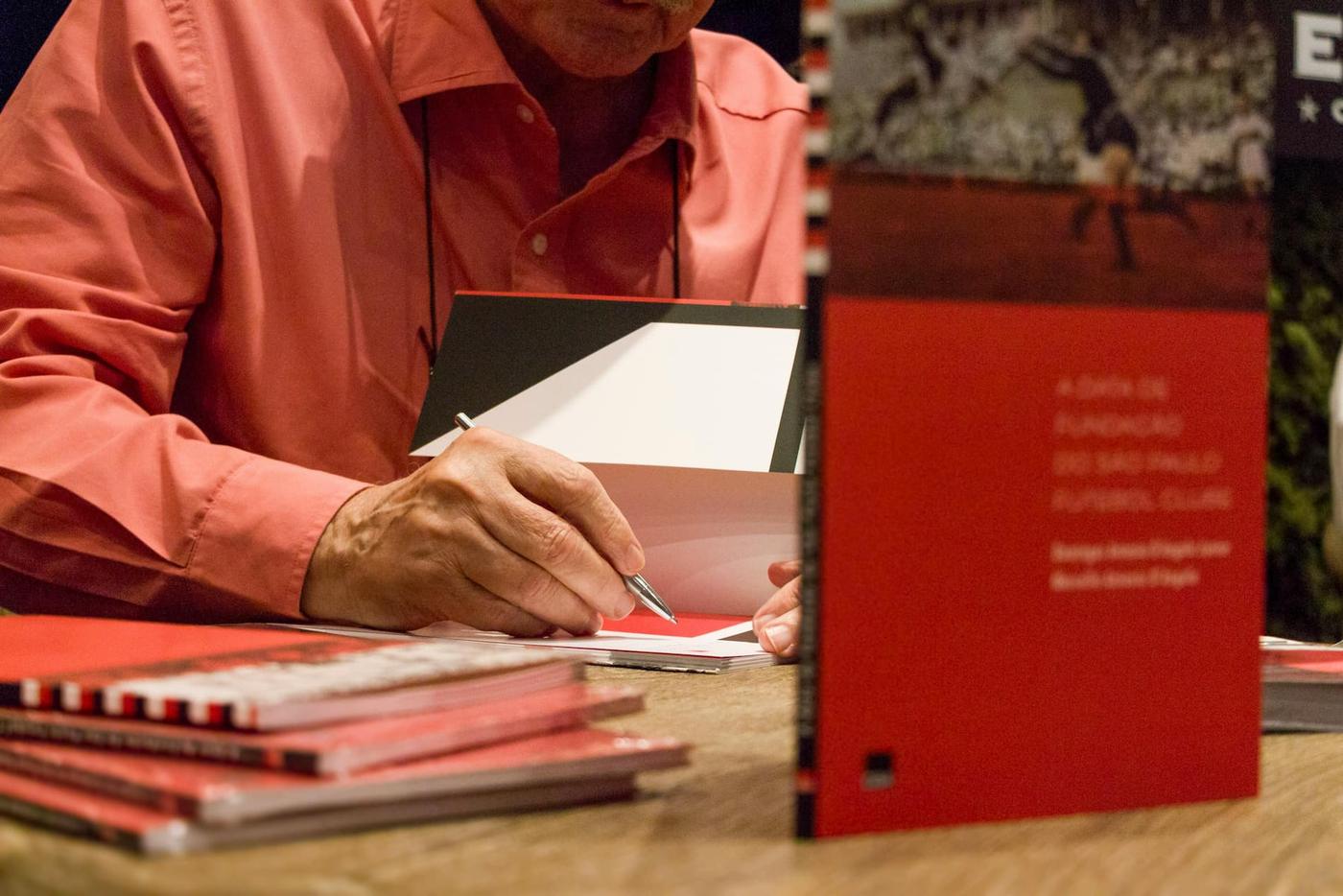
You find an author you love, promise yourself you'll read more of their work, then forget their name three weeks later. Then six months later you accidentally buy book three in a series you didn't even know was a series. Keeping track sounds simple until your reading list starts living across screenshots, tabs, notes apps, and half remembered searches.
1. Start With a Single Place to Store Names
Pick one place where every author goes the second you discover them. Use your phone notes app, a spreadsheet, a reading app, or even a document called "Authors I Want To Read." The tool matters less than consistency. If you split author names across five places, you'll spend more time searching than reading.
Create three simple sections: authors you've read, authors you want to try, and authors you're actively following. That's enough to start.
2. Write Down More Than Just the Author's Name
A name alone becomes useless fast. Add one or two details beside each author so future you remembers why they matter.
Try adding:
The book you discovered them through
The genre they write
A short note like "writes short horror books" or "great for travel reading"
If you write "Sarah J. Maas" with no context, you'll eventually stare at the name wondering why you saved it. Two extra words fix that problem.
3. Follow Their New Releases Before You Forget
This is the step most people skip. It's also the one that stops authors disappearing from your life.
Search for the author's official newsletter, author page, or release announcements and follow one source only. You don't need ten notifications. You need one reliable reminder that tells you when something new exists.
Because timing matters, do this immediately after finishing a book you enjoyed. Waiting until "later" usually means never.
Pro Tip: Create a repeating monthly reminder called "check favourite authors" so you catch releases even if notifications fail or emails get buried.
4. Organise Authors Into Small Groups
Ten favourite authors feels manageable. Fifty doesn't.
Split authors into simple groups based on how you actually read. For example:
Auto-buy authors: you'll read almost anything they publish
Casual favourites: you'll check new releases occasionally
Curious list: authors you haven't tried yet
Small groups stop your list becoming one giant wall of names. And when your list becomes a wall, you stop using it.
5. Track Series Before They Become a Problem
Nothing causes more frustration than accidentally reading books out of order.
When an author writes series, add the series name and the last book you finished. If you read fantasy, thrillers, romance, or mystery, this saves ridiculous amounts of time later.
A simple note works:
"Finished Book 2, waiting for Book 3"
That's it. No complex system needed.
6. Build a Five Minute Maintenance Habit
Your system only works if you touch it occasionally.
Once a month, open your author list and ask three questions:
Did any author release something new?
Did you discover anyone new?
Are there names you no longer care about?
Delete authors you lost interest in. Seriously. Keeping lists full of things you don't want creates guilt, not organisation.
Five minutes is enough.
Common Mistake to Avoid
Most beginners try building the perfect tracking system before they even have a reading habit. They create colour coded spreadsheets, complicated tags, and thirty categories, then stop using all of it after two weeks. Start with a basic list and add complexity only when something annoys you enough to fix it.
Now you're ready to finish a book and actually remember the author six months later. Now you're ready to build a reading habit where your favourite writers stay favourites instead of becoming names you vaguely recognise.

James Roberts
Author at SofaBreak — writing on guides and everyday curiosities.