How to Get Into Cricket as a Brand New Fan
Cricket gets confusing fast when nobody explains what you’re actually supposed to watch.

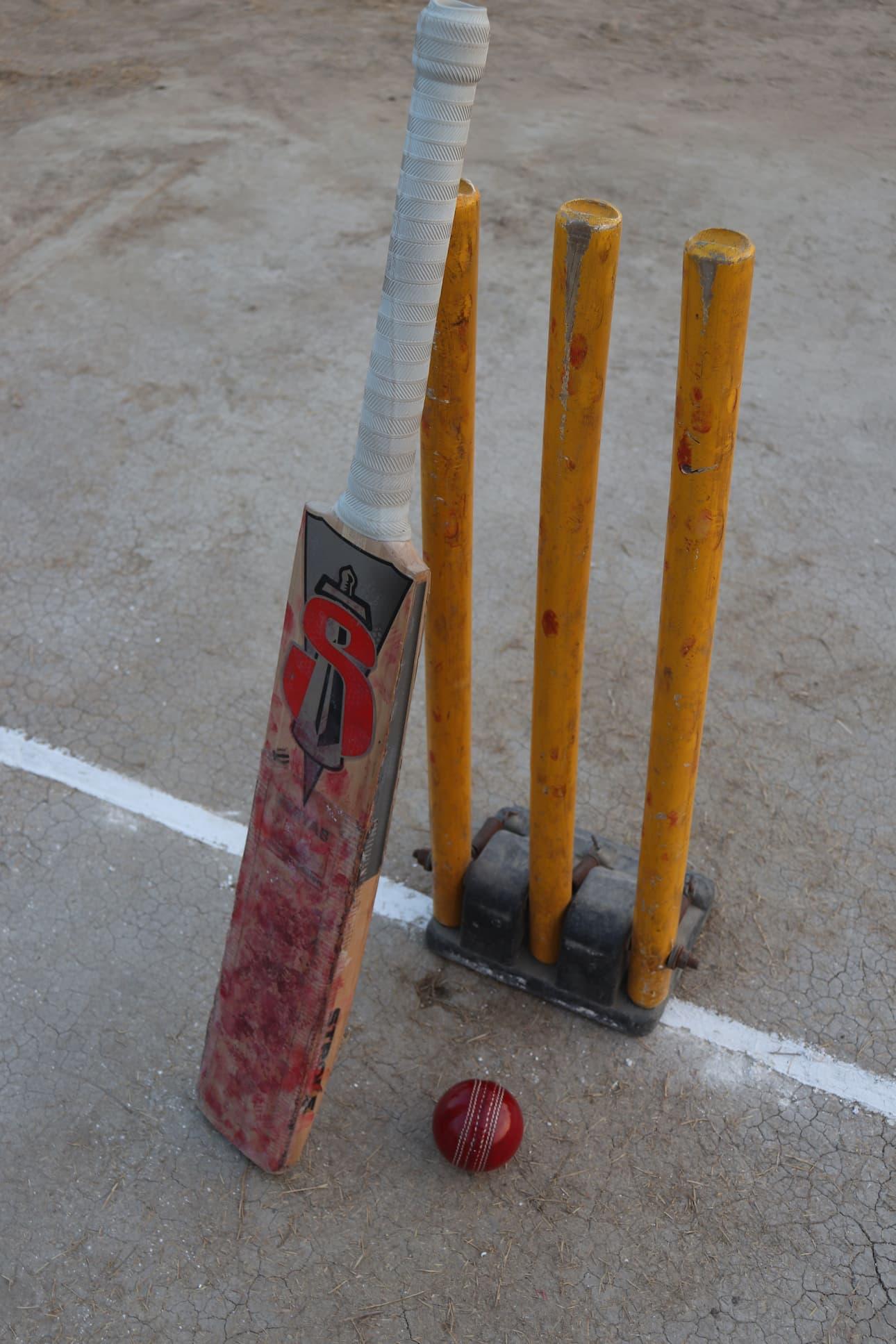
Cricket gets confusing fast when nobody explains what you’re actually supposed to watch. You see 11 players per side, matches that can last anywhere from a few hours to five days, numbers piling up on the screen, and commentators casually throwing around words like “wicket,” “over,” and “powerplay.” You don’t need to understand all of that before you can enjoy a match.
Start With the Version That’s Easiest to Watch
1. Watch T20 Cricket First
Start with Twenty20 cricket, usually called T20, because each team gets 20 overs and a match typically finishes in around three hours. An over contains six legal deliveries, so you’re watching a maximum of 120 legal balls per innings, which gives the game an obvious beginning, middle, and end. Look for a T20 international or a major domestic T20 competition rather than starting with a five-day Test match. Your first goal is simple: watch one complete game and notice how the required scoring rate changes as the match progresses.
T20 also makes the basic contest easier to see because batters have less time to build an innings. They need runs, bowlers need wickets, and both sides constantly make decisions around that pressure. Once that makes sense, longer formats become much easier to follow.
2. Learn the Score Before Learning the Rules
Ignore most of the graphics on screen at first and focus on a score such as 145/4 after 17 overs. The first number means the batting team has scored 145 runs, the second means it has lost four wickets, and the overs tell you how far through the innings it is. If the team batting second needs 181 to win, watch the “runs required” and “balls remaining” numbers because they tell you immediately whether the chase is comfortable or getting desperate.
Learn one more number: the required run rate. If a team needs 60 runs from 30 balls, it needs an average of 12 runs per over from that point. You can now understand the pressure of the match without knowing why a fielder just moved five metres toward square leg.
Pro Tip: Learn to read the score and required run rate before worrying about fielding positions or obscure rules. Once you can tell who’s ahead and how quickly the situation is changing, cricket stops looking like random activity between deliveries.
3. Understand Four Ways the Game Changes
You don’t need the entire rulebook. Start with four events: runs, boundaries, wickets, and overs. Batters score by running between the wickets, while a ball reaching the boundary usually scores four runs and a ball clearing it without bouncing scores six.
A wicket removes a batter from the innings in most situations, so pay attention when one falls because it can change the match immediately. Six legal balls make an over, after which another bowler delivers from the opposite end. Watch for those four things during your first few matches and let everything else become background noise until you need it.
Give Yourself Someone to Care About
4. Pick One Team and Follow It for Five Matches
Choose a team using a connection you already have: your country, city, family, favourite player, or even the first side you enjoy watching. Then stick with that team for at least five matches instead of changing allegiance every time somebody loses. Repeatedly seeing the same players helps you recognise who opens the batting, who bowls at the end of an innings, and who gets trusted when the match gets tight.
Before each game, look at the starting lineup and pick three names to remember. During the match, notice what those three players actually do. By game five, you’ll start recognising roles and personalities without having to memorise a squad sheet.
5. Choose Two Players to Track Closely
Pick one batter and one bowler from the team you’re following. For the batter, track runs scored, balls faced, boundaries, and how their approach changes when wickets fall or the required run rate rises. For the bowler, watch wickets, runs conceded, and when the captain chooses to bring them into the attack.
Don’t worry about deciding whether either player is objectively “great” yet. You’re building reference points. Once you know what one aggressive 40-run innings looks like or how difficult a tight final over can be, other performances start meaning something.
Learn Rules When They Actually Matter
6. Look Up One Confusing Moment at a Time
Cricket has enough rules to turn a beginner’s evening into homework if you try to learn them all before watching. Don’t. When something genuinely affects the match and you don’t understand it, pause and look up that specific rule, whether it’s LBW, a wide, a no-ball, a free hit, a run-out, or a review.
Then go straight back to the game and watch the rule happen in context. You’ll remember LBW much faster after seeing an appeal and replay than after reading three paragraphs about imaginary lines through a batter’s pads. Limit yourself to one or two rule lookups per match so you keep watching instead of studying.
7. Watch the Final Five Overs Differently
When a T20 innings reaches its final five overs, stop watching individual deliveries as isolated events. Check how many wickets remain, which batters are still available, how many overs each bowler can still bowl, and how many runs the batting side needs or wants. A team chasing 50 from 30 balls with eight wickets left faces a very different problem from a team needing the same runs with two wickets left.
Watch what changes when a boundary is hit or a wicket falls. You’ll start seeing why captains change bowlers, why batters suddenly attempt riskier shots, and why one quiet over can create enormous pressure. This is where cricket’s strategy becomes visible without anyone needing to explain a field diagram to you.
Common Mistake to Avoid
The biggest beginner mistake is treating cricket like a subject you need to understand before you’re allowed to enjoy it. Don’t spend your first weekend memorising fielding positions, dismissal laws, tournament structures, and statistical abbreviations. Learn whatever helps you understand the match currently on your screen, then add another piece during the next one. After a handful of games, terms that initially sounded like jargon will start describing things you’ve already seen happen.
Now you’re ready to pick a T20 match, read the score, choose a side, and understand enough to care about what happens next. Keep watching actual games, and cricket will teach you the details faster than any rulebook ever could.

Devon Walker
Author at SofaBreak — writing on guides and everyday curiosities.