How to Get Into Graphic Novels as an Adult Who Has Never Tried Them
You keep hearing people rave about graphic novels, but every time you walk into a bookstore or scroll a recommendation list, you have no idea where to start

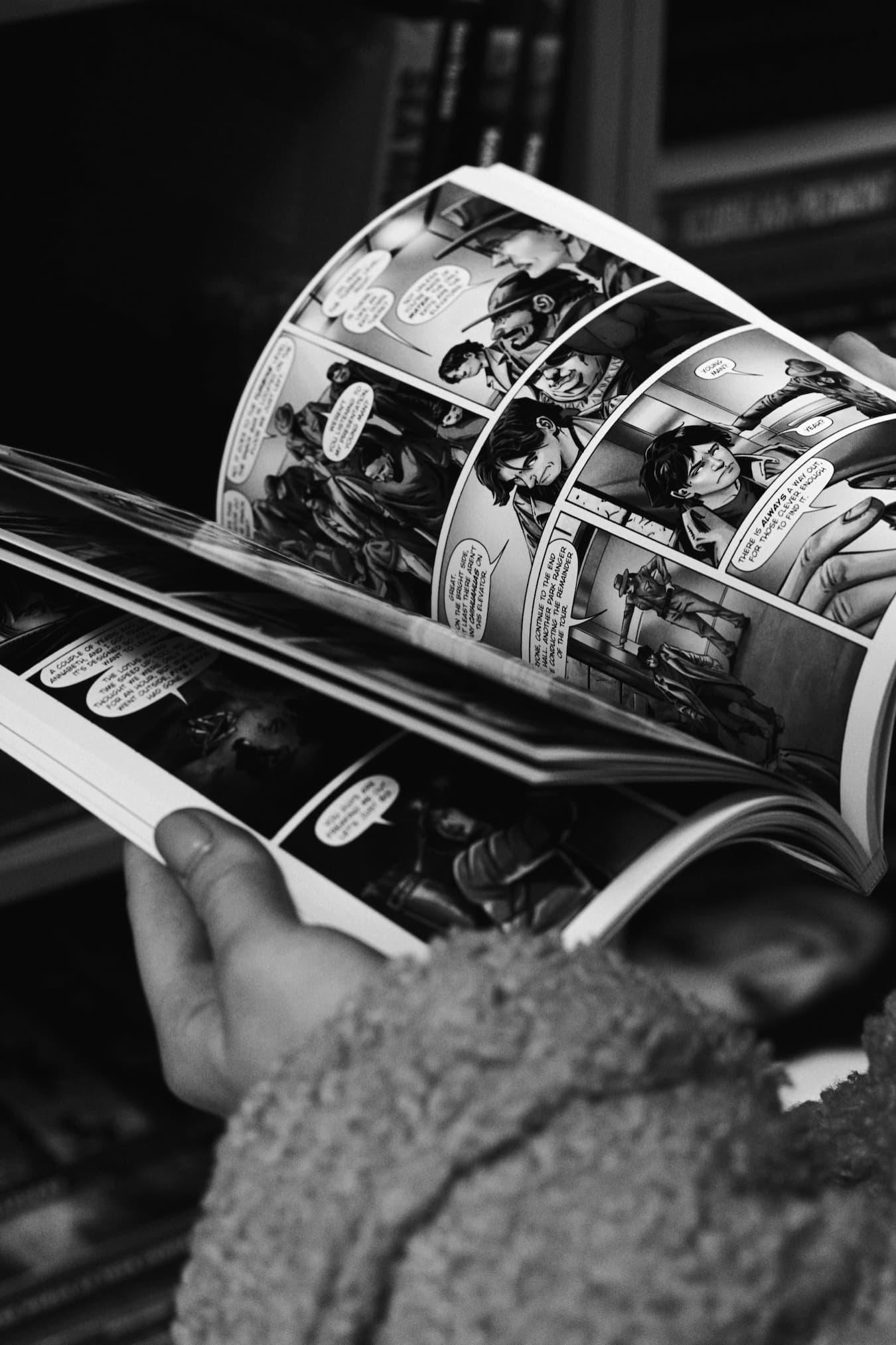
You keep hearing people rave about graphic novels, but every time you walk into a bookstore or scroll a recommendation list, you have no idea where to start. The shelves look packed, the genres seem all over the place, and picking the wrong first book can make the whole format feel confusing. The good news is that getting into graphic novels is much easier when you stop treating them as a separate hobby and start treating them like another way to enjoy a great story.
1. Forget Superheroes for a Minute
Most beginners assume graphic novels are all capes, villains, and decades of complicated backstory. That's often the biggest mental barrier. Instead of starting with what you think graphic novels are, start with stories you already enjoy in other formats.
If you like crime dramas, look for crime graphic novels. If you enjoy memoirs, look for autobiographical stories. If you love science fiction, fantasy, horror, or romance, you'll find graphic novels in every category. Treat the format like a bookshelf, not a genre.
2. Pick One Complete Story
Your first graphic novel should have a clear beginning, middle, and ending. Avoid massive series that require ten volumes of reading before anything pays off. You want a complete experience that helps you understand whether the format works for you.
Check the description before you start. Look for terms such as "standalone," "complete edition," or "original graphic novel." Finishing one full story builds confidence much faster than getting stuck halfway through a long series.
3. Read the Sample Pages Before Committing
Graphic novels tell stories through words and images together. Because of that, the artwork matters just as much as the plot. A story that sounds perfect on paper can feel impossible to enjoy if you dislike the visual style.
Read several sample pages before choosing a book. Pay attention to whether the artwork feels easy to follow. If you find yourself confused about who is speaking or what is happening, put it back and try something else. Your first experience should feel effortless.
4. Learn How to Read the Page
Many adults worry they're reading graphic novels incorrectly. Usually they're moving too quickly. Instead of racing through dialogue, slow down and spend a few seconds looking at each panel.
Notice facial expressions, background details, and visual clues. Artists often communicate information without writing it explicitly. Once you start reading both the words and the images, stories become much richer and easier to follow.
Pro Tip: If you finish a page and can't remember what happened visually, go back and read it again more slowly. Most new readers focus on the text and miss half the story hiding in the artwork.
5. Use Your Existing Interests as a Shortcut
You don't need to become a graphic novel expert. You only need to find one story that connects with something you already care about. Think about your favorite movies, TV shows, books, or hobbies.
Love true stories? Try nonfiction graphic novels. Enjoy psychological thrillers? Start there. Interested in history? There are graphic novels built around real events and historical figures. Familiar interests dramatically increase your chances of finding a book you actually finish.
6. Give Yourself Permission to Quit a Bad Fit
Many adults force themselves through books they aren't enjoying because they assume the problem is their lack of experience. Most of the time, the problem is simply the wrong book. Graphic novels vary wildly in style, pacing, artwork, and tone.
If you're bored after a reasonable effort, move on. One disappointing graphic novel tells you almost nothing about the format as a whole. Finding the right match matters more than finishing every book you start.
7. Build Momentum With Three Different Styles
After you finish your first graphic novel, don't immediately decide whether you're a fan. Read two more that are noticeably different. Try different genres, art styles, and storytelling approaches.
One book can feel average. Three books give you a much clearer picture. By the time you've completed a small mix of stories, you'll start noticing what types of graphic novels appeal to you and which ones don't.
Common Mistake to Avoid
The biggest mistake beginners make is starting with something chosen for its reputation rather than their own interests. A critically acclaimed graphic novel can still be a terrible first choice if you don't care about the subject matter. Many people conclude they dislike graphic novels when they actually disliked one specific book. Pick stories that sound genuinely interesting to you, even if they aren't considered classics.
Now you're ready to pick a graphic novel without feeling overwhelmed by endless options. Find one complete story that matches your interests, give it a fair chance, and you'll quickly discover whether you've been missing out on an entirely new way to enjoy great storytelling.

Clara Rhodes
Author at SofaBreak — writing on guides and everyday curiosities.