How to Write a Movie Review That People Actually Want to Read
Most people stop reading movie reviews after the first few lines. They hit a wall of plot summary, vague praise, or an avalanche of references that only film students understand

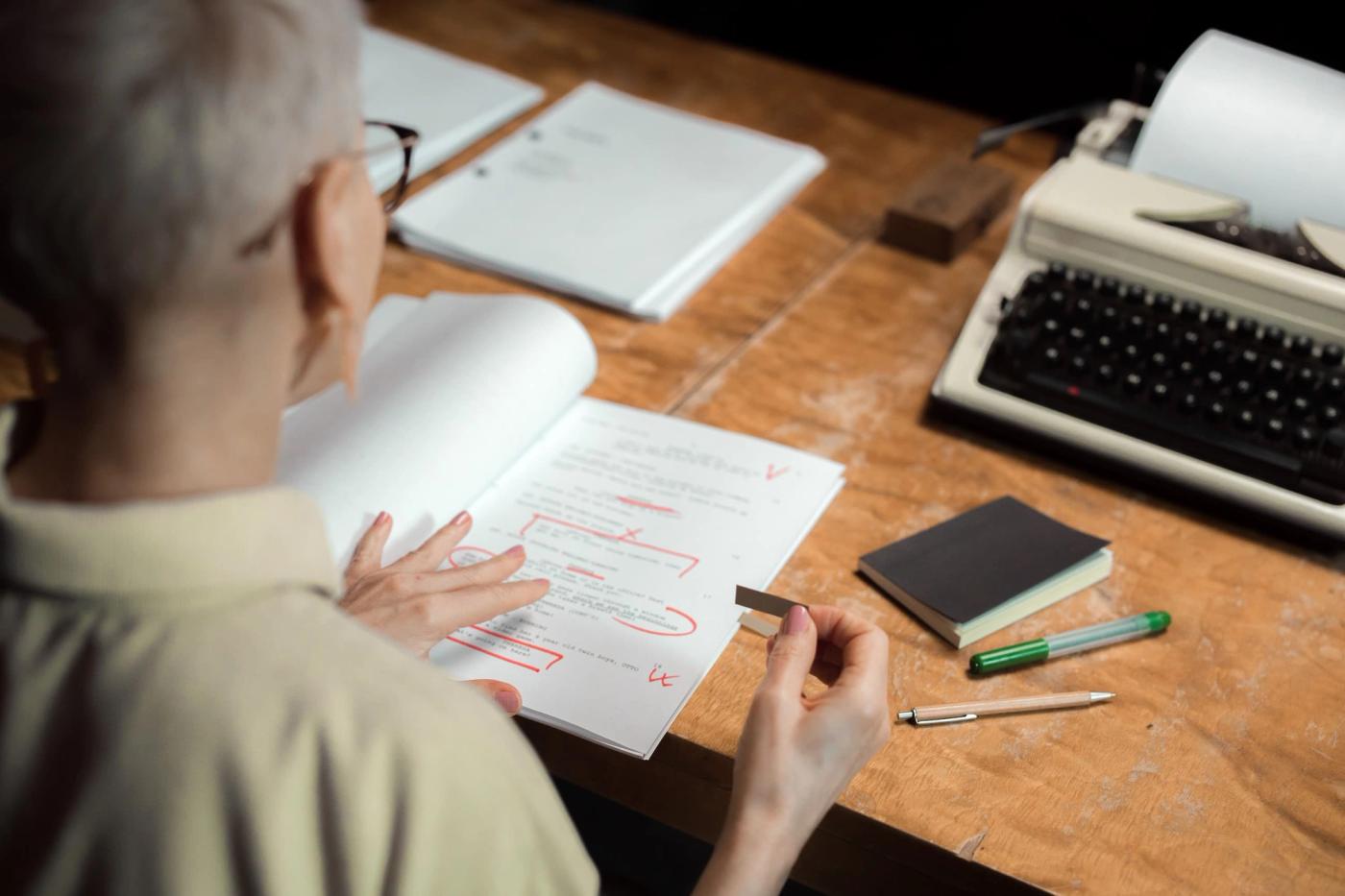
Most people stop reading movie reviews after the first few lines. They hit a wall of plot summary, vague praise, or an avalanche of references that only film students understand. You don't need to be a professional critic to avoid that trap. You just need to know how to help another person decide whether a movie deserves two hours of their life.
1. Decide Who You're Writing For
Before you type a single sentence, picture one person reading your review. Maybe it's a friend who loves horror movies but hates jump scares. Maybe it's someone who only goes to the cinema a few times a year and wants to make those trips count.
Your review becomes much easier to write when you know who you're helping. Use language that person would understand. Explain things simply instead of trying to sound clever. If you're writing to impress everyone, you'll usually connect with no one.
2. Start With Your Reaction, Not the Plot
Readers want to know how the movie made you feel before they want a scene-by-scene recap. Lead with your strongest impression. Did the film surprise you? Frustrate you? Leave you thinking about it the next morning?
Give readers a reason to care immediately. Instead of writing, "The movie follows a detective investigating a case," try something more useful: "I couldn't decide whether I admired this movie's ambition or wanted to yell at the screen." You create curiosity without spoiling anything important.
Because readers can find the plot summary anywhere, your perspective is what makes your review worth reading.
3. Focus on Three Specific Things the Movie Did Well or Poorly
New reviewers often try to comment on everything. That usually turns into a list of half-formed observations. Pick three areas that stood out and explore them with examples.
You might discuss the performances, pacing, dialogue, visual style, soundtrack, emotional impact, or ending. Explain why each choice worked or didn't work for you. Replace "the acting was good" with something concrete like, "The lead actor sold even the quieter scenes, especially during moments where another performer might have gone over the top."
Specific details help readers trust your judgment because they can picture what you're describing.
Pro Tip: Keep a note open while you watch the movie and jot down quick reactions. Write down the scene that made you laugh, the line you couldn't stop thinking about, or the moment your attention drifted. Those details are gold when you sit down to write later.
4. Avoid Spoilers Like They're Radioactive
You don't need to reveal major twists to explain why a movie works. Focus on setup rather than payoff. Talk about themes, performances, and atmosphere without exposing key moments.
If you absolutely need to mention a spoiler, give readers a clear warning and separate that discussion from the main review. Most people reading your review are trying to decide whether to watch the movie themselves. Respecting that experience builds trust.
And trust is what brings readers back.
5. Write Like You're Talking to a Friend
Nobody enjoys reading a review that sounds like it was written to pass an exam. Use contractions. Ask yourself whether you'd actually say each sentence out loud during a conversation.
Short sentences can sharpen a point. Longer ones can unpack a complicated reaction. Mix them together to create rhythm. If a sentence sounds stiff or overly formal, rewrite it until it sounds human.
You don't need a massive vocabulary to sound insightful. You need clarity.
6. Take a Clear Position
Readers finish reviews wanting an answer to one question: should they watch this movie?
You don't have to declare that a film is perfect or terrible. But you should make your opinion obvious. If you loved the performances but thought the ending fell apart, say that directly.
Avoid hiding behind vague phrases like "fans may enjoy it." Tell readers who would appreciate the movie and who probably won't. A clear recommendation feels more helpful than cautious fence-sitting.
7. Edit With Fresh Eyes
Once you've finished your draft, step away for a few minutes before reading it again. Cut repeated points. Remove sentences that don't add value. Tighten long explanations that wander away from your main opinion.
Read the review aloud if you can. You'll hear awkward phrasing and clunky transitions much faster than you'll spot them on a screen. If you stumble over a sentence, your readers probably will too.
Aim for a review that feels focused, not exhaustive. You're offering guidance, not documenting every frame of the movie.
Common Mistake to Avoid
The biggest mistake beginners make is confusing summary with review. Retelling the plot isn't the same as helping someone decide whether a film is worth watching. Readers can get the basic story from a streaming app description in seconds. What they can't get anywhere else is your honest reaction, backed by clear examples and practical insight.
Now you're ready to write movie reviews that sound like you and actually help people make a decision. The more reviews you write, the easier it becomes to trust your instincts and develop a voice readers want to come back to.

Devon Walker
Author at SofaBreak — writing on guides and everyday curiosities.