The Best Fantasy Book Series to Read After Game of Thrones
George R.R. Martin left fantasy fans with a very specific problem.

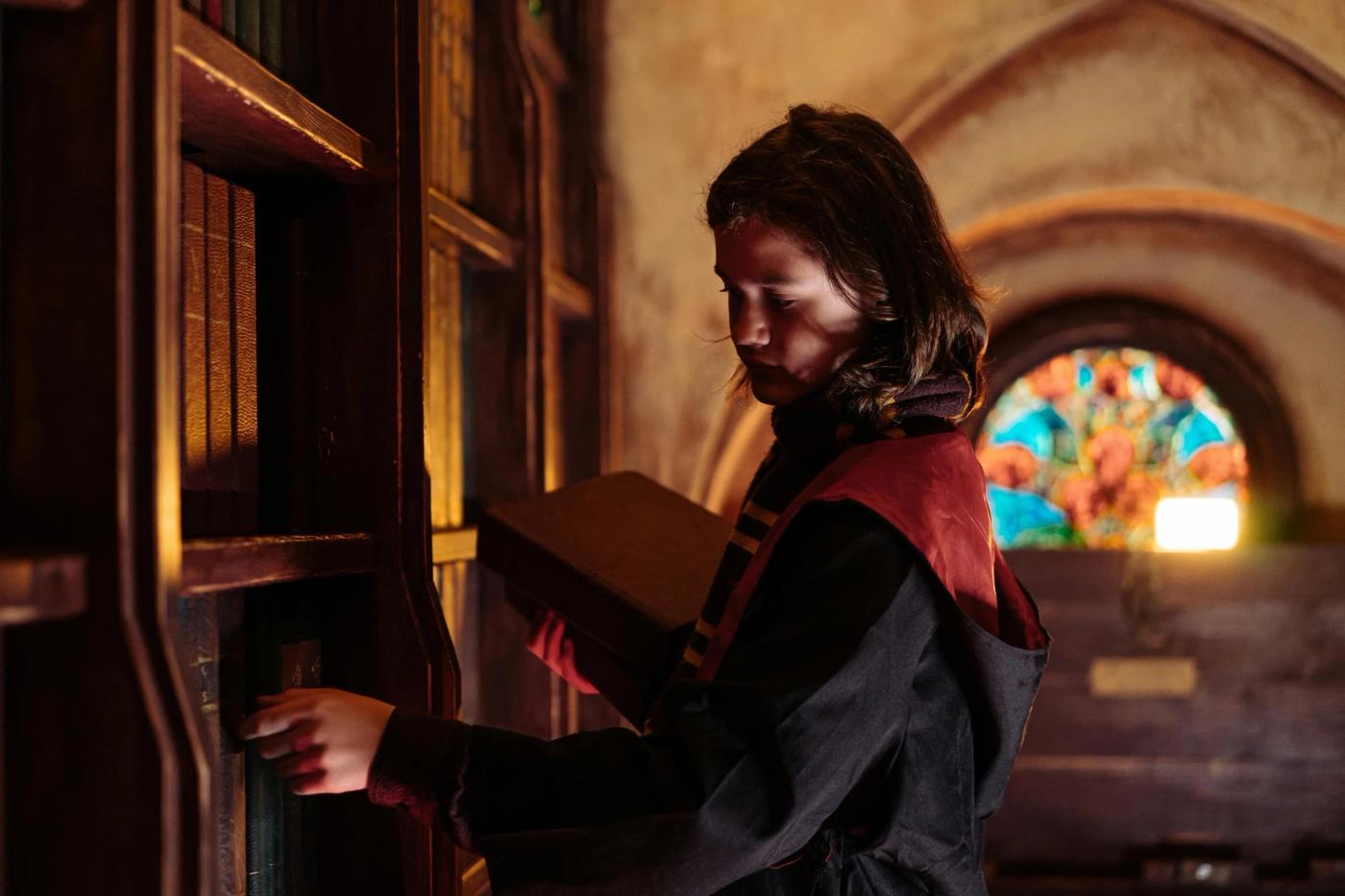
George R.R. Martin left fantasy fans with a very specific problem. Once you’ve spent years with morally compromised rulers, sudden deaths, and kingdoms collapsing under their own greed, a lot of fantasy starts to feel thin. The good news is that the genre caught up while everyone was waiting for The Winds of Winter.
Fantasy publishing has changed a lot since HBO’s Game of Thrones ended in 2019. Writers are building stranger worlds, taking bigger risks with politics and violence, and dropping the clean good-versus-evil setup that dominated fantasy for decades. If you want that same mix of scale, betrayal, and “just one more chapter” momentum, these are the series worth your time.
The Series That Understand Why Game of Thrones Worked
A lot of fantasy recommendations miss the point. People don’t love Game of Thrones because it has dragons. They love it because actions have consequences, nobody feels safe, and power changes people in ugly ways.
That’s why The First Law by Joe Abercrombie lands so well for former Westeros addicts. The first book, The Blade Itself (2006), throws you into a filthy, cynical world where heroes are mostly failed people trying to survive their own reputations. Abercrombie writes battle scenes like somebody reporting from the front line, and his characters are funny in a deeply unhealthy way.
Then there’s The Stormlight Archive. Yes, it’s massive. Yes, every book could double as a doorstop. But Sanderson understands payoff better than almost anyone writing fantasy right now. The Way of Kings came out in 2010, and the series has sold millions of copies because readers keep chasing those huge emotional reversals and carefully planted reveals.
If you want the political angle specifically, The Dandelion Dynasty deserves more attention than it gets. Liu mixes palace intrigue with engineering, warfare, and competing ideologies in a way that feels closer to historical fiction than traditional fantasy. The first novel, The Grace of Kings (2015), won the Locus Award for Best First Novel, and you can feel why within the first hundred pages.
Fantasy Got Weirder, and That’s a Good Thing
Back when Game of Thrones first aired in 2011, mainstream fantasy still leaned heavily on Tolkien templates. Kings. Swords. Dark lords. Farm boys with destiny problems.
Now? Fantasy writers are getting far stranger.
The Broken Earth feels like the clearest example. Jemisin’s trilogy began with The Fifth Season in 2015 and went on to do something almost absurd: every book in the trilogy won the Hugo Award for Best Novel. That had never happened before. The setting is a continent constantly destroyed by natural disasters, where people capable of controlling seismic activity are feared and enslaved.
But the real hook is the anger running through the books. Jemisin writes about oppression, survival, and inherited trauma without turning the story into homework. You feel the pressure on every page.
Then there’s The Green Bone Saga, which answers a question fantasy didn’t know it needed: what if magical warriors operated like organized crime families in a modern Asian-inspired city? The first novel, Jade City (2017), mixes clan warfare, family loyalty, and street-level brutality with the pacing of a gangster film. HBO reportedly began developing an adaptation before the project stalled, which honestly makes sense because the whole series already reads like prestige television.
And if you’re tired of medieval Europe entirely, The Poppy War goes somewhere much darker. Kuang pulls heavily from 20th-century Chinese history, especially the Second Sino-Japanese War, and the result is brutal even by fantasy standards. Some readers bounce off the violence. Others end up finishing the trilogy in a weekend.
The One Everybody Recommends Is Popular for a Reason
At some point, somebody will tell you to read The Wheel of Time. They are correct, even if the fanbase occasionally sounds like they’re recruiting for a very large religion.
The series started in 1990 and eventually stretched to 14 main books after Robert Jordan died in 2007. Brandon Sanderson completed the final volumes using Jordan’s notes, which could’ve gone terribly wrong but mostly didn’t.
You can see Game of Thrones reacting against The Wheel of Time in real time. Jordan loved prophecy, destiny, and giant mythic structures. Martin came along and asked what happens when politics crushes prophecy under a boot. Reading both gives you a weirdly complete picture of modern fantasy evolving over the last 30 years.
Amazon’s The Wheel of Time adaptation also pushed the books back onto bestseller lists after premiering in 2021, even though reactions to the show itself have been mixed. Fans argue about it online with the energy of people defending sports teams.
Why You Should Care Even If You’re Not a Fantasy Person
Fantasy stopped being niche a while ago. HBO spent approximately $90 million producing the first season of House of the Dragon in 2022, and studios keep chasing the next adaptation because audiences clearly want long-form fictional worlds they can disappear into.
But books still do this better than television. You get more room for political detail, stranger ideas, and characters who don’t need to fit into a streaming algorithm’s idea of “likable.” And honestly, fantasy is one of the few genres still willing to take big narrative swings without apologizing for them.
You don’t need to memorize maps or learn fictional languages to enjoy these series. You just need one strong opening chapter and enough free time to accidentally stay awake until 2 a.m.
What to Read, Watch, or Play Next
If you finish these and still want more, start with Mistborn for a faster, more accessible entry into Sanderson’s work. The original trilogy has one of the best endings in fantasy, full stop.
On TV, Shōgun scratches a lot of the same political intrigue itch as Game of Thrones, just without dragons. It became FX’s most-watched series premiere in 2024 for good reason.
And if you’d rather play your fantasy worlds than read them, The Witcher 3: Wild Hunt still holds up remarkably well a decade later. Moral compromises, monster contracts, collapsing kingdoms. Sounds familiar.

Clara Rhodes
Author at SofaBreak — writing on media news and everyday curiosities.