Why 90s Nostalgia Is Reshaping Pop Culture in Ways Nobody Predicted
Nobody expected the 1990s to become the decade that keeps setting the agenda for modern entertainment

Nobody expected the 1990s to become the decade that keeps setting the agenda for modern entertainment. Yet from movie reboots and retro game collections to baggy fashion and vinyl soundtracks, the era has become less of a memory and more of a blueprint for what gets made today.
That matters because nostalgia is no longer a side dish. It's influencing what studios finance, what streamers promote, and even what younger audiences discover for the first time.
The 90s Keep Winning the Culture War
If you've felt like the 1990s never really ended, you're not imagining it. Hollywood keeps returning to familiar names because they're easier to introduce to audiences who grew up with them and easier to market to viewers discovering them through streaming.
Take Scream. The original arrived in 1996 and reinvented the slasher genre with a sharp, self-aware script. Nearly three decades later, the franchise is still producing successful sequels. Or look at The Matrix, first released in 1999, which remains one of the most referenced science fiction films whenever filmmakers discuss action choreography or virtual worlds.
The numbers tell the same story. Disney's The Lion King remake earned approximately $1.6 billion worldwide after its 2019 release. While technically a remake of a 1994 animated classic, its success showed just how much emotional value studios see in audiences reconnecting with stories they already love.
But this isn't just about familiar logos. People who grew up during the 90s are now in their late 30s and 40s, often with more spending power than they had before. Entertainment companies know exactly who they're selling to.
A different generation is joining the conversation too.
Gen Z Didn't Live It, But They're Buying In
One of the biggest surprises is how many younger fans have embraced entertainment that predates them.
Shows like Friends continue to dominate streaming conversations despite ending in 2004. Teenagers wear vintage-style denim, collect disposable cameras, and hunt for original Pokémon cards that debuted in the late 1990s. None of those trends depend on firsthand nostalgia. They're driven by discovery.
Social media deserves plenty of credit. A single viral TikTok can introduce millions of viewers to an old sitcom, soundtrack, or video game in a weekend. Suddenly, something that felt dated becomes fashionable again because it's new to someone else.
There's another reason this works. Compared with today's endless stream of content, older films and shows often feel complete. You can finish a season over a weekend, watch a two-hour movie, and move on without needing to keep up with an expanding cinematic universe.
Why Familiar Stories Feel Comforting Right Now
Entertainment has always reflected the mood of its audience. During uncertain periods, familiar stories often become more appealing because they offer something reliable.
That doesn't mean every reboot succeeds. Plenty have disappeared without making much impact. The projects that connect usually understand why people loved the originals instead of copying them scene for scene.
Top Gun: Maverick is a perfect example. Released in 2022, it respected the 1986 original while giving new audiences a reason to care. The film earned approximately $1.5 billion worldwide and received a 96% critics' score on Rotten Tomatoes. Those aren't nostalgia numbers alone. They're evidence that audiences still reward quality, even when the source material is decades old.
You've probably heard people complain that Hollywood has run out of ideas. There's some truth in that criticism. But the bigger story is that audiences keep rewarding familiar brands when they're handled with care.
Nostalgia Is Changing More Than Movies
The ripple effect reaches almost every corner of entertainment.
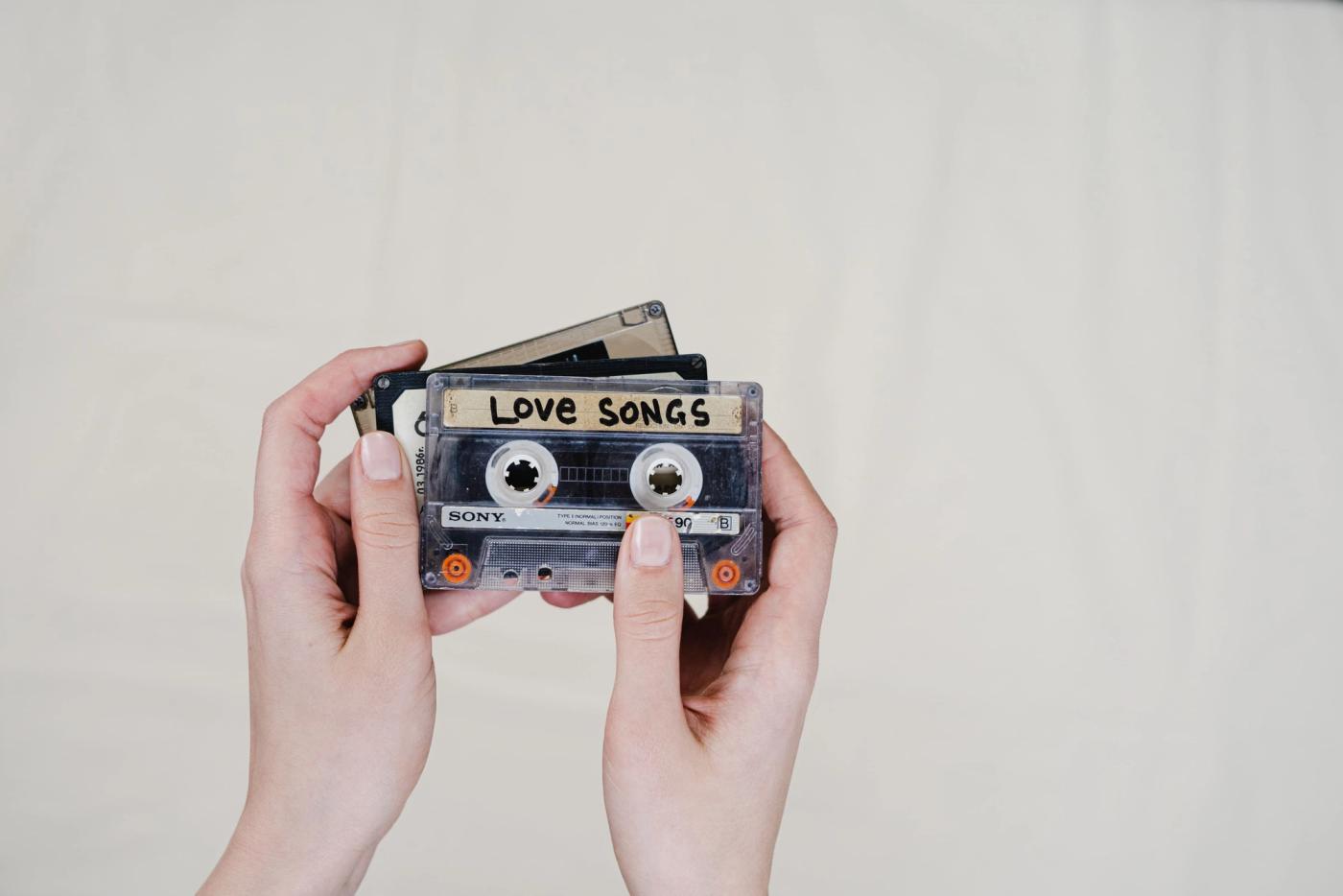
Video games regularly revisit older franchises through remasters and collections. Physical media has staged an unexpected comeback as vinyl records continue to grow in popularity. Fashion brands recycle oversized jackets, chunky trainers, and colourful sportswear that would have looked perfectly at home in 1997.
Music has joined in as well. Artists sample 90s hits, borrow production styles from the era, and collaborate with performers who first found success decades ago. The result doesn't feel like a museum exhibit. It feels like old ideas mixing naturally with new ones.
That's probably why the trend has lasted longer than many expected. Nostalgia isn't freezing pop culture in place. It's giving creators a shared language that audiences of different ages already understand.
Why You Should Care
Even if you don't spend your weekends debating movie franchises or tracking streaming charts, this trend affects what lands on your watchlist. The shows, films, games, and music getting the biggest marketing budgets increasingly come from ideas that started in the 1990s.
That also makes it a great time to revisit the originals. You'll often find they're more inventive, stranger, and funnier than the polished versions that followed. Sometimes the classic really is worth your time.
What to Watch, Read, or Play Next
If this renewed love for the 90s has you curious, start with Scream (1996) to see why modern horror still borrows from it. Follow that with The Matrix (1999), which continues to influence science fiction and action cinema in ways that are easy to spot once you know what you're looking for. Finally, fire up Crash Bandicoot N. Sane Trilogy, a modern remake that captures the spirit of one of the decade's defining platformers without feeling trapped in the past.
The funny part is that nostalgia was once treated as a temporary trend. Now it's become part of pop culture's operating system. The 1990s aren't making a comeback anymore. They've quietly become one of the biggest creative influences of the present.

Craig Anderson
Author at SofaBreak — writing on media news and everyday curiosities.