The Best Martial Arts Films Ever Made, Ranked
Martial arts movies have spent decades proving that a great fight scene can tell you as much about a character as a page of dialogue.

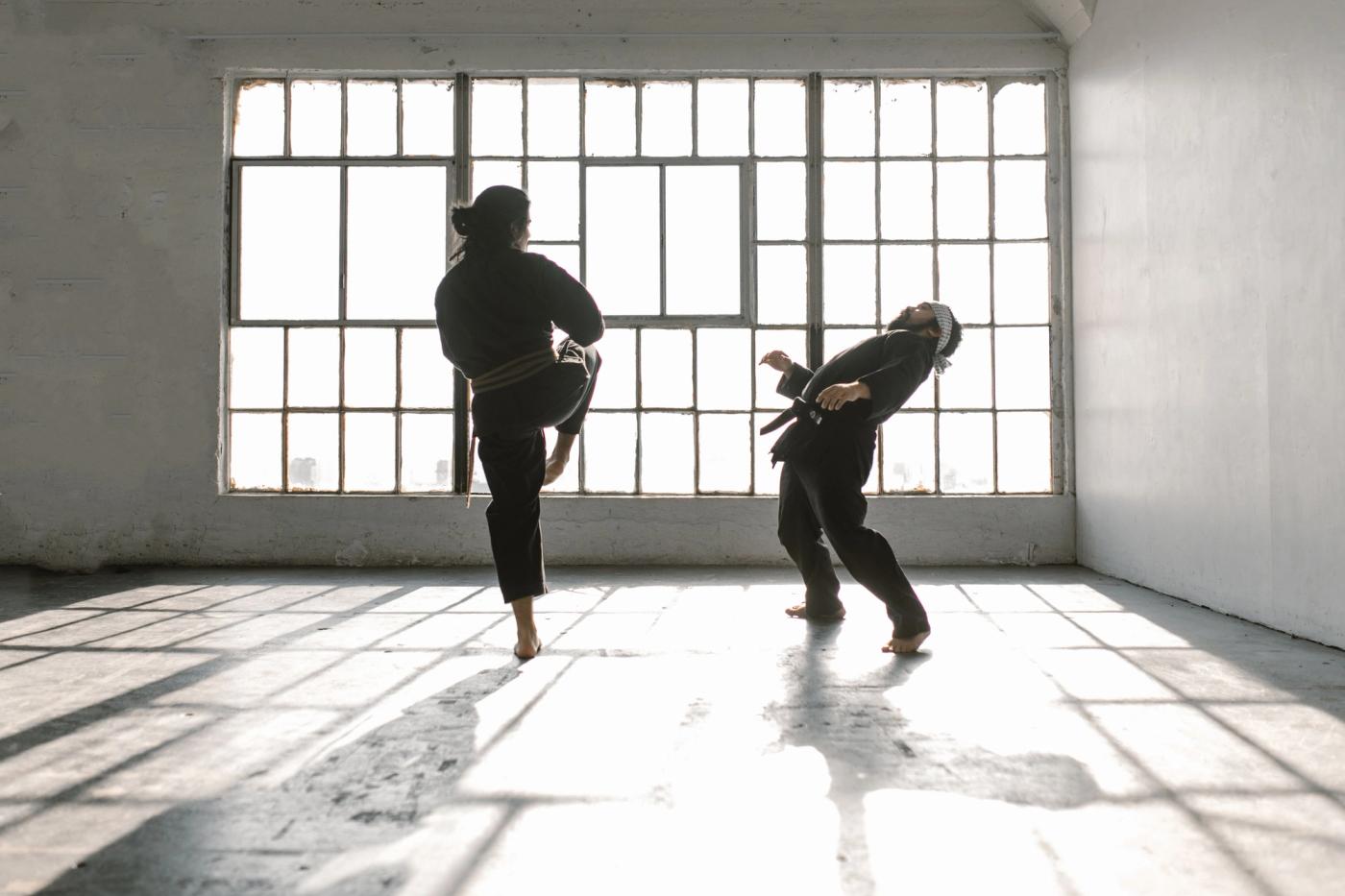
Martial arts movies have spent decades proving that a great fight scene can tell you as much about a character as a page of dialogue. From Bruce Lee’s controlled fury to Jackie Chan turning ladders, chairs and walls into weapons, the best films in the genre still look thrilling years after their imitators have faded.
Ranking them means judging more than who throws the fastest kick. Choreography matters, but so do characters, filmmaking, influence and one crucial test: would you happily watch the whole thing again tonight?
10. Police Story (1985)
Jackie Chan had already become a star by 1985, but Police Story captures exactly why nobody else could quite do what he did. Chan plays Hong Kong detective Chan Ka-Kui, and the plot mostly exists to keep placing him near objects he probably shouldn’t climb, jump through or fall from.
The shopping-mall finale remains outrageous. Chan slides down a pole covered in electric lights before crashing through a glass structure, part of a sequence built around real stunt work rather than digital cleanup.
Other martial arts movies have cleaner fights. Few make physical danger this entertaining.
9. The Raid (2011)
The setup is brutally efficient: an Indonesian police squad enters an apartment tower controlled by a drug lord, gets trapped inside, and has to fight its way out.
Director Gareth Evans and star Iko Uwais turn that simple premise into roughly 100 minutes of escalating pressure. The Indonesian martial art pencak silat gives the fights a vicious rhythm, with elbows, knees and whatever happens to be lying around entering the equation.
The Raid also understands something important about action filmmaking. You need to see what’s happening. The camera moves, but the choreography stays readable, which makes every hit feel heavier.
8. Crouching Tiger, Hidden Dragon (2000)
Ang Lee took wuxia cinema to an enormous international audience without sanding off what made it distinctive. Crouching Tiger, Hidden Dragon earned approximately $214 million worldwide and won four Academy Awards, including Best Foreign Language Film.
But numbers don’t explain the rooftop chases or the famous bamboo-forest duel. Those scenes feel closer to dance than conventional screen combat, with fighters floating across spaces that ordinary action heroes would struggle to climb.
And underneath all that movement sits a story about repression, love and choices you can’t take back. That emotional weight is why the film still works when the swords are sheathed.
7. Once Upon a Time in China (1991)
Jet Li’s Wong Fei-hung is controlled, principled and almost absurdly capable. That combination could make him dull. Instead, Li gives the character enough restraint that the moments when he finally fights feel earned.
Tsui Hark’s film also arrived during a major resurgence in Hong Kong martial arts cinema. Its action mixes wire work, traditional kung fu and elaborate environments, culminating in a ladder fight that turns basic hardware into a constantly shifting battlefield.
You can see its fingerprints across decades of action cinema that followed.
6. Ip Man (2008)
Donnie Yen had been delivering great screen fights for years before Ip Man, but this is the role that made him synonymous with calm, economical violence.
The film fictionalises parts of Wing Chun master Ip Man’s life, placing much of the story around the Japanese occupation of Foshan. Historical liberties are substantial, so you shouldn’t treat it as a biography.
As drama, though, it’s extremely effective. Yen’s rapid Wing Chun combinations look different from the broad movements audiences often associate with kung fu movies. His fight against multiple karate practitioners is the scene everybody remembers, but his quiet performance is what holds the film together.
5. Enter the Dragon (1973)
Bruce Lee died in July 1973, only weeks before Enter the Dragon reached American cinemas. That timing turned the film into part of his legend, but its ranking here isn’t based on tragedy.
Lee simply owns the screen.
His speed, posture and charisma made martial arts feel dangerous rather than decorative, while the international production gave audiences outside Hong Kong an accessible entry point into the genre. The hall-of-mirrors climax has been copied and parodied endlessly since.
Some parts have dated. Lee hasn’t.
4. Hero (2002)
Zhang Yimou treats colour like another weapon.
Jet Li stars as the nameless warrior recounting how he defeated three assassins, but each version of the story changes visually as the truth shifts. Red, blue, white and green aren’t decoration. They help tell you whose version you’re watching and what that version wants you to believe.
The fight between Li and Donnie Yen is almost restrained compared with later sequences. Then the film expands into lakes, armies and showers of arrows without losing its precision.
If you think martial arts cinema is mostly about punching people beautifully, Hero has a persuasive counterargument.
3. Drunken Master II (1994)
Jackie Chan’s best movies make fighting look like problem-solving under extreme pressure, and Drunken Master II, released internationally as The Legend of Drunken Master, might be the purest example.
Chan plays Wong Fei-hung using drunken boxing, stumbling and swaying before snapping into attacks. The comic premise never makes the action feel lightweight because the choreography is astonishingly controlled.
Then comes the final factory fight against Ken Lo. Speed, flexibility, comedy and genuine physical risk all pile together, including Chan being knocked onto burning coals.
Don’t try that one at home.
2. Seven Samurai (1954)
Yes, Akira Kurosawa’s Seven Samurai belongs here.
Its warriors carry swords rather than trading flying kicks, but the film’s DNA runs through martial arts and action cinema. Seven ronin agree to defend a farming village from bandits, and Kurosawa spends more than three hours making you understand the fighters, villagers and geography before the final battle erupts in mud and rain.
The basic structure became so influential that The Magnificent Seven rebuilt it as a Western just six years later.
Plenty of action movies copied the team. Far fewer copied the patience.
1. The 36th Chamber of Shaolin (1978)
If you want one film that explains why classic kung fu cinema became addictive, start here.
Gordon Liu plays San Te, a young man who enters the Shaolin Temple and progresses through chambers designed to train specific skills. Arms. Balance. Eyes. Strength. Every stage turns practice into entertainment, so improvement itself becomes the action.
That structure influenced everything from later training montages to hip-hop culture, most famously the Wu-Tang Clan’s obsession with Shaw Brothers cinema.
And the film understands the fantasy at the heart of martial arts stories better than almost anyone: you watch someone who can’t fight become someone who can. Every bruise has a purpose.
Why You Should Care
You don’t need to know Wing Chun from wuxia to enjoy these movies. Start with The Raid if you want relentless modern action, Police Story if you want comedy and stunts, or Crouching Tiger, Hidden Dragon if you want something more romantic and visually graceful.
But if you’ve only seen martial arts through Hollywood franchises, going backward through this list is revealing. A lot of supposedly modern action filmmaking has roots that stretch straight into Hong Kong studios, Japanese samurai cinema and the Shaw Brothers era.
What to Watch Next
Start with The Raid 2 (2014), which takes the first film’s stripped-down violence and drops it into a much bigger crime story. Then try Fist of Legend (1994) for Jet Li at his sharpest, with choreography that still feels fast and physical.
And if The 36th Chamber of Shaolin wins you over, watch Five Deadly Venoms (1978). By then, you won’t need convincing that old-school kung fu deserves more than a nostalgic glance. You’ll probably just need a longer watchlist.

Devon Walker
Author at SofaBreak — writing on media news and everyday curiosities.