The Underground Podcast Scene That Is Blowing Up in 2026
The underground podcast scene stopped being small a while ago. What's changed in 2026 is that it's stopped acting small too

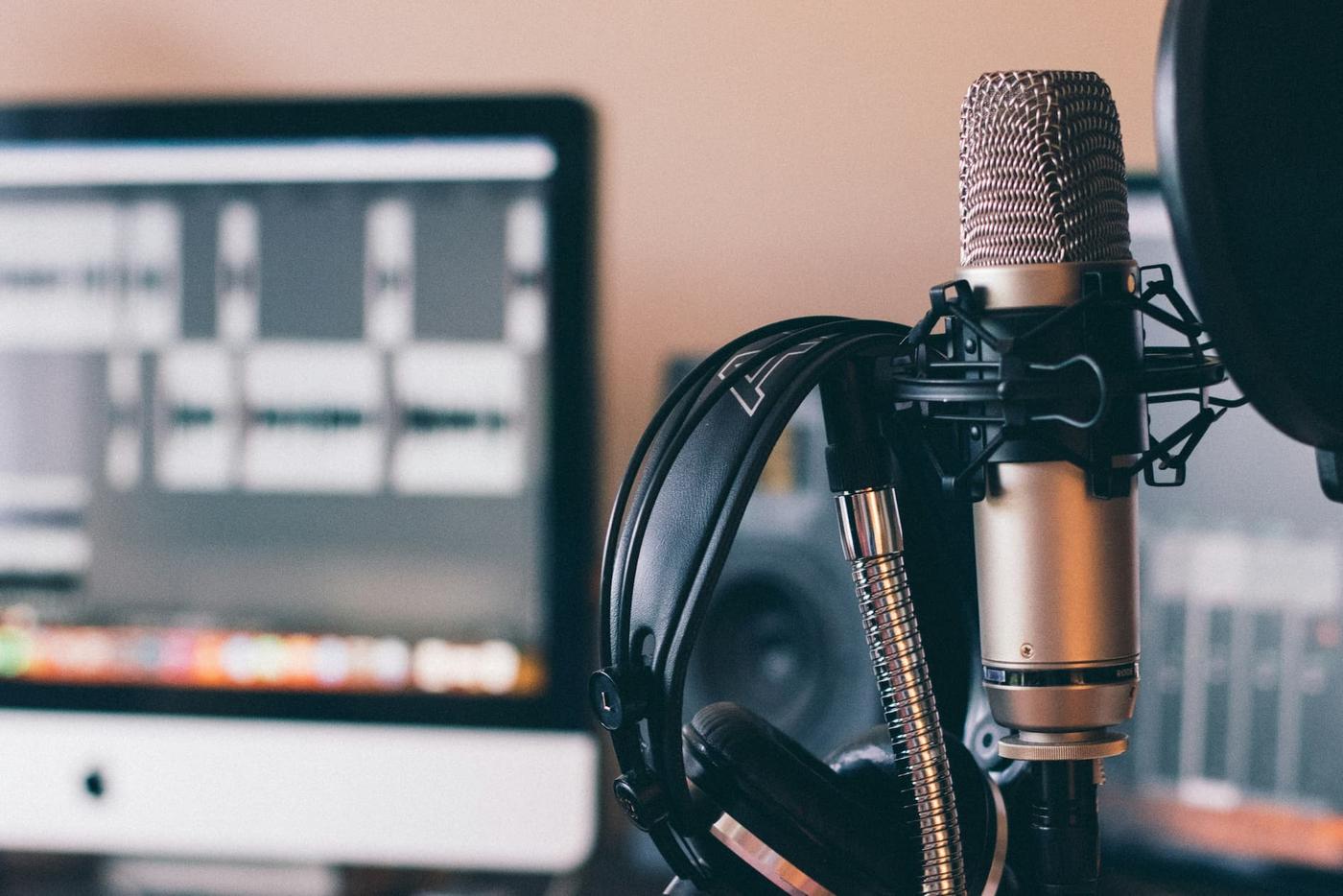
The underground podcast scene stopped being small a while ago. What's changed in 2026 is that it's stopped acting small too. Independent creators are packing out live shows, turning niche Discord communities into businesses, and building audiences that traditional media companies spent years trying to manufacture.
And if you've spent the last few years assuming podcasts peaked sometime around celebrity interview circuits and true crime overload, you've missed the interesting part.
The Big Shift Happened Outside the Charts
Open most podcast charts and you'll still see familiar names. Big networks, celebrity hosts, legacy shows. But charts stopped telling the full story because discovery moved somewhere else.
A growing chunk of podcast growth now happens through clipped video. A strange ten-minute conversation gets posted to short-form feeds, spreads through group chats, lands on your algorithm, and suddenly a show you've never heard of has 40,000 new listeners. Podcasts aren't being discovered as podcasts anymore. They're being discovered as moments.
You can see it in live events too. Smaller creators who couldn't sell tickets five years ago are now filling mid-sized venues. Some independent shows are selling memberships before sponsors even appear.
And because production tools got cheaper after the early 2020s AI audio boom, launching a good-sounding show in 2026 costs dramatically less than it did in 2019.
Micro-Niches Are Winning, And They're Weird
The old podcast model chased broad audiences. The newer model chases people who care too much about one specific thing.
Shows dedicated entirely to obscure horror games. Podcasts about niche internet history. Hyper-local city culture shows. Deep-dive movie podcasts that spend three hours discussing one scene.
That sounds limiting until you realize the economics changed.
You don't necessarily need millions of listeners anymore. You need enough listeners who actually care.
Look at the explosion of independent video podcast networks since approximately 2023 and 2024. Many built audiences by serving communities that bigger media companies ignored because the numbers looked too small.
But small audiences stacked together stop looking small.
Why Video Accidentally Changed Everything
The strange part is that many of the fastest-growing podcasts barely behave like radio anymore.
Video podcasts existed before, obviously. But once creators started treating camera setups, editing styles, and visual identity as seriously as audio quality, the format shifted.
According to approximately 2025 industry estimates, video consumption accounted for a large percentage of podcast discovery across younger audiences, particularly viewers in their twenties. Some creators now design conversations around clips first and full episodes second.
You can argue that's ruining podcasts.
You can also argue listeners never cared about the distinction.
Because if a 90-second clip pulls you into a two-hour episode, the system worked.
Fans Want Communities, Not Just Episodes
The biggest difference between today's underground podcast scene and earlier podcast booms isn't audio quality.
It's proximity.
Independent podcasts increasingly operate like small fandom ecosystems. You listen to episodes, join subscriber chats, watch live streams, buy merch, attend meetups, and argue with strangers about episode rankings.
Some creators are building businesses from audiences that look tiny on paper.
Consider this: approximately 10,000 paying supporters at $5 monthly produces very different economics from chasing mass-market advertising. That's one reason subscription communities have become central rather than optional.
And because listeners spend serious time with hosts, often several hours per week, loyalty behaves differently here than it does for television or social feeds.
That relationship is hard to copy.
Why You Should Care
You don't need to become the person with six podcast apps and a spreadsheet of episode queues.
But if you want to know where internet culture is moving before it becomes obvious, this space matters. Podcasts increasingly shape what people watch, buy, meme, argue about, and turn into larger entertainment franchises.
Also, finding a podcast before everyone else discovers it is still one of the few corners of entertainment where recommendations feel personal.
What to Watch, Read, or Play Next
If this corner of entertainment interests you, start adjacent rather than diving straight into 300-episode back catalogs.
Watch: Hot Ones (2015), because it accidentally predicted how conversation-driven internet entertainment would evolve.
Watch: Searching (2018), which remains one of the clearest examples of internet-native storytelling crossing into mainstream entertainment.
Read: The Chaos Machine (2022) by Max Fisher, particularly if you want context for why algorithms keep pushing increasingly specific communities into your feed.
The funny part? The underground podcast scene keeps getting larger while insisting it's still underground. That's probably how you know it's working.

Mia Carter
Author at SofaBreak — writing on media news and everyday curiosities.