Why 2000s Nostalgia Is Now Bigger Than 90s Nostalgia
The 1990s had a long run as pop culture’s favorite decade to recycle. But the nostalgia clock has moved forward, and the 2000s now have the stronger grip on fashion, music, movies, games and the internet itself.


The 1990s had a long run as pop culture’s favorite decade to recycle. But the nostalgia clock has moved forward, and the 2000s now have the stronger grip on fashion, music, movies, games and the internet itself.
That shift makes sense. The people who grew up with Mean Girls, the Nintendo DS and low-rise jeans are now old enough to miss them, while younger fans are discovering the era without remembering its dial-up speeds, scratched DVDs and terrible phone cameras.
The Nostalgia Clock Has Finally Hit Y2K
Nostalgia tends to work on a delay. A generation grows up, gets jobs and disposable income, then suddenly the stuff that once looked embarrassingly outdated starts feeling comforting again.
For millennials, the 1990s supplied that feeling for years. Friends reruns, Pokémon cards, Tamagotchis, Jurassic Park and endless Disney remakes kept the decade commercially useful long after it ended.
But someone who was 12 when Mean Girls arrived in 2004 is 34 in 2026. Someone who got a Nintendo DS for Christmas after its 2004 launch is probably paying a mortgage now. The 2000s aren’t recent history anymore, even if accepting that fact feels mildly offensive.
And Gen Z has helped push the revival further. Plenty of younger fans are encountering Y2K aesthetics secondhand, which means they can pick the fun parts without remembering what using the actual technology was like. A translucent iMac looks wonderfully retro when you don’t have to wait for it to load anything.
The 2000s Left More Stuff to Rediscover
The 90s produced enormous cultural touchstones, but the 2000s arrived at an unusually useful moment for nostalgia: old media and new internet culture existed at the same time.
You bought DVDs, CDs and physical video games, but you also had MSN Messenger, MySpace, early YouTube and increasingly chaotic online fandoms. The first YouTube video was uploaded in 2005. Facebook launched in 2004. The original iPhone followed in 2007.
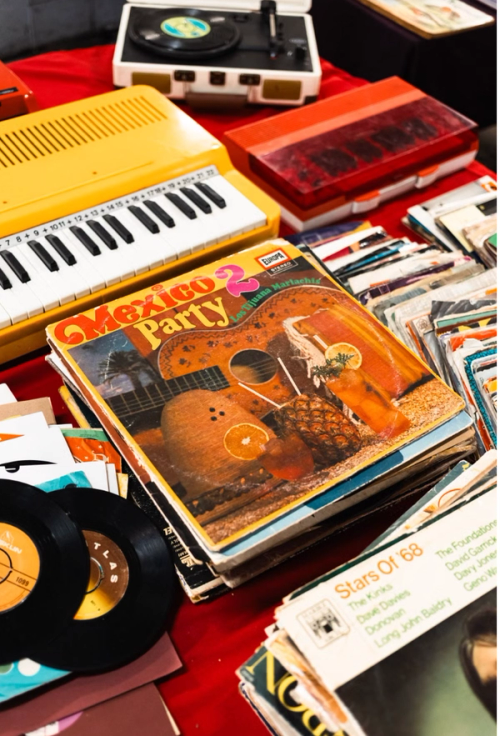
That gives 2000s nostalgia an unusually deep archive. You can rewatch a movie from the decade, find its original trailer, dig up old celebrity interviews, revisit a forgotten Flash-game aesthetic and then watch someone on TikTok recreate a 2003 bedroom.
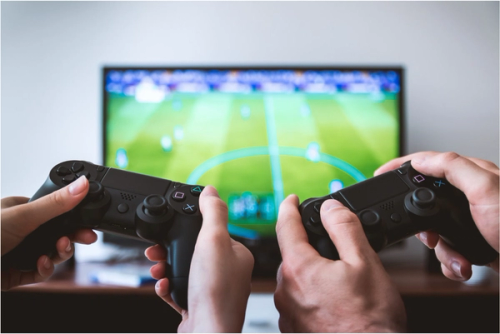
Gaming makes the difference even clearer. The PlayStation 2 launched in 2000 and eventually sold more than 155 million units, giving millions of players memories tied to games such as Grand Theft Auto: San Andreas, Kingdom Hearts and Shadow of the Colossus. Nintendo followed with the DS in 2004 and Wii in 2006, two machines practically designed to trigger memories of family rooms and school holidays.
The decade left fingerprints everywhere.
Y2K Style Is Easier to Remix Than 90s Style
The 90s revival eventually became so familiar that its greatest hits stopped feeling especially retro. Mom jeans, chunky sneakers, tiny sunglasses and oversized denim moved from throwback references into normal wardrobes.
The 2000s offer stranger material.
Think metallic handbags, trucker hats, baby tees, rhinestones, velour tracksuits, wired headphones, flip phones and aggressively shiny electronics. Some of it looked ridiculous then. Some of it still does. That’s part of the appeal.
The era also had a visual identity strong enough to recognize instantly. Early websites loved glossy buttons and gradients. Consumer technology came in actual colors. Pop stars wore outfits that would now generate a week of memes before they’d finished walking the red carpet.
And unlike a historically faithful revival, modern Y2K style gets edited. Nobody needs to rebuild 2002 exactly. You take the tiny shoulder bag, leave the painfully slow internet behind and call it a win.
Pop Culture Keeps Feeding the Revival
Nostalgia becomes much bigger when studios, artists and publishers have something to sell you.
Consider Mean Girls. The original arrived in 2004 and became one of the defining teen comedies of its era. Twenty years later, the 2024 musical film brought the property back to cinemas for an audience split between newcomers and people who could still quote the original.
Gaming has followed the same pattern. Publishers keep returning to franchises that flourished during the PS2, GameCube and original Xbox years because those names now carry emotional weight. Remasters and remakes can sell the memory of playing something as much as the game itself.
Music has an even easier route back. A song doesn’t need a theatrical rerelease. One viral clip can put an old track in front of millions of people who were toddlers, or weren’t born, when it first appeared.
That creates a feedback loop. Younger audiences discover something, older audiences remember loving it, and suddenly a 20-year-old song, movie or outfit feels current again.
Why You Should Care
Even if you’ve never owned a flip phone or spent an evening choosing your MySpace Top 8, the 2000s revival is shaping what you’re being offered now. Fashion trends, movie revivals, game remakes and music rediscoveries increasingly pull from a decade that entertainment companies once considered too recent to mine for nostalgia.
And there’s a useful upside. The 2000s were messy, colorful and caught halfway between physical and digital life. Revisiting them reminds you just how much changed in a remarkably short stretch of time.
What to Watch, Read or Play Next
Start with Mean Girls (2004), which remains a near-perfect snapshot of 2000s teen comedy before smartphones rewrote high-school social life. Then play Grand Theft Auto: San Andreas (2004), a defining PS2-era blockbuster whose radio stations alone could function as a time capsule.
For something that captures the decade from another angle, watch The Social Network (2010). Yes, it technically arrived just outside the 2000s. But few films better explain how the scrappy, awkward internet of that decade turned into the social web that followed.
The 90s aren’t disappearing. They’ve simply moved further down the nostalgia conveyor belt. Right now, the 2000s are at exactly the right distance: old enough to miss, recent enough to remember, and weird enough to be fun again.

James Roberts
Author at SofaBreak — writing on media news and everyday curiosities.