Why Classic Rock Vinyl Is Outselling New Music in 2026
Walk into an independent record shop in 2026 and you'll spot a strange pattern. Fresh releases from today's biggest stars still attract crowds

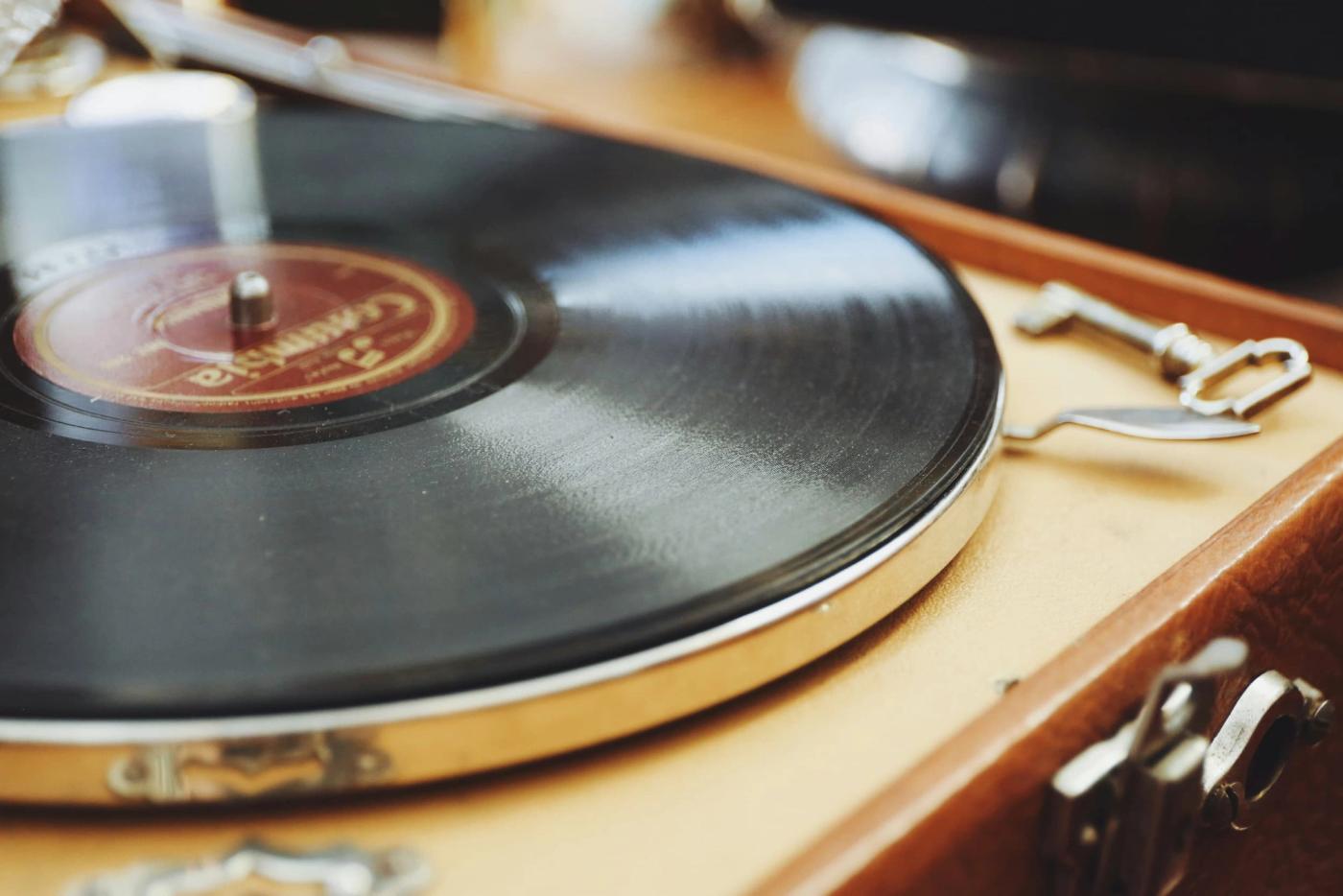
Walk into an independent record shop in 2026 and you'll spot a strange pattern. Fresh releases from today's biggest stars still attract crowds, but it's albums released 40 or 50 years ago that keep disappearing from the shelves. Classic rock isn't just surviving on vinyl, it's outperforming many brand-new releases in physical sales.
That matters because vinyl has become one of the few parts of the music business still growing. While streaming dominates everyday listening, more people are spending real money on albums from artists they could've streamed for free years ago. The question isn't why vinyl is popular anymore. It's why so many buyers keep reaching for Rumours instead of this week's new release.
Nostalgia Isn't the Whole Story
It's easy to dismiss the trend as nostalgia, but that doesn't explain who's buying these records. Plenty of vinyl shoppers are in their twenties and thirties, far too young to remember when albums by Led Zeppelin, Pink Floyd or Fleetwood Mac first hit store shelves.
Part of the appeal is simple: classic rock records feel like complete experiences. Albums such as Fleetwood Mac's Rumours (1977) or Pink Floyd's The Dark Side of the Moon (1973) were built to be heard from beginning to end. Putting one on a turntable encourages you to sit with it instead of skipping tracks after 30 seconds.
There's also the artwork. A vinyl sleeve turns an album cover into something worth displaying, whether it's Abbey Road, Hotel California or Back in Black. Streaming gives you convenience. Vinyl gives you something you can actually own.
The Numbers Tell the Story
The industry's latest figures show why record stores keep expanding their vinyl sections. In the United States, vinyl generated approximately $1.04 billion in revenue during 2025, the first time it crossed the billion-dollar mark since the early 1980s. It also marked the format's 19th consecutive year of growth, with around 46.8 million records sold.
New artists are absolutely contributing to those numbers. Taylor Swift's latest album dominated vinyl sales, proving that younger audiences are happy to buy physical music when the release feels collectible. But the bestseller charts also remain packed with decades-old albums. Records like Fleetwood Mac's Rumours and Michael Jackson's Thriller continue selling year after year, often sitting comfortably alongside the newest chart-toppers.
That consistency is something most new albums simply can't match. A blockbuster release might sell huge numbers for a few weeks before attention shifts elsewhere. Classic rock albums rarely disappear.
Why Classic Albums Keep Winning
Classic rock has another advantage that modern releases often don't: cultural permanence.
You've probably heard songs from Rumours or Led Zeppelin IV without even trying. They're in films, TV shows, sporting events and playlists. Every new appearance introduces another generation to music that already has decades of momentum behind it.
There's also the question of trust. Buying a vinyl record isn't cheap anymore, with many new pressings costing around $30 to $40. If you're only taking one album home, you're more likely to choose something with an established reputation than gamble on an artist you've only streamed once.
Record Store Day has reinforced that habit. Limited-edition reissues, coloured vinyl and anniversary editions regularly put classic albums back into the spotlight, giving longtime fans another reason to buy while introducing new listeners to records they may have missed the first time around.
Why You Should Care
Even if you don't own a turntable, this trend says something interesting about how people consume entertainment in 2026. Streaming gives you almost every song ever recorded, yet millions of listeners are still choosing a slower, more deliberate way to experience music.
There's also a reminder here that great albums don't have expiration dates. While social media moves at lightning speed, records released in the 1970s are still finding new audiences because the songs continue to connect. That's a rare kind of staying power.
What to Watch, Read or Play Next
If this vinyl revival has you curious, start with Almost Famous (2000), Cameron Crowe's love letter to classic rock culture that still captures the excitement of discovering music for the first time.
Then watch the documentary Sound City (2013), directed by Dave Grohl. It explores the famous California recording studio where albums by Fleetwood Mac, Tom Petty and Nirvana came to life, and explains why analogue recording still inspires musicians today.
Finally, if you've never listened to Fleetwood Mac's Rumours from start to finish, now's the time. Nearly 50 years after its release, it's still one of the clearest examples of why classic rock vinyl refuses to stay in the past.

Craig Anderson
Author at SofaBreak — writing on media news and everyday curiosities.